
Keep Flies Off Your Dog With These Tips
Quick answer
- Keep your dog clean and dry.
- Use a dog-specific fly repellent spray or wipe.
- Provide shade and shelter.
- Manage your campsite’s trash.
- Check your dog regularly for bites.
- Consider a fly mask for their face.
- Bring extra water for rinsing.
What to check first (do this before you drive out)
Before you even load the gear, give your dog and your camping plans a once-over. Flies are a nuisance, but they can also carry diseases. A little prep goes a long way.
- Land manager / legality: Know who’s in charge of the land you’re visiting. Is it US Forest Service, BLM, a state park, or private? Each has its own rules about pets, fire, and what you can bring. This is crucial for avoiding fines or getting kicked out.
- Access/road conditions: Are the roads to your campsite paved, gravel, or just a dirt track? Is your vehicle up for it? Low-clearance cars might get stuck on rougher terrain. Check recent conditions if possible, especially after rain.
- Fire restrictions + weather + wind: Flies love warmth and still air. But so do wildfires. Always check current fire restrictions before you go. Also, look at the forecast. High winds can actually help keep flies down, but they bring their own challenges.
- Water plan + waste plan (Leave No Trace): You need enough water for drinking, cooking, and cleaning. That includes rinsing your dog if they get particularly buggy. Pack out all trash, especially food scraps, to avoid attracting more pests.
- Safety (wildlife, distance to help, comms): What wildlife is common in the area? Know how to secure your food and dog. How far is the nearest town or ranger station? Cell service is spotty out there. Tell someone where you’re going and when you expect to be back.
Step-by-step (field workflow)
Here’s how to tackle the fly situation once you’re at the campsite.
1. Arrive and assess: Get to your spot. Take a look around. Are flies already a problem? What’s the immediate environment like – shady, sunny, near water?
- Good looks like: You have a clear picture of the fly situation and potential problem areas.
- Common mistake: Rushing in without noticing the fly density or potential breeding grounds nearby. Avoid this by taking a full minute to scan the area.
2. Set up shade: Find or create shade for your dog. A simple tarp, a natural tree canopy, or a dog tent works.
- Good looks like: Your dog has a cool, comfortable place to retreat.
- Common mistake: Assuming the car is a good place to leave them. Cars heat up fast and aren’t ideal for long periods. Always provide dedicated shade.
3. Apply repellent (dog-specific): Use a fly spray or wipe made for dogs. Focus on ears, belly, and legs, where flies often land.
- Good looks like: Even coat, no missed spots. Your dog seems comfortable.
- Common mistake: Using human repellent or not applying it thoroughly. This can be ineffective or even harmful. Always check the label for dog-safe ingredients.
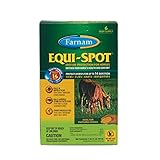
For effective protection, consider using a dog-specific fly repellent spray. Always ensure it’s formulated for dogs to avoid irritation.
4. Manage food and waste: Secure all food in bear-resistant containers or your vehicle. Double-bag trash and keep it sealed.
- Good looks like: No open food containers, trash bins are closed tight.
- Common mistake: Leaving food scraps out or not sealing trash bags. This is a fly magnet.
5. Keep dog clean and dry: Brush your dog regularly. If they get muddy or wet, dry them off. Damp fur attracts more insects.
- Good looks like: A clean, brushed coat.
- Common mistake: Letting your dog stay wet and dirty. It’s an open invitation for bugs.
6. Monitor water sources: If you’re near stagnant water, keep your dog away. Flies breed there.
- Good looks like: Your dog is drinking from a clean, fresh source or your brought water.
- Common mistake: Letting your dog drink from questionable puddles or ponds.
7. Regular checks: Throughout the day, check your dog’s ears, eyes, and any sensitive areas for fly activity or bites.
- Good looks like: You’re proactively spotting and addressing issues.
- Common mistake: Only checking once at the end of the day. Flies can cause irritation quickly.
8. Consider a fly mask: For seriously buggy areas or dogs with sensitive eyes, a lightweight fly mask can offer protection.
- Good looks like: Your dog tolerates it well and it stays in place.
- Common mistake: Forcing a mask on a dog that hates it, causing more stress than relief.
In seriously buggy areas or for dogs with sensitive eyes, a lightweight dog fly mask can offer excellent protection. Look for one that fits comfortably and stays in place.

9. Evening wind-down: As the sun sets, fly activity usually decreases. Enjoy the cooler, calmer air.
- Good looks like: A peaceful evening with fewer bugs.
- Common mistake: Assuming flies are gone completely. Some species are more active at dusk.
10. Morning routine: Reapply repellent if needed. Brush your dog. Start the day fresh.
- Good looks like: Proactive prevention for the day ahead.
- Common mistake: Complacency. Flies can return with the morning sun.
Common mistakes (and what happens if you ignore them)
| Mistake | What it causes | Fix |
|---|---|---|
| Using human bug spray on dogs | Skin irritation, toxic reactions, ineffective bug protection. | Always use products specifically formulated for dogs. |
| Not providing enough shade | Heatstroke, dehydration, discomfort, increased fly annoyance as the dog seeks cooler spots. | Set up a dedicated shaded area before your dog needs it. |
| Leaving food or trash accessible | Attracts swarms of flies, other pests, and potentially larger wildlife. | Store all food securely and seal trash bags tightly. |
| Ignoring stagnant water sources | Flies breed here; dogs drinking can get sick. | Keep your dog away from ponds or puddles; provide fresh water. |
| Not cleaning or drying the dog | Damp fur is a fly magnet; dirt can irritate bites. | Brush regularly and dry thoroughly after swimming or rain. |
| Relying solely on one method (e.g., just spray) | Incomplete protection; flies find a way around. | Combine shade, repellent, cleanliness, and waste management for layered defense. |
| Not checking for bites or irritation | Flies can transmit diseases (like eye infections) or cause painful welts. | Do quick visual checks throughout the day. |
| Letting dogs roam unsupervised | They can get into trouble, find fly breeding grounds, or ingest something harmful. | Keep your dog leashed or within sight and voice command. |
| Not considering the dog’s comfort | A stressed dog is more susceptible to pests and less likely to enjoy the trip. | Prioritize your dog’s well-being; introduce new products or gear gradually. |
| Forgetting about dusk/dawn activity | Some flies are more active during these times, even if it’s cooler. | Maintain vigilance during transition periods. |
Decision rules (simple if/then)
- If the forecast shows high temps and low wind, then be extra vigilant about shade and water for your dog because flies thrive in hot, still air.
- If you’re camping near a marsh or slow-moving water, then use a stronger dog-specific repellent and consider a fly mask because these areas are prime fly real estate.
- If your dog has sensitive skin or ears, then opt for wipes or a very gentle spray and avoid spraying directly on their face because some ingredients can cause irritation.
- If you see flies congregating on your dog, then immediately reapply repellent and check for bites because they are already actively bothering your pet.
- If you are using a screened-in dog tent, then ensure it’s properly sealed because flies are adept at finding tiny openings.
- If your dog is scratching excessively, then check their skin for bites or irritation and consider a cooling rinse because flies can cause allergic reactions.
- If you have leftover food scraps, then pack them out immediately in a sealed bag rather than leaving them for “later” because they are a major fly attractant.
- If your dog seems unusually lethargic or distressed, then check for signs of fly-borne illness or severe irritation and consult a vet if concerned because flies can transmit diseases.
- If you are in an area known for biting flies (like horse flies or deer flies), then be prepared for more aggressive protection measures, including physical barriers and frequent checks, because these flies can inflict painful bites.
- If your dog has long fur, then consider brushing them more often to remove any trapped insects and prevent matting, which can harbor pests.
FAQ
What are the best dog-specific fly repellents?
Look for products containing natural ingredients like citronella, peppermint, or cedarwood oil, or EPA-approved synthetic ingredients like permethrin (ensure it’s formulated for dogs and at the correct concentration). Always read the label carefully.
When choosing a dog-specific fly repellent spray, look for products with natural ingredients or EPA-approved synthetics formulated for dogs. Always read the label carefully for safe application.
Can I use essential oils on my dog for flies?
Some essential oils are safe and effective in diluted forms, like lavender or citronella. However, many are toxic to dogs. It’s best to stick to commercially available, dog-tested products to avoid accidental poisoning.
How often should I reapply fly spray to my dog?
Reapplication frequency depends on the product, activity level, and how buggy it is. Generally, reapply every few hours, especially after swimming or heavy sweating. Check the product instructions.
What if my dog is allergic to fly bites?
If your dog shows signs of an allergic reaction (swelling, hives, excessive itching), consult your vet. They might recommend antihistamines or topical treatments. Preventing bites is key.
Are there any natural ways to keep flies away from the campsite?
Certain plants like basil, mint, and rosemary can deter flies. You can also set up citronella candles (away from your dog’s reach) or use natural fly traps. Managing trash is paramount.
How do I protect my dog’s eyes from flies?
A fly mask designed for dogs can provide excellent protection. Keeping the area around your dog’s eyes clean and free of discharge also helps, as this can attract flies.
To protect your dog’s eyes from flies, a dog fly mask can be a highly effective solution. Ensure it’s comfortable and allows for good visibility.
What should I do if my dog eats a fly?
Most common flies are harmless if ingested in small numbers. If your dog eats a large quantity or a fly that might have landed on something toxic, monitor them for any unusual behavior and contact your vet if concerned.
Is it safe to use a fly net over my dog’s kennel?
Yes, a fine-mesh net can be effective, provided it’s secured properly and doesn’t restrict airflow. Ensure your dog can still easily get in and out of their space.
What this page does NOT cover (and where to go next)
- Detailed treatment protocols for specific fly-borne diseases. (Consult a veterinarian.)
- Identification guides for every type of biting insect in North America. (Look for regional wildlife guides.)
- DIY repellent recipes using essential oils. (Proceed with extreme caution and research.)
- Specific campsite regulations for national parks or wilderness areas. (Check the official park or agency website.)
- Advanced training techniques for managing a dog’s reaction to insect harassment. (Seek advice from a professional dog trainer.)

Camping Bob has spent over 20 years camping across the US — from BLM dispersed sites in the Southwest to KOA campgrounds in the Pacific Northwest. He writes practical, no-nonsense guides to help fellow campers get outdoors with confidence.