
Naturally Keep Flies Off Your Dog
Quick answer
- Use natural fly repellents like essential oil sprays or apple cider vinegar.
- Keep your dog’s living area clean and free of attractants.
- Provide shade and fresh water to keep your dog cool and less appealing to flies.
- Consider physical barriers like fly masks or netting for extra protection.
- Introduce fly-eating predators like dragonflies or beneficial insects to your yard.
- Regular grooming helps spot and remove any pests early.
What to check first (do this before you drive out)
Before you head out on your next camping adventure with your furry co-pilot, a little prep work goes a long way in keeping those pesky flies at bay.
- Land manager / legality: Know who’s in charge of the land. Is it US Forest Service, BLM, a state park, or private? Their rules dictate what you can and can’t do, especially concerning pets and any natural remedies you plan to use. A quick check of their website or a call ahead saves headaches.
- Access/road conditions: Trails can be rough. Is your vehicle up for it? Check recent reports on road conditions. Mud, washouts, or even just high-clearance needs can change your plans fast. Don’t get stuck miles from anywhere.
- Fire restrictions + weather + wind: Flies thrive in certain conditions, but so does fire danger. Know the current fire restrictions for the area. Check the weather forecast for rain, heat, and especially wind. High winds can actually help keep flies down, but extreme heat is tough on dogs.
- Water plan + waste plan (Leave No Trace): Flies are attracted to moisture and waste. Plan for enough fresh water for both of you. And always pack out all waste, including dog waste. Leaving it behind is a fly magnet and a big LNT no-no.
- Safety (wildlife, distance to help, comms): Beyond flies, be aware of local wildlife. Know how far you are from any ranger station or town. Cell service is spotty in the backcountry. Consider a satellite messenger for emergencies. A fly-free dog is a happy dog, but a safe dog is paramount.
Step-by-step (field workflow)
1. Assess the fly situation before you even unpack.
- What “good” looks like: You can see flies buzzing around, but they aren’t swarming your dog or landing constantly.
- Common mistake: Assuming it’s fine because you haven’t seen many yet.
- How to avoid it: Spend a few minutes observing. Are there stagnant water sources nearby? Is there animal scat? These are fly magnets.
2. Set up camp away from obvious attractants.
- What “good” looks like: Your campsite is in an open area or near moving water, not next to a marsh or a pile of dead leaves.
- Common mistake: Picking the first flat spot you find, which might be a fly hotspot.
- How to avoid it: Scout a bit. Look for natural breezes and avoid areas with standing water or thick, decaying vegetation.
3. Prepare your dog’s natural repellent.
- What “good” looks like: You have a pre-mixed spray or a ready-to-apply balm.
- Common mistake: Forgetting to pack it or realizing you don’t have the ingredients.
- How to avoid it: Mix your spray at home. A common recipe is diluted apple cider vinegar with a few drops of dog-safe essential oils like lavender or citronella (use sparingly and research safe dilution rates).
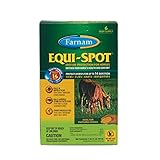
For an easy, pre-made solution, consider a natural dog fly repellent spray to keep flies at bay without the hassle of mixing your own.
4. Apply the repellent before major fly activity.
- What “good” looks like: Your dog is coated lightly, especially around ears, neck, and belly, and seems comfortable.
- Common mistake: Applying too much, which can irritate the dog’s skin or eyes, or not applying it at all.
- How to avoid it: Do a patch test first. Apply a small amount and wait a bit to see if there’s any reaction. Focus on areas where flies tend to land.
For continuous, hands-free protection, a citronella dog collar can offer a convenient alternative to sprays, especially for dogs who dislike being sprayed.

5. Provide ample shade and ventilation.
- What “good” looks like: Your dog has a cool, breezy spot to relax, either under a tarp, an awning, or a natural canopy.
- Common mistake: Leaving your dog in direct sun, making them hot and bothered, which attracts more insects.
- How to avoid it: Set up shade structures early. Ensure there’s good airflow. A portable fan can work wonders on a still, hot day.
6. Keep fresh water readily available.
- What “good” looks like: Your dog has a clean bowl of water that’s refilled regularly.
- Common mistake: Letting the water bowl get dirty or empty, attracting flies itself.
- How to avoid it: Clean the bowl daily and keep it out of direct sun to keep the water cool.
7. Manage dog food and waste promptly.
- What “good” looks like: Food bowls are cleaned after meals, and all waste is collected and bagged immediately.
- Common mistake: Leaving uneaten food out or letting dog waste sit, creating a fly buffet.
- How to avoid it: Feed your dog in a contained area if possible. Pack out all waste in sealed bags, far from your campsite.
8. Introduce physical barriers if needed.
- What “good” looks like: Your dog tolerates a fly mask or netting comfortably, significantly reducing fly landings.
- Common mistake: Forcing a mask on a dog that hates it, causing more stress than the flies.
- How to avoid it: Introduce masks gradually at home before your trip. Ensure a good fit so it doesn’t rub or obstruct vision.
To provide excellent protection for your dog’s eyes and face, especially if flies are persistent, consider using a comfortable dog fly mask.

9. Monitor your dog throughout the day.
- What “good” looks like: You notice your dog is generally relaxed, not constantly swatting or shaking its head.
- Common mistake: Assuming the repellent is working perfectly and not checking in.
- How to avoid it: Give your dog a quick once-over every hour or so. Look for flies on their face, ears, and any exposed skin.
10. Clean up thoroughly at the end of your trip.
- What “good” looks like: Your campsite is pristine, with no food scraps or waste left behind.
- Common mistake: Leaving behind any remnants that could attract flies or other pests.
- How to avoid it: Do a final sweep of your entire campsite before departing. Pack out everything you packed in, plus any trash you find.
Common mistakes (and what happens if you ignore them)
| Mistake | What it causes | Fix |
|---|---|---|
| Using essential oils without dilution | Skin irritation, allergic reactions, or toxicity for your dog. | Always dilute essential oils according to safe guidelines for dogs. Consult your vet if unsure. |
| Applying repellent to sensitive areas | Eye irritation, discomfort, or ingestion by licking. | Avoid eyes, nose, mouth, and genitals. Focus on the back, neck, and legs. |
| Relying on just one method | Ineffective protection, leading to constant fly harassment for your dog. | Combine multiple strategies: repellent, shade, clean environment, and physical barriers. |
| Leaving food or water out overnight | Attracts flies and other nocturnal pests to your campsite. | Store all food in sealed containers or bear-proof bins. Clean water bowls after use. |
| Not cleaning up dog waste promptly | Creates a powerful attractant for flies, leading to swarms. | Bag and pack out all dog waste immediately. |
| Ignoring wind direction | Repellent spray blows back into your face or doesn’t reach the dog effectively. | Apply repellent when the wind is at your back or use a wipe-on application. |
| Not introducing fly masks gradually | Dog stress, anxiety, and refusal to wear the mask, defeating its purpose. | Let your dog wear the mask for short periods at home before the trip. Associate it with positive experiences. |
| Camping near stagnant water sources | Creates a breeding ground for flies, guaranteeing a constant presence. | Choose campsites away from marshes, bogs, or slow-moving water. |
| Not checking weather for fly-conducive conditions | Being unprepared for hot, humid weather that encourages fly activity. | Always check the forecast. Hot, humid, and still air are prime fly conditions. |
| Assuming natural means are always safe | Using ingredients that might be harmful to dogs or the environment. | Research all natural ingredients. Stick to known safe options and consult your veterinarian. |
Decision rules (simple if/then)
- If the air is hot and still, then increase vigilance with fly control measures because flies are more active and persistent.
- If your dog is scratching excessively, then check for flies or irritation and reapply repellent if needed because constant scratching indicates a problem.
- If you see a lot of flies around your food, then immediately clean up and secure all food items because flies are attracted to food sources.
- If your dog is showing signs of distress (panting excessively, lethargy) in heat, then move to a shaded, cooler area and offer water because heat exhaustion is a serious risk, exacerbated by fly harassment.
- If you are camping near a known animal carcass or dung pile, then expect a higher fly population and take extra precautions because these are primary fly breeding and feeding sites.
- If your dog has open wounds or abrasions, then clean them thoroughly and protect them from flies because flies can spread disease and prolong healing.
- If you are using apple cider vinegar as a repellent, then dilute it properly because straight vinegar can be irritating to the skin.
- If you notice flies are particularly drawn to your dog’s ears, then focus repellent application on that area because ears are common landing spots.
- If your dog seems stressed by fly masks, then try a different type or rely more on other methods because a stressed dog is not a happy camper.
- If you are in an area with abundant natural predators like dragonflies, then appreciate their presence because they help control fly populations naturally.
- If you are using essential oils, then ensure they are dog-safe and properly diluted because some oils can be toxic to canines.
- If you find yourself constantly swatting flies away from your dog, then it’s time to reassess your strategy and potentially add another layer of protection because persistent flies mean your current methods aren’t enough.
FAQ
What are the safest natural repellents for dogs?
Generally, diluted apple cider vinegar, a few drops of dog-safe essential oils like lavender or rosemary (always research safe dilution rates), and commercial natural pet repellents are considered safe when used correctly.
How often should I reapply natural fly repellent?
Reapplication frequency depends on the product, weather, and activity level. Typically, every few hours is a good starting point, especially after swimming or heavy sweating.
Can I use human bug spray on my dog?
No, absolutely not. Human insect repellents often contain chemicals that are toxic to dogs and can cause severe health problems. Stick to products specifically formulated for pets.
What is the best way to keep flies away from a dog’s eyes and ears?
A well-fitting fly mask can provide excellent protection for the eyes. For ears, focus repellent application around the base and outer edges, avoiding direct application inside the ear canal.
My dog has sensitive skin. What natural repellents should I consider?
For sensitive skin, start with very diluted apple cider vinegar or plain water. You can also look for hypoallergenic natural repellent sprays specifically designed for dogs with sensitive skin. Always patch-test.
How do I prevent flies from being attracted to my campsite in the first place?
Keep your campsite meticulously clean. Store food properly, clean up all pet waste immediately, and avoid setting up camp near stagnant water or garbage.
What if my dog ingests some of the natural repellent?
Small amounts of diluted apple cider vinegar or dog-safe essential oils are usually not a major concern, but monitor your dog for any signs of distress. If they ingested a large amount or a non-dog-safe product, contact your veterinarian immediately.
Are there any plants that naturally repel flies that I can have around my campsite?
While not always practical for camping, plants like citronella, basil, lavender, and rosemary are known to have some fly-repelling properties. You might consider growing these at home if you have a yard.
What this page does NOT cover (and where to go next)
- Specific product recommendations for commercial natural repellents. (Search for reputable pet supply brands.)
- Detailed recipes for homemade repellents, including exact essential oil dilution ratios. (Consult veterinary resources or experienced groomers.)
- Identification and treatment of specific fly-borne diseases or severe allergic reactions. (Consult a veterinarian.)
- Regulations regarding specific natural ingredients in different states or national parks. (Check with the relevant land management agency.)
- Advanced pest control techniques for large infestations. (Consider professional pest control services if the problem is severe at home.)

Camping Bob has spent over 20 years camping across the US — from BLM dispersed sites in the Southwest to KOA campgrounds in the Pacific Northwest. He writes practical, no-nonsense guides to help fellow campers get outdoors with confidence.