
Make Ice Last Longer in Your Cooler
Quick answer
- Pre-chill everything. Your cooler, your drinks, your food. Everything.
- Use block ice. It melts slower than cubed.
- Pack it tight. Air is the enemy of cold.
- Limit opening. Every time you open it, cold air escapes.
- Keep it in the shade. Direct sun is a killer.
- Use a good cooler. A cheap cooler just won’t cut it for long trips.
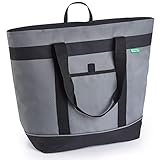
For the best results, consider investing in a high-quality insulated cooler like this one to keep your contents colder for longer.
What to check first (do this before you drive out)
Before you even think about loading up, get a handle on a few key things. This isn’t rocket science, but it saves you a ton of hassle.
- Land manager / legality
Who’s in charge of the land you’re heading to? Is it National Forest, BLM, a State Park, or private? Each might have different rules about campfires, dispersed camping, and even what you can bring. A quick look at their website or a phone call clears things up. Don’t get surprised by a ranger telling you to pack it out.
- Access/road conditions
Can your rig actually get there? Is the road paved, gravel, or just a suggestion? Think about your vehicle’s ground clearance and if you’ll need 4WD. Mud, snow, or deep ruts can turn a fun trip into a tow truck situation real fast. I learned that lesson the hard way in Moab once.
- Fire restrictions + weather + wind
This is a big one. Are campfires allowed? Check the official fire restrictions for the area. Then, look at the weather forecast. High heat melts ice faster. Strong winds can dry things out and make it feel colder, but they can also push heat toward your campsite.
- Water plan + waste plan (Leave No Trace)
Where will you get water, or are you bringing it all? And what’s your plan for trash and human waste? Leave No Trace principles are key here. Pack out everything you pack in, and know how to properly dispose of waste. Nobody wants to hike out to a campsite that looks like a garbage dump.
- Safety (wildlife, distance to help, comms)
What kind of wildlife are you likely to encounter? Know how to store food properly to avoid unwanted visitors. How far is the nearest town or ranger station? Cell service is often spotty. Let someone know where you’re going and when you expect to be back.
Step-by-step (field workflow)
Here’s how to get your cooler dialed in for maximum ice life. It’s all about preparation and smart packing.
1. Clean your cooler.
- What to do: Give it a good scrub inside and out. Get rid of any lingering smells or residue from last time.
- What “good” looks like: A sparkling clean cooler, ready for action. No funky smells.
- Common mistake: Just rinsing it out. This leaves behind bacteria and smells that can affect your food. Avoid it by using soap and water.
2. Pre-chill the cooler.
- What to do: Bring your cooler inside the house or garage a day or two before you leave. Let it get to room temperature.
- What “good” looks like: The cooler’s walls are cool to the touch.
- Common mistake: Packing a hot cooler straight from the trunk. This makes the ice work overtime from the start. Avoid it by giving it time to acclimate.
3. Pre-chill your contents.
- What to do: Make sure all drinks and food are cold before they go into the cooler. Refrigerate everything overnight.
- What “good” looks like: Your beverages are frosty and your food is chilled.
- Common mistake: Putting warm items in with your ice. This immediately starts melting it. Keep your fridge stocked and use those cold items.
4. Use block ice.
- What to do: Buy or make large blocks of ice. These melt much slower than cubes.
- What “good” looks like: You have a few big, solid blocks of ice.
- Common mistake: Relying solely on small ice cubes. They melt fast and leave you with a watery mess. Mix it up if you need to, but block ice is your best friend for longevity.
Alongside block ice, reusable ice packs can be a great addition to maintain consistent cold without the watery mess.

5. Layer your ice.
- What to do: Put a layer of block ice at the bottom. Then add your pre-chilled food and drinks. Top with more ice.
- What “good” looks like: Ice is surrounding your items, not just sitting on top.
- Common mistake: Dumping everything in haphazardly. This creates air pockets and uneven cooling. Think of it like building a cold fortress.
6. Fill empty space.
- What to do: Pack the cooler as full as possible. Use smaller ice cubes, towels, or even crumpled newspaper to fill any gaps.
- What “good” looks like: No significant air pockets. The contents are snug.
- Common mistake: Leaving air space. Air transfers heat, and you want to minimize that. Pack it tight.
7. Keep it closed.
- What to do: Resist the urge to open the cooler constantly. Plan what you need before you open it, grab it quickly, and close it.
- What “good” looks like: The cooler stays shut most of the time.
- Common mistake: Peeking every five minutes. Every opening lets cold air out and warm air in. A quick grab-and-go is the way.
8. Keep it in the shade.
- What to do: Store your cooler out of direct sunlight. Under a tree, under a tarp, or in the car (if it’s not a solar oven).
- What “good” looks like: The cooler is in a cool, shaded spot.
- Common mistake: Leaving it out in the blazing sun. This is like putting an ice cube on a hot stove. Shade is your friend.
9. Use a separate cooler for drinks.
- What to do: If you have a lot of drinks, use a second cooler just for them. People tend to grab drinks more often.
- What “good” looks like: Your food cooler stays mostly closed while the drink cooler gets opened more.
- Common mistake: Mixing food and drinks in one cooler that gets opened constantly. This compromises food safety and ice life.
10. Drain some water (carefully).
- What to do: As ice melts, it creates water. You can drain off some of this water to keep the remaining ice from melting as fast, but be careful not to drain all the cold water.
- What “good” looks like: You’ve removed excess water, but the remaining ice is still substantial.
- Common mistake: Draining all the water. The cold water actually helps keep things frozen longer. Only drain when it’s getting too full.
Common mistakes (and what happens if you ignore them)
| Mistake | What it causes | Fix |
|---|---|---|
| Packing a warm cooler | Ice melts rapidly, food spoils faster. | Pre-chill your cooler for at least 24 hours. |
| Using only small ice cubes | Melts quickly, leaving you with a watery mess and warm food. | Use large blocks of ice, supplemented with cubes if needed. |
| Leaving air gaps in the cooler | Air transfers heat, accelerating ice melt and warming contents. | Pack the cooler tightly; fill any voids with towels or extra ice. |
| Frequent cooler openings | Cold air escapes, warm air enters, melting ice and compromising food safety. | Plan your needs before opening, grab quickly, and close immediately. Use a separate drink cooler. |
| Leaving the cooler in direct sunlight | The sun is a powerful heat source, rapidly melting ice. | Always store your cooler in the shade. |
| Putting warm food/drinks in the cooler | Immediately starts melting the ice and raises the internal temperature. | Ensure all contents are thoroughly chilled before packing. |
| Not draining some meltwater | Excess water can insulate ice, causing it to melt faster. | Carefully drain off some meltwater if the cooler gets too full, but leave some cold water. |
| Using a flimsy, cheap cooler | Poor insulation allows heat transfer, leading to rapid ice melt. | Invest in a quality cooler with good insulation. |
| Not letting the cooler acclimate | The cooler’s material absorbs heat from the ice, reducing its lifespan. | Bring the cooler inside to warm up before packing. |
To avoid rapid ice melt, a quality cooler with good insulation, such as this highly-rated option, is a worthwhile investment.
Decision rules (simple if/then)
- If your trip is longer than two days, then use block ice because it melts much slower than cubes.
- If you’re car camping, then a hard-sided cooler is usually better because they offer superior insulation.
- If you’re backpacking, then forget the ice and focus on freeze-dried meals and insulated food bags because carrying ice isn’t practical.
- If the weather forecast shows extreme heat, then pack extra ice and consider a cooler with better insulation because heat accelerates melt.
- If you plan on opening the cooler frequently, then consider a separate cooler for drinks because this minimizes exposure of your food to warm air.
- If you have a lot of food that needs to stay frozen, then use dry ice (with proper ventilation and handling precautions) because it’s much colder than water ice.
- If you’re camping in a place with limited access to fresh water, then plan your water needs carefully and consider bringing a water filter or purification tablets because you won’t be able to refill your cooler with ice easily.
- If your cooler is only half-full, then fill the remaining space with towels or crumpled newspaper because air pockets allow heat to enter.
- If you’re camping in bear country, then always store your cooler in a bear-resistant container or hang it properly because bears are attracted to food smells.
- If you’re leaving your campsite for a day trip, then take your cooler with you or secure it properly because leaving it unattended can attract animals.
FAQ
How much ice do I need?
It depends on the cooler size, how long you’re going, and the weather. A good rule of thumb is to fill at least half your cooler with ice, and more if it’s hot or you’re going for many days.
Can I reuse melted ice water?
Yes, but only if it’s still very cold and you’re using it to keep other things cold. Once it gets warmer, it’s less effective. Don’t drink it unless it’s from a potable source.
What’s the difference between block ice and cubed ice?
Block ice has less surface area relative to its volume, so it melts much slower. Cubed ice melts faster but can fill gaps better.
Should I drain my cooler every day?
You can drain some meltwater if it’s getting too full, but don’t drain all of it. The cold water actually helps keep the remaining ice from melting as quickly.
How do I keep my food safe in the cooler?
Keep raw meat at the bottom, double-bagged, to prevent leaks. Ensure your cooler stays below 40°F (4°C). Use a thermometer to check.
What if my ice melts before I get home?
If your food is still cold to the touch (below 40°F/4°C), it’s likely still safe. If in doubt, throw it out.
Does the color of the cooler matter?
Yes, lighter-colored coolers reflect more sunlight and absorb less heat than dark-colored ones.
Can I put dry ice in my cooler?
Yes, but be very careful. Dry ice is extremely cold and can cause frostbite. Ensure your cooler is well-ventilated, as dry ice releases carbon dioxide gas. Never use it in an airtight container.
What this page does NOT cover (and where to go next)
- Specific campsite reservation systems or fees. (Check the land manager’s official website.)
- Detailed wildlife identification and specific encounter protocols. (Consult local wildlife agencies for detailed safety guides.)
- Legal regulations regarding campfires, fishing, or hunting. (Always check local and state regulations before your trip.)
- Advanced gear reviews for high-end coolers. (Look for independent gear review sites for specific product comparisons.)
- Recipes for campfire cooking. (Search for camping-specific recipe blogs and cookbooks.)

Camping Bob has spent over 20 years camping across the US — from BLM dispersed sites in the Southwest to KOA campgrounds in the Pacific Northwest. He writes practical, no-nonsense guides to help fellow campers get outdoors with confidence.