
Understanding How Long Ice Packs Typically Last
Quick answer
- Ice packs can last anywhere from 12 hours to 3 days, depending on type and usage.
- Gel packs generally last longer than basic water-filled packs.
- Pre-chill your cooler and ice packs for maximum duration.
- Minimize opening the cooler to keep the cold in.
- Use block ice or larger ice packs for longer-lasting cold.
- Consider dry ice for extreme temperatures, but handle with care.
What to check first (do this before you drive out)
Before you even think about packing that cooler, give these a once-over. It’s the difference between perfectly chilled drinks and lukewarm disappointment.
- Cooler Type and Condition: Is your cooler a trusty old workhorse or a flimsy cooler? Higher quality, better-insulated coolers will keep things cold way longer. Check for cracks or worn seals – those are cold leaks.
For superior cold retention, consider investing in a high-quality insulated cooler. A well-built cooler, like this one, can make a significant difference in how long your ice packs last.
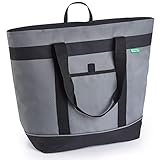
- Ice Pack Type and Quantity: You got gel packs, reusable cubes, or just plain water bottles frozen solid? Gel packs tend to hold their temp longer than plain water. And seriously, bring more ice than you think you’ll need. It’s better to have too much than too little.
- Pre-Chilling: This is non-negotiable. Chill your cooler overnight with some sacrificial ice packs or frozen water bottles. The colder the cooler starts, the longer everything else stays cold.
- Cooler Loading Strategy: Pack dense, frozen items at the bottom. Fill empty spaces with smaller ice packs or crumpled paper. Air is the enemy of cold.
- Planned Usage: How often will you be opening the cooler? A quick beer grab every hour means shorter ice life. If it’s going to sit mostly closed, your ice will thank you.
Step-by-step (field workflow)
Here’s the game plan for keeping things frosty out there. Follow this, and your food will stay safe and your drinks will be primo.
1. Select Your Ice Packs: Grab the best ice packs you have. Gel packs are usually the go-to for longer trips.
- Good: You’ve got a mix of large gel packs and maybe some frozen water bottles.
- Mistake: Grabbing a few small, flimsy ice cubes that melt in an hour.
- Avoid: Don’t skimp on ice pack quality or quantity.
2. Freeze Them Solid: Stick those ice packs in the freezer until they’re rock solid. This can take 12-24 hours depending on your freezer and the pack.
- Good: They feel like bricks. No give at all.
- Mistake: Pulling them out after just a few hours, still a little soft.
- Avoid: Patience is key. Make sure they’re fully frozen.
3. Pre-Chill Your Cooler: Before packing, put some ice packs or frozen water bottles in your empty cooler for at least a few hours, or overnight if possible.
- Good: The inside of the cooler feels frigid.
- Mistake: Packing warm items into a warm cooler.
- Avoid: Don’t skip this step. It makes a huge difference.
4. Pack Dense Items First: Load your cooler with the heaviest, most dense items, like frozen meats or large drinks, at the bottom.
- Good: The bottom is packed tightly with cold, solid items.
- Mistake: Stacking lighter, less cold-sensitive items on the bottom.
- Avoid: Heavy, cold stuff goes low.
5. Add Your Ice Packs: Nestle your frozen ice packs around and on top of your packed items.
- Good: Ice packs surround all the food and drinks, filling gaps.
- Mistake: Leaving large air pockets between items and ice packs.
- Avoid: Fill all the empty space.
6. Fill Remaining Gaps: Use smaller ice packs, frozen water bottles, or even crumpled newspaper to fill any remaining air space.
- Good: The cooler is packed tight, no room for air.
- Mistake: Leaving a bunch of empty space at the top.
- Avoid: Every inch counts for cold retention.
7. Close the Cooler Quickly: Once packed, close the lid immediately and securely.
- Good: Lid is latched and seals tight.
- Mistake: Leaving the cooler open while you grab more gear.
- Avoid: Pack it, close it, and leave it alone.
8. Minimize Opening: Resist the urge to open the cooler unless absolutely necessary. Each opening lets cold air escape.
- Good: You planned ahead and have snacks/drinks accessible outside the cooler.
- Mistake: Constantly rummaging for a drink or snack.
- Avoid: Think before you open.
9. Replenish if Needed: If you’re on a multi-day trip and notice your ice packs are thawing significantly, consider adding more ice or frozen items if you have them.
- Good: You have a backup stash of ice or frozen water bottles.
- Mistake: Expecting ice packs to last forever without any replenishment.
- Avoid: Plan for replenishment on longer trips.
10. Drain Meltwater (Optional, but Recommended): For basic ice packs, draining some meltwater can help, as the cold water is still effective. However, for better insulation, some prefer to leave it.
- Good: You’ve strategically drained some water to prevent items from getting soaked but kept enough cold liquid.
- Mistake: Draining all the meltwater, which is still cold.
- Avoid: Use your judgment based on your cooler and ice type.
Common mistakes (and what happens if you ignore them)
| Mistake | What it causes | Fix |
|---|---|---|
| Not pre-chilling the cooler | Food and drinks warm up faster; ice melts prematurely. | Chill your cooler with ice packs or frozen water bottles for at least a few hours before packing. |
| Using too few ice packs | Insufficient cold to maintain temperature, leading to spoilage. | Pack more ice packs than you think you need; aim for a 1:1 ratio of ice to contents or more. |
| Leaving air gaps in the cooler | Air transfers heat easily, causing ice to melt faster. | Fill all empty spaces with smaller ice packs, frozen water bottles, or even crumpled paper. |
| Opening the cooler frequently | Cold air escapes, warm air enters, accelerating ice melt. | Plan ahead, grab what you need in one go, and keep a separate, smaller cooler for frequently accessed items if possible. |
| Packing warm items into the cooler | Warms up the ice packs and other contents, reducing overall cooling time. | Ensure all items going into the cooler are already cold or frozen. |
| Using small, low-quality ice packs | They melt very quickly, offering minimal cooling duration. | Invest in high-quality, larger gel packs or consider block ice for longer trips. |
| Not securing the cooler lid properly | Allows warm air to seep in, compromising the cold environment. | Ensure the lid is closed firmly and latched, creating a good seal. |
| Placing the cooler in direct sun | External heat rapidly transfers into the cooler, melting ice faster. | Keep the cooler in the shade, covered with a blanket, or inside your vehicle (if not too hot). |
| Not draining meltwater (sometimes) | Can lead to soggy food or drinks floating in water, though the water is cold. | For basic ice, drain some water to prevent sogginess, but leave enough to help maintain cold. Gel packs usually don’t need draining. |
| Using the cooler as a seat or table | Can damage the cooler, compromise the seal, and expose it to heat. | Treat your cooler with care; use dedicated chairs and tables. |
Decision rules (simple if/then)
- If your trip is less than 24 hours, then standard reusable gel packs should be sufficient because they typically last 12-24 hours.
- If your trip is longer than 2 days, then consider using block ice or dry ice (with caution) because they provide sustained cold for extended periods.
- If you are camping in extreme heat (above 90°F), then you’ll need more ice packs and a well-insulated cooler because the ambient temperature will accelerate melting.
- If you plan to access the cooler frequently, then use a smaller, secondary cooler for drinks to keep the main cooler colder for longer.
- If you are packing raw meat, then ensure it is double-bagged and placed at the bottom of the cooler to prevent cross-contamination if it leaks.
- If you are going on a short day trip, then frozen water bottles work great because they double as ice packs and drinking water as they melt.
- If your cooler has a leaky seal, then try to patch it with tape or replace it, because a compromised seal will drastically reduce how long your ice lasts.
- If you are hiking or backpacking, then skip the heavy cooler and opt for freeze-dried meals and insulated food pouches because they don’t require refrigeration.
- If you see condensation on the outside of your cooler, then it’s likely losing its cool; check the lid seal and try to keep it in the shade.
- If you are using dry ice, then ensure the cooler is not airtight and wear gloves when handling it because dry ice can cause severe frostbite.
- If you’re unsure about ice pack duration, then err on the side of bringing too much because melting ice is better than spoiled food.
If you are camping in extreme heat, a well-insulated cooler is essential. This insulated cooler is designed to keep contents cold for extended periods, even in challenging conditions.
FAQ
How long do basic water-filled ice packs typically last?
Basic water-filled ice packs usually last between 12 to 24 hours, depending heavily on cooler quality and ambient temperature. They’re best for shorter trips or as secondary cooling.
Are gel packs better than regular ice packs?
Generally, yes. Gel packs are formulated to stay colder for longer periods, often 24-48 hours, due to their composition. They’re a solid choice for most camping scenarios.
Does pre-chilling a cooler really make a difference?
Absolutely. A pre-chilled cooler starts at a lower temperature, meaning your ice packs don’t have to work as hard to cool it down, extending their life significantly.
How can I make my ice packs last longer in the heat?
Keep your cooler in the shade, cover it with a blanket, and minimize how often you open it. Packing it tightly with plenty of ice also helps.
What’s the deal with block ice versus cubed ice?
Block ice melts much slower than cubed ice because it has less surface area exposed. For longer trips, block ice is usually the superior choice for sustained cold.
Can I just use frozen food as ice packs?
Yes, this is a great strategy! Frozen foods act as ice packs and then become your meals as they thaw. Pack them strategically to cool other items.
How long can I expect ice to last in a high-end cooler?
Premium coolers are designed for insulation. With proper packing and minimal opening, some can keep ice frozen for 3-5 days, sometimes even longer.
For multi-day adventures, a high-end insulated cooler is a game-changer. This insulated cooler offers exceptional insulation, keeping your ice packs and contents cold for days.
What should I do if my ice packs are starting to thaw on a long trip?
If you have a backup supply, add more frozen packs. Otherwise, try to consolidate items and keep the cooler closed as much as possible to preserve the remaining cold.
What this page does NOT cover (and where to go next)
- Specific campsite regulations on food storage (check park or forest service rules).
- Advanced cooler modifications for extreme insulation (research “DIY cooler mods”).
- Detailed comparisons of every cooler brand on the market (look for independent reviews).
- Recipes for food that requires strict refrigeration (consult general camping food guides).

Camping Bob has spent over 20 years camping across the US — from BLM dispersed sites in the Southwest to KOA campgrounds in the Pacific Northwest. He writes practical, no-nonsense guides to help fellow campers get outdoors with confidence.