
How To Use A Lighter Safely And Effectively
Quick answer
- Know your lighter type.
- Clear the area before striking.
- Keep away from flammable materials.
- Use a steady hand.
- Extinguish completely.
- Store it right.
- Check fuel levels.
- Have a backup.
What to check first (do this before you drive out)
Before you even think about striking a match or clicking a lighter, there are a few crucial checks. This isn’t just about convenience; it’s about safety and being prepared.
- Land manager / legality: Who’s in charge here? Is it National Forest, BLM land, a State Park, or private property? Each has different rules. You gotta know if campfires are even allowed, and what kind of restrictions are in place. It’s usually pretty clear on their websites or at an entrance station.
- Access/road conditions: Can your rig actually get there? Some spots need 4WD and good clearance. Others are fine for a sedan. Don’t be the guy stuck on a logging road because you didn’t check. Mud, snow, or washouts can change things fast.
- Fire restrictions + weather + wind: This is huge. Fire bans are no joke. Check the local agency’s website for current restrictions. Also, look at the forecast. High winds and dry conditions are a recipe for disaster. If it’s blowing hard, maybe rethink the fire.
- Water plan + waste plan (Leave No Trace): Got water to put out a fire if needed? And how are you packing out all your trash, including food scraps? Leave No Trace principles are key. Don’t leave anything behind.
- Safety (wildlife, distance to help, comms): What kind of critters are around? How far is the nearest ranger station or town? Do you have cell service? Knowing these things helps you plan for emergencies. It’s good to have a satellite communicator for remote spots.
Step-by-step (field workflow)
Here’s how to get a fire going, safely and effectively, with your trusty lighter.
1. Gather your tinder, kindling, and fuel wood.
- What to do: Collect dry, fluffy stuff (tinder), small twigs (kindling), and larger branches (fuel wood).
- What “good” looks like: Everything is bone dry and you have a good pile of each size, ready to go.
- A common mistake and how to avoid it: Using wet wood. It’ll just smoke and frustrate you. Always test a piece by trying to snap it; a dry piece snaps cleanly.
2. Clear a safe area for your fire pit.
- What to do: Scrape away all flammable material (leaves, pine needles, grass) down to bare dirt in a circle at least 10 feet wide.
- What “good” looks like: A clear patch of earth, with no overhanging branches.
- A common mistake and how to avoid it: Not clearing wide enough. A stray spark can travel further than you think. Better safe than sorry.
3. Build your fire structure.
- What to do: Arrange your kindling over the tinder, often in a teepee or log cabin shape. Leave space for air to circulate.
- What “good” looks like: A structure that will catch easily and allow airflow.
- A common mistake and how to avoid it: Packing it too tight. Fire needs oxygen. If it’s choked, it won’t burn.
4. Prepare your lighter.
- What to do: Make sure it has fuel and the striker wheel is clean and dry. If it’s a Bic-style, check the flame adjustment if it has one.
- What “good” looks like: A lighter that sparks reliably and produces a steady flame.
- A common mistake and how to avoid it: Trying to use a wet or empty lighter. Test it before you get to the crucial stage.
5. Shield the flame from wind.
- What to do: Cup your hand or use your body to block any breeze from hitting the flame as you ignite the tinder.
- What “good” looks like: A brief, steady flame catching the tinder.
- A common mistake and how to avoid it: Not shielding. The wind will blow out your initial flame before it catches.
6. Strike the lighter and apply flame to tinder.
- What to do: Hold the flame to the base of your tinder until it ignites.
- What “good” looks like: The tinder begins to glow and then catches flame.
- A common mistake and how to avoid it: Holding the flame too far away. Get it right in there.
7. Gently blow on the ember/flame.
- What to do: Once the tinder is smoldering or has a small flame, gently blow on it to encourage it to grow.
- What “good” looks like: The small flame grows and starts to lick the kindling.
- A common mistake and how to avoid it: Blowing too hard. You can blow out a small flame. Be gentle.
8. Add kindling as the fire grows.
- What to do: As the kindling catches, gradually add larger pieces.
- What “good” looks like: A steady, growing fire with flames reaching up.
- A common mistake and how to avoid it: Adding too much wood too fast. This can smother the flames.
9. Add fuel wood once kindling is burning well.
- What to do: Once the kindling is burning strongly, start adding your smaller fuel wood, then larger pieces.
- What “good” looks like: A robust fire that’s ready for cooking or warmth.
- A common mistake and how to avoid it: Putting on logs too soon. They won’t catch if the fire isn’t established.
10. Never leave the fire unattended.
- What to do: Stay near your fire at all times.
- What “good” looks like: You’re present and aware of the fire’s status.
- A common mistake and how to avoid it: Wandering off. Fires can get out of control in seconds.
11. Extinguish the fire completely.
- What to do: Douse with water, stir the ashes, and douse again. Feel the ashes with the back of your hand to ensure they are cool.
- What “good” looks like: Cold ashes. No heat whatsoever.
- A common mistake and how to avoid it: Thinking it’s out when it’s not. Embers can smolder for hours.
12. Pack out all trash.
- What to do: Ensure no food scraps or lighter remnants are left behind.
- What “good” looks like: The campsite looks as if you were never there.
- A common mistake and how to avoid it: Leaving anything behind. It’s not just litter; it can attract wildlife.
Common mistakes (and what happens if you ignore them)
| Mistake | What it causes | Fix |
|---|---|---|
| Using wet tinder/kindling | Fire won’t start, lots of smoke, frustration | Gather only bone-dry materials. Test by snapping; dry wood snaps cleanly. |
| Not clearing a wide enough area | Stray sparks can ignite surrounding vegetation, leading to wildfire | Clear at least a 10-foot radius down to bare dirt. |
| Packing fire structure too tightly | Lack of airflow, fire smothers, won’t catch | Leave gaps for air to circulate. Think teepee or log cabin. |
| Not shielding flame from wind | Lighter flame blows out before tinder catches | Cup your hand or body to block wind when striking. |
| Holding lighter flame too far away | Tinder doesn’t ignite, wastes fuel | Get the flame directly to the base of the tinder. |
| Blowing too hard on a small flame | Blows out the fragile flame | Blow gently and steadily to encourage growth. |
| Adding fuel wood too soon | Large logs won’t catch, smothers the kindling | Wait until the kindling is burning well before adding fuel wood. |
| Leaving a fire unattended | Fire can spread rapidly, become a wildfire | Never leave a fire unsupervised, even for a minute. |
| Not extinguishing fire completely | Hot embers can reignite hours later, causing a wildfire | Douse with water, stir, douse again. Feel ashes for coolness. |
| Leaving trash (including lighter parts) | Attracts wildlife, pollutes the environment, is unsightly | Pack out everything you pack in, including spent lighters and their packaging. |
| Using a lighter in high winds | Inefficient, dangerous, can blow out or spread sparks | Wait for winds to die down, or use a wind-resistant lighter if absolutely necessary. |
| Relying on only one lighter | Lighter fails, runs out of fuel, or gets lost, leaving you without fire | Always carry at least two reliable fire starters, preferably of different types. |
Decision rules (simple if/then)
- If fire restrictions are in place, then do not build a fire because it is illegal and dangerous.
- If the wind is gusting over 15-20 mph, then reconsider building a fire because the risk of it spreading is too high.
- If you can’t clear a 10-foot radius down to bare dirt, then do not build a fire there because it’s not safe.
- If your lighter is low on fuel or won’t spark reliably, then find a new one before you need it because you don’t want to be stuck.
- If you see overhanging branches above your fire pit, then find a new spot because they can catch fire.
- If you are in an area with dry vegetation and no water source nearby, then be extra cautious with fire because any escape is harder to control.
- If you have a gas stove or other cooking device, then consider using that instead of a campfire for cooking because it’s often easier and has less impact.
- If you are unsure about the legality of fires, then check with the local land management agency before lighting anything.
- If you are using a disposable lighter and it’s empty, then dispose of it properly in a trash receptacle, not in the fire pit.
- If you are in a designated campground with fire rings, then use the provided rings because they are designed for safety.
- If you have children or pets with you, then maintain extra vigilance around the fire because they may not understand the danger.
- If you are packing out your trash, then make sure to include any old lighters or fuel canisters.
FAQ
Q: What’s the best type of lighter for camping?
A: For reliability, a refillable torch lighter or a good quality butane lighter works well. Disposable lighters are cheap and easy to carry as backups, but can be less durable.
Q: How do I keep my lighter working in cold weather?
A: Cold can reduce the performance of butane. Keep your lighter in an inside pocket close to your body to keep it warm.
Q: My lighter won’t light. What should I do?
A: Check if it has fuel. If it does, ensure the striker wheel isn’t clogged with dirt or lint. Try flicking it vigorously. If it’s still a no-go, it’s time for a new one.
Q: Can I use a lighter to start a charcoal grill?
A: Yes, but it might take a few tries. Long utility lighters or charcoal chimney starters are usually more effective for grills.
Q: What if my lighter runs out of fuel in the middle of nowhere?
A: This is why you always pack a backup fire starter, like waterproof matches or a ferro rod. Don’t rely on just one lighter.
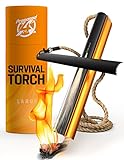
To avoid being caught without a flame, consider carrying a reliable camping fire starter kit as a backup.
Q: Are there any special lighters for survival situations?
A: Yes, some lighters are designed to be windproof and waterproof, or use different fuels like kerosene. Ferro rods and stormproof matches are also excellent survival options.
Q: How should I store a lighter long-term?
A: Store it in a cool, dry place, away from direct sunlight and heat sources. This prevents the fuel from evaporating and the plastic from degrading.
Q: Is it safe to leave a lighter near a campfire?
A: No, never leave a lighter, especially one with fuel, near a hot campfire. The heat can cause it to malfunction or even explode.
When handling hot items around a campfire, it’s always a good idea to protect your hands with heat resistant gloves.

What this page does NOT cover (and where to go next)
- Detailed fire building techniques for specific conditions (e.g., wet wood, high altitude).
- Advanced fire starting with primitive tools like friction fire.
- Specific regulations for fire rings or fire pits in different park systems.
- Cooking methods using a campfire.
- First aid for burns or fire-related injuries.
- Building and maintaining a safe campfire structure beyond basic clearing.

Camping Bob has spent over 20 years camping across the US — from BLM dispersed sites in the Southwest to KOA campgrounds in the Pacific Northwest. He writes practical, no-nonsense guides to help fellow campers get outdoors with confidence.