
How to Keep a Campfire Burning
Quick answer
- Know your fire restrictions before you go. No exceptions.
- Gather plenty of wood before you start. More than you think you need.
- Start small. Build up to bigger logs.
- Feed it consistently, but don’t smother it.
- Keep water and a shovel nearby. Always.
- Understand wind. It’s your friend and your enemy.
- Pack out all trash. Leave the site cleaner than you found it.
What to check first (do this before you drive out)
Before you even think about striking a match, nail these down. It’s the difference between a cozy evening and a headache.
- Land manager / legality: Who’s in charge of the land? US Forest Service (USFS), Bureau of Land Management (BLM), National Park Service (NPS), state parks, private land? Each has its own rules. Most importantly, are campfires even allowed right now? Fire bans are common, especially in dry seasons. Check the official website for the specific ranger district or park you’re heading to. Seriously, this is non-negotiable.
- Access/road conditions: How are the roads out there? Is it a paved highway, a gravel Forest Service road, or a rutted, muddy track? Does your rig have the clearance and 4WD to handle it? Some areas might be accessible by 2WD most of the year, but a good rain can turn them into mud pits. Check recent reports if you can.
- Fire restrictions + weather + wind: This is a big one. Fire danger levels dictate if you can have a fire at all. Check the relevant agency’s website for current restrictions. Beyond that, look at the forecast. High winds are a fire’s best friend for spreading. Heavy rain might put your fire out before it gets going. Be smart about it.
- Water plan + waste plan (Leave No Trace): You must have a way to put your fire out completely. That means a bucket of water and a shovel are mandatory gear. For waste, pack it in, pack it out. This includes all trash, food scraps, and anything else you bring with you. Don’t burn trash; it pollutes and can attract animals.
- Safety (wildlife, distance to help, comms): Know what kind of wildlife is in the area and how to store food properly. Are you close to a ranger station or a town, or are you way out in the sticks? Cell service is often spotty or non-existent. Let someone know where you’re going and when you expect to be back.
Step-by-step (field workflow)
Here’s the practical rundown for getting a good fire going and keeping it alive.
1. Scout your location: Find a designated fire ring or a safe, cleared spot away from trees, brush, and your tent.
- Good looks like: A pre-existing, sturdy fire pit. If you have to make one, clear a 10-foot diameter down to bare soil.
- Common mistake: Setting up too close to overhanging branches or dry grass. Avoid it by: Always looking up and around for flammable materials.
2. Gather your wood: Collect a variety of sizes: tinder (dry leaves, bark), kindling (pencil-thick twigs), and fuel wood (wrist-thick to forearm-thick branches). Get more than you think you’ll need.
- Good looks like: A substantial pile of dry wood, sorted by size.
- Common mistake: Only grabbing a few small sticks. Avoid it by: Understanding you’ll burn through kindling fast and need larger pieces to sustain the fire.
3. Prepare the fire pit: If needed, clear any debris from the existing ring. Make sure it’s contained.
- Good looks like: A clean, contained area ready for ignition.
- Common mistake: Adding green or wet wood to the pit. Avoid it by: Only using dry, dead wood. Green wood smolders and smokes.
4. Build your base: Start with a small nest of tinder in the center of the pit.
- Good looks like: A loose, fluffy ball of dry material.
- Common mistake: Packing the tinder too tightly. Avoid it by: Leaving air pockets for the flame to breathe.
5. Add kindling: Lean or crisscross your smallest twigs over the tinder.
- Good looks like: A small teepee or log cabin structure of kindling.
- Common mistake: Using damp or thick kindling. Avoid it by: Picking the driest, thinnest twigs you can find.
6. Ignite the tinder: Use a match or lighter to light the tinder from the bottom.
- Good looks like: The tinder catching flame and igniting the kindling.
- Common mistake: Trying to light the kindling directly. Avoid it by: Lighting the easily flammable tinder first.
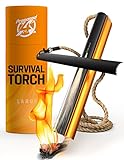
For reliable ignition, consider carrying a dedicated camping fire starter kit. These often include waterproof matches, ferro rods, or other dependable tools.
7. Feed the flame: As the kindling catches, gently add slightly larger pieces. Blow softly if needed to encourage the flames.
- Good looks like: A steady flame growing stronger.
- Common mistake: Smothering the young flames with too much wood. Avoid it by: Adding wood gradually, allowing airflow.
8. Introduce fuel wood: Once the kindling is burning well, start adding your smaller fuel wood logs.
- Good looks like: A small, stable fire with a good bed of coals starting to form.
- Common mistake: Adding large logs too soon. Avoid it by: Letting the fire establish itself with smaller pieces first.
9. Build and maintain: Arrange logs to allow airflow. Feed the fire with larger pieces as needed to maintain desired heat.
- Good looks like: A consistent fire that’s not too big or too small for your needs.
- Common mistake: Piling on too much wood at once. Avoid it by: Adding wood one or two pieces at a time.
10. Manage the wind: Adjust your fire’s position or add a windbreak (rocks, not flammable material) if it’s getting too wild.
- Good looks like: A controlled fire that’s not flaring up dangerously.
- Common mistake: Ignoring a strong gust of wind. Avoid it by: Being aware of wind direction and strength.
11. Keep it safe: Always have water and a shovel within reach. Never leave a fire unattended.
- Good looks like: Constant vigilance and preparedness.
- Common mistake: Stepping away for “just a minute.” Avoid it by: Always assigning someone to watch the fire if you need to leave.
12. Extinguish completely: Douse with water, stir the ashes with a shovel, and douse again. Feel the ashes with the back of your hand to ensure they are cold.
- Good looks like: Cold, dead ashes.
- Common mistake: Thinking it’s out when it’s just smoldering. Avoid it by: The “cold out” test. If it’s too hot to touch, it’s too hot to leave.
Common mistakes (and what happens if you ignore them)
| Mistake | What it causes | Fix |
|---|---|---|
| Not checking fire restrictions | Fines, wildfire, jail time, and a ruined trip. | Always check the land manager’s website <em>before</em> you leave home. |
| Using green or wet wood | Excessive smoke, difficulty starting, poor heat. | Collect only dry, dead wood. If it snaps, it’s good. If it bends, it’s wet. |
| Starting with too large of logs | Fire goes out, struggles to catch. | Build up from tinder to kindling to progressively larger fuel wood. |
| Piling on too much wood at once | Smothers the flames, reduces airflow, creates more smoke. | Add wood gradually, one or two pieces at a time, allowing the fire to breathe. |
| Not having water/shovel readily available | Uncontrolled fire spread, potential wildfire. | Keep a full bucket of water and a shovel right next to the fire pit at all times. |
| Leaving a fire unattended | Sparks can fly, embers can reignite, leading to wildfire. | Never leave a fire. If you must step away, ensure someone else is watching it. |
| Burning trash or food scraps | Attracts animals, pollutes the air, leaves lasting debris. | Pack out all trash and food waste. Use designated trash receptacles or pack it in a bag. |
| Not fully extinguishing the fire | Can reignite hours later, especially with wind, causing wildfires. | Douse with water, stir, douse again, and touch the ashes to ensure they are cold. This is the “cold out” test. |
| Building a fire outside a designated pit | Scarring the landscape, potential for ground fire spread. | Use established fire rings whenever possible. If creating a new spot, clear a wide area to bare soil. |
| Ignoring wind conditions | Sparks can travel long distances, igniting dry vegetation. | Be aware of wind direction and strength. Use natural windbreaks or adjust fire size accordingly. |
| Not gathering enough wood <em>before</em> starting | Fire dies down quickly, forcing you to leave the fire unattended to gather more. | Overestimate your wood needs. Gather a large pile of all sizes before you even light the first match. |
| Building a fire in high winds | Extreme risk of wildfire. | If winds are strong (sustained 15-20 mph+), consider skipping the fire, even if allowed. |
A good camping fire starter kit can make all the difference in getting your fire going quickly and efficiently, especially when conditions are less than ideal.
Decision rules (simple if/then)
- If fire restrictions are in place, then do not build a fire because it’s illegal and dangerous.
- If the wind is strong (sustained 15-20 mph or gusts higher), then reconsider having a fire because the risk of spread is too high.
- If you don’t have a designated fire pit, then clear a 10-foot diameter circle down to bare mineral soil before starting, because this prevents ground fires.
- If you only have damp wood, then don’t bother trying to start a fire because it will just smoke and smolder.
- If you can’t reach the ashes with the back of your hand and feel they are cold, then the fire is not out and needs more water, because a smoldering ember can restart a wildfire.
- If you see embers or sparks blowing out of the fire pit, then add more water and stir the fire immediately because it’s a sign of an uncontrolled fire.
- If your campfire is producing excessive smoke, then check if you are using green wood or if the fire is not getting enough air, because both indicate a problem.
- If you are in a high-wind area and your fire is getting too large, then reduce the fire size or consider putting it out because large fires are harder to control.
- If you are camping in a dry, grassy area, then be extra vigilant about embers and have your water and shovel ready because these conditions are prime for wildfire.
- If you can’t find any dry, dead wood, then you may need to postpone your campfire plans, because building a fire with inappropriate fuel is a bad idea.
- If you are leaving your campsite for an extended period (even for a hike), then ensure your fire is completely out, because fires can reignite.
- If you brought any trash or food scraps to burn, then reconsider because burning trash pollutes and attracts wildlife, and it’s better to pack it out.
FAQ
How much wood do I really need?
It’s always better to have too much than too little. A good rule of thumb is to gather enough to last your entire planned fire time, plus a little extra. Think about a pile about waist-high, sorted by size.
What’s the difference between tinder, kindling, and fuel wood?
Tinder is your ignition material – super fine, dry stuff like birch bark shavings or cotton balls. Kindling is small, dry twigs, about pencil-thick, that catch from the tinder. Fuel wood is the larger stuff that sustains the fire.
While natural tinder is great, a camping fire starter kit can provide reliable tinder and ignition sources, ensuring you always have a way to get your fire started.
Can I use pinecones for tinder?
Sure, pinecones can work as tinder if they’re dry. They’re resinous and catch a flame well. Just make sure they’re completely dry and not damp from dew or rain.
My fire keeps going out. What am I doing wrong?
Likely, you’re not feeding it enough, or you’re using wet wood. Make sure you have a good base of glowing coals before adding larger logs, and always use dry wood. Airflow is key, too – don’t pack the logs too tightly.
How do I know if my fire is truly out?
The “cold out” test. Douse it with water, stir the ashes with a shovel, then douse again. Feel the ashes with the back of your hand. If you can’t hold your hand there comfortably, it’s still too hot. Repeat until cold.
What if I can’t find any dead wood?
This happens. If you can’t find dry, dead wood, it’s best to skip the fire. Don’t cut live trees or branches; that’s damaging and the wood won’t burn well anyway.
Is it okay to burn charcoal briquettes in a fire pit?
Generally, no. Fire pits are for wood. Charcoal is usually for portable grills. Check with the land manager if you’re unsure, but stick to wood for campfires.
How big should my campfire be?
Keep it manageable. A roaring bonfire is rarely necessary and can be harder to control. A good, steady fire for cooking or warmth shouldn’t be much wider than the fire pit itself.
What this page does NOT cover (and where to go next)
- Specific campsite regulations and reservation systems. Check the official website for the park or forest.
- Detailed information on building different types of fire structures (e.g., Dakota fire holes, rocket stoves). Look for specialized bushcraft resources.
- Advanced fire-starting techniques using friction or specialized tools. There are many dedicated survival skills guides.
- Legal ramifications of fire violations. Consult local laws or ranger district offices for specifics.
- How to cook specific meals over a campfire. Search for campfire cooking guides.