
Building a Safe and Proper Campfire
Quick answer
- Always check fire restrictions before you even think about lighting a match.
- Use an established fire ring or pit. Don’t build a new one.
- Gather only dead and downed wood, no larger than your wrist.
- Keep water and a shovel within arm’s reach at all times.
- Never leave a fire unattended, not even for a minute.
- Drown, stir, and feel until it’s cold.
What to check first (do this before you drive out)
Before you even load up the truck, there are a few non-negotiables. Get these dialed, and you’re ahead of the game.
- Land manager / legality: Who’s in charge of the land? Is it the Forest Service, BLM, National Park Service, or a state park? Each has its own rules, and often, specific fire regulations. A quick check on their official website or a call to a local ranger district can save you a world of trouble. Ignorance isn’t a defense here.
- Access/road conditions: Can your rig actually get you to where you want to camp? Some backcountry spots require high clearance or 4WD. Check recent reports if you can. Nothing kills a fire-building mood like being stuck in the mud miles from anywhere.
- Fire restrictions + weather + wind: This is huge. Fire bans are common, especially in dry seasons. Check the current fire danger level and any posted restrictions for the area. Also, look at the weather forecast. High winds are a fire’s best friend, and not in a good way for you. A breezy day can turn into a wildfire in minutes.
- Water plan + waste plan (Leave No Trace): You need water to put out your fire. Bring plenty, more than you think you’ll need. And for waste? Pack it in, pack it out. This includes any trash generated by your fire.
For your water plan, consider bringing a reliable collapsible water container to ensure you have enough water to extinguish your fire and for other needs.

- Safety (wildlife, distance to help, comms): Be aware of your surroundings. Know if there are bears or other critters around and how to store food properly. Also, consider how far you are from help. Cell service is usually spotty in the backcountry. Let someone know where you’re going and when you expect to be back.
Step-by-step (field workflow)
Alright, you’ve done your homework. Now it’s time to get that fire going safely.
1. Locate an established fire ring:
- What to do: Find a designated fire pit or ring. These are built to contain fires.
- What “good” looks like: A metal ring, a stone pit, or a cleared area with a fire pan. It’s already there, ready to go.
- A common mistake: Building a new fire ring in an undeveloped spot. This scars the landscape and increases wildfire risk. Stick to what’s already provided.
2. Clear the area:
- What to do: Remove all flammable materials within a 10-foot radius around the fire ring. This includes dry leaves, grass, pine needles, and overhanging branches.
- What “good” looks like: A clear patch of bare dirt or rock around the pit. No tinder waiting to catch a stray spark.
- A common mistake: Thinking a few feet is enough. Wind can carry embers surprisingly far. Give yourself plenty of buffer.
3. Gather firewood:
- What to do: Collect only dead and downed wood. It should be dry and easy to break by hand. Aim for wood no thicker than your wrist.
- What “good” looks like: A neat pile of various sizes of wood – tinder (small, fluffy stuff), kindling (pencil-sized), and fuel wood (wrist-sized).
- A common mistake: Cutting live branches or breaking off dead branches from standing trees. This damages vegetation and green wood won’t burn well anyway. Plus, it’s often illegal.
4. Prepare your tinder and kindling:
- What to do: Fluff up your tinder (like dry grass, bark shavings, or cotton balls soaked in petroleum jelly) so air can get to it. Have your kindling ready to add once the tinder catches.
- What “good” looks like: A small nest of tinder and a good handful of pencil-sized kindling nearby.
- A common mistake: Using wet or damp tinder/kindling. It’ll just smolder and frustrate you. Make sure it’s bone dry.
5. Light the tinder:
- What to do: Use a match or lighter to ignite the tinder. Shield it from wind if necessary.
- What “good” looks like: The tinder catches quickly and produces a small, steady flame.
- A common mistake: Trying to light a big log directly. You need to build the fire up gradually.
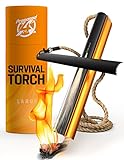
To make lighting your tinder easier, a good camping fire starter kit can be incredibly helpful, especially in less-than-ideal conditions.
6. Add kindling:
- What to do: Once the tinder is burning well, gently add small pieces of kindling. Don’t smother the flame.
- What “good” looks like: The kindling catches from the tinder and the flames grow stronger.
- A common mistake: Dumping too much kindling on at once, or adding pieces that are too large, starving the flame of oxygen.
7. Add fuel wood:
- What to do: As the kindling burns strongly, start adding your smaller fuel wood. Place it so air can circulate.
- What “good” looks like: The fire is now producing a good flame and heat, with larger pieces of wood catching.
- A common mistake: Adding large logs too early. The fire needs to be well-established before you try to burn bigger pieces.
8. Maintain the fire:
- What to do: Add fuel wood as needed to keep the fire going. Keep the fire size manageable.
- What “good” looks like: A controlled fire that provides warmth and light without getting out of hand.
- A common mistake: Letting the fire get too big. Bigger fires are harder to control and require more wood.
9. Never leave unattended:
- What to do: Stay present. Keep an eye on the fire and its surroundings.
- What “good” looks like: Someone is always within sight and earshot of the fire.
- A common mistake: Stepping away to do dishes, go for a walk, or take a nap. Even a minute is too long.
10. Extinguish completely:
- What to do: Pour water on the fire, stirring the embers and ashes with a shovel. Repeat until everything is cold to the touch.
- What “good” looks like: No glowing embers, no smoke, and the ashes are cool enough to touch with your bare hand.
- A common mistake: Thinking it’s “out” because the flames are gone. Hot embers can reignite hours later.
Common mistakes (and what happens if you ignore them)
| Mistake | What it causes | Fix |
|---|---|---|
| Not checking fire restrictions | Fines, forced to put out fire, wildfire, arrest | Always check current restrictions for the area before you leave home. |
| Building a new fire ring | Scarring the land, increased wildfire risk, damage to habitat | Use established fire rings only. Pack out any trash from existing rings. |
| Clearing too small of an area | Sparks escaping, starting a wildfire | Clear a minimum 10-foot radius of all flammable material around the fire pit. |
| Gathering live or green wood | Inefficient burning, lots of smoke, damages trees | Collect only dead, downed, and dry wood. If it snaps easily, it’s probably good. |
| Using wet or damp firewood | Smoldering, smoke, difficult to light, won’t burn hot | Ensure all wood is dry. Store it off the ground if possible. |
| Leaving a fire unattended | Wildfire, property damage, injury, death | Never leave a fire, even for a moment. Assign someone to watch it if you need to step away briefly. |
| Not having water and shovel nearby | Inability to control a flare-up or put out the fire quickly | Keep a full bucket of water and a shovel within arm’s reach at all times. |
| Not extinguishing fire completely | Wildfire, property damage, injury, death | Drown, stir, and feel. Ensure ashes are cold to the touch. Repeat as needed. |
| Burning trash or plastics | Air pollution, toxic fumes, leaves non-burnable residue | Pack out all trash. Only burn natural wood. |
| Letting the fire get too large | Difficult to control, excessive wood consumption, increased wildfire risk | Keep fires to a manageable size for cooking or warmth. |
| Digging a pit instead of using a ring | Soil erosion, damage to underground roots, unnatural appearance | Use existing fire rings. If none exist and fires are permitted, use a fire pan or a mound fire. |
| Burning wood with nails or treated lumber | Toxic fumes, metal debris left behind | Only burn natural, untreated wood gathered from the area. |
Decision rules (simple if/then)
- If fire restrictions are in place, then do not build a fire because it’s illegal and dangerous.
- If the wind is gusting over 15 mph, then reconsider building a fire because embers can travel easily.
- If you are in a highly sensitive ecological area, then consider skipping the fire and using a camp stove because it has less impact.
- If you can’t find an established fire ring, then check with the land manager about acceptable alternatives like a fire pan.
- If you only have green wood, then don’t bother trying to start a fire because it will just smoke and smolder.
- If you see any embers glowing after you think the fire is out, then add more water and stir again because it’s not fully extinguished.
- If your fire starts to spread outside the ring, then immediately use your water and shovel to suppress it and call for help if it’s out of control.
- If you are camping in a very dry environment during fire season, then it’s best to plan on using a camp stove for all cooking needs.
- If you have children or pets with you, then maintain extra vigilance around the fire and keep them at a safe distance.
- If you are unsure about any aspect of fire safety, then err on the side of caution and don’t build a fire.
- If you are in a designated wilderness area, then check specific regulations as fires may be prohibited or require a permit.
- If you find a large amount of trash in an established fire pit, then pack it out with you as part of Leave No Trace principles.
FAQ
How big should my campfire be?
Keep it small and manageable. A fire the size of a dinner plate is usually plenty for cooking or sitting around. Big fires are harder to control and waste wood.
Can I burn logs I find on the ground?
Yes, as long as they are dead, downed, and dry. Don’t cut live trees or branches. And make sure the wood is no bigger than your wrist.
What’s the best way to put out a campfire?
Drown it with water. Stir the ashes and embers with a shovel. Then drown it again. Feel the ashes with your hand to make sure they are cold.
What if I forget to bring water for the fire?
You’re in trouble. Always have a full bucket of water and a shovel right next to the fire. Don’t start a fire without them.
To avoid this common mistake, always have a full collapsible water container and a shovel right next to your fire.
Can I dig a pit to build a fire?
Generally, no. Use existing fire rings. If you must build a fire where none exists and it’s permitted, use a fire pan or a mound fire to minimize impact.
What about campfires in the rain?
Even in the rain, you need to be cautious. Wet wood can be hard to burn, and embers can still smolder under debris. Always follow the same safety steps.
Is it okay to burn my trash in the campfire?
Absolutely not. Burning trash releases toxic fumes and leaves behind unburnable residue. Pack out all your trash.
How do I know if there are fire restrictions?
Check the website of the land management agency (USFS, BLM, NPS, state parks) for the area you’re visiting. Ranger stations are also a good source of current information.
What happens if I start a wildfire?
You’ll face severe penalties, including hefty fines and possible jail time. Plus, you’ll have the guilt of potentially destroying natural areas and endangering lives.
What this page does NOT cover (and where to go next)
- Specific permit requirements for campfires in certain areas.
- Detailed instructions for building a fire in extreme weather conditions (heavy snow, high winds).
- Advanced fire-starting techniques for survival situations.
- The best types of wood for specific cooking applications.
- How to properly store firewood to keep it dry.
- The legal ramifications and penalties for fire violations in detail.