
How to Prevent Tent Condensation
Quick answer
- Vent your tent. Open vents, windows, and doors whenever possible.
- Choose the right tent. Look for tents with good ventilation features.
- Site your tent smart. Pick a spot away from water sources and heavy foliage.
- Pack a footprint. It adds a layer between your tent and the ground.
- Use a microfiber towel. Keep one handy for wiping down the inside.
- Don’t cook inside. Fumes add moisture and heat.
- Seal seams. Ensure your tent’s waterproofing is up to snuff.
- Check the forecast. Anticipate conditions that cause condensation.
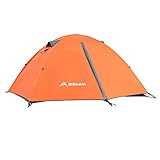
When choosing a tent, prioritize models known for excellent ventilation, like this highly-rated ventilated backpacking tent. Good airflow is your first line of defense against condensation.
What to check first (do this before you drive out)
Before you even think about hitting the road, a little prep goes a long way. Condensation is a pain, but it’s usually manageable with a bit of foresight.
- Land manager / legality: Know who’s in charge. Is it the US Forest Service (USFS), Bureau of Land Management (BLM), National Park Service (NPS), or a state park? Each has its own rules about where you can camp, fire bans, and other regulations. A quick look at their official website is your best bet. It’s not worth a ticket or a bad situation.
- Access/road conditions: Is that dirt road actually passable? Some can turn into mud pits after rain. If you’re in a 2WD car, you might be stuck before you even get close. Check recent reports or call the ranger station. If you’ve got a high-clearance 4×4, you’ve got more options, but still, know your limits. I learned that the hard way once, stuck on a logging road with nothing but pine trees for company.
- Fire restrictions + weather + wind: This is critical. Fire bans are common, especially in dry seasons. Check the local fire danger level. Weather can change fast in the mountains. Rain, fog, and even just high humidity will make condensation worse. Wind can be your friend for ventilation, but too much can make camping miserable.
- Water plan + waste plan (Leave No Trace): Where will you get water, and how will you treat it? Don’t assume streams are safe. Pack a filter or purification tablets. And for waste, pack it in, pack it out. This includes food scraps, wrappers, and even toilet paper. LNT principles are non-negotiable.
- Safety (wildlife, distance to help, comms): Be aware of the local wildlife. Know what to do if you encounter bears or other animals. How far are you from the nearest town or ranger station? Cell service is often spotty or non-existent in the backcountry. Let someone know your itinerary and when you expect to be back.
Step-by-step (field workflow)
Here’s how to tackle condensation once you’re setting up camp.
1. Choose your spot:
- What to do: Look for a flat, well-drained area. Avoid camping right next to a lake, river, or dense, wet foliage.
- What “good” looks like: A spot that feels relatively dry and open. You can see the sky clearly.
- Common mistake: Picking the “prettiest” spot right by the water’s edge or under a dripping tree. This guarantees a damp morning.
2. Lay your footprint/ground tarp:
- What to do: Place it under your tent. Make sure it doesn’t extend beyond the tent’s rainfly.
- What “good” looks like: A clean, flat layer that protects your tent floor from ground moisture and abrasion.
- Common mistake: Letting the footprint stick out from under the tent. This will collect rain and channel it right under your tent.
To add an essential layer between your tent and the damp ground, consider using a durable tent footprint tarp. This helps protect your tent floor and reduces ground moisture transfer.

3. Pitch your tent:
- What to do: Set up the inner tent first.
- What “good” looks like: A taut, well-pitched inner tent with no sagging.
- Common mistake: Rushing this and leaving the inner tent loose. This can lead to poor ventilation and a less stable structure.
4. Open all vents:
- What to do: Unzip all mesh vents on the tent body and rainfly.
- What “good” looks like: You can see daylight through the mesh. Air is clearly circulating.
- Common mistake: Leaving vents zipped up to “keep bugs out.” Bugs are less of an issue than a swampy tent.
5. Attach the rainfly:
- What to do: Secure the rainfly over the inner tent. Ensure it’s tensioned correctly.
- What “good” looks like: The rainfly is taut, with good clearance between it and the inner tent. No fabric is touching.
- Common mistake: Not fully extending or tensioning the rainfly. This can cause condensation to form on the rainfly and drip inside.
6. Open rainfly doors/windows:
- What to do: If your rainfly has roll-up sections or vents, open them up as much as the weather allows.
- What “good” looks like: You’ve maximized airflow while still providing protection from rain.
- Common mistake: Keeping the rainfly doors fully zipped and closed to block out perceived drafts. This kills ventilation.
7. Manage interior moisture:
- What to do: Keep wet gear outside or in a vestibule. Use a microfiber towel to wipe down any dew or condensation that forms.
- What “good” looks like: The inside of your tent stays as dry as possible.
- Common mistake: Bringing damp clothes, shoes, or gear inside the main sleeping area. This immediately adds moisture.
8. Vent at night:
- What to do: Before you go to sleep, double-check that all vents are open.
- What “good” looks like: You’re ready for a full night of air circulation.
- Common mistake: Forgetting to check vents in the dark or assuming they’re still open.
9. Morning check and wipe-down:
- What to do: As soon as you wake up, check for condensation. Wipe down any moisture with your towel.
- What “good” looks like: A quick, efficient wipe-down that removes moisture before it pools.
- Common mistake: Leaving condensation to sit and soak into the tent fabric, making it harder to dry later.
10. Air out the tent:
- What to do: When packing up, if conditions allow, let the tent air out for a bit before stuffing it.
- What “good” looks like: The tent fabric feels dry or at least not damp.
- Common mistake: Stuffing a damp tent into its bag. This is a fast track to mildew.
Common mistakes (and what happens if you ignore them)
| Mistake | What it causes | Fix |
|---|---|---|
| Camping too close to water/heavy foliage | Increased humidity, dew formation, and ground moisture. | Choose drier, more open spots. |
| Letting footprint extend beyond the tent | Rain collects and channels under your tent floor. | Trim the footprint so it’s smaller than the tent. |
| Not pitching the tent taut | Poor airflow, sagging fabric that can touch the inner tent. | Ensure all guylines and stakes are used to create a tight, well-shaped shelter. |
| Keeping all vents zipped shut | Traps warm, moist air inside, creating a humid microclimate. | Open all mesh vents and rainfly vents as much as weather permits. |
| Bringing wet gear inside the sleeping area | Introduces immediate moisture, raising humidity levels significantly. | Store wet gear in vestibules or outside the tent. |
| Cooking inside a tent | Combustion creates water vapor and carbon dioxide, drastically increasing humidity. | Cook in a designated area outside the tent, or at least in a well-ventilated vestibule. |
| Not wiping down condensation in the morning | Moisture seeps into fabric, promotes mildew, and makes drying difficult. | Use a microfiber towel to wipe down all interior surfaces as soon as you wake up. |
| Stuffing a damp tent into its bag | Leads to mildew, odor, and premature fabric degradation. | Always try to dry your tent as much as possible before packing it away. |
| Not using guylines to create rainfly tension | Rainfly sags, can touch the inner tent, and reduces airflow. | Properly stake out and tension all guylines to maintain clearance. |
| Ignoring the forecast for rain or fog | Leads to being unprepared for high humidity conditions that cause condensation. | Check weather forecasts and pack accordingly, especially regarding ventilation and drying tools. |
| Using a tent with poor ventilation design | Inherently struggles to manage moisture, regardless of other efforts. | Invest in tents known for good airflow and multiple ventilation options. |
If you’re consistently battling condensation, it might be time to upgrade to a tent with superior ventilation design, such as this well-ventilated backpacking tent, which can make a significant difference.
Decision rules (simple if/then)
- If the forecast calls for rain or fog, then increase ventilation by opening rainfly vents and doors as much as possible because these conditions elevate humidity.
- If you’re camping in a humid environment (like a rainforest or near a large body of water), then be extra diligent about venting and wiping down the tent because moisture will be higher.
- If you see dew forming on the outside of your tent early in the morning, then it’s a good sign condensation will be an issue inside too, so be ready to wipe it down.
- If you have a double-wall tent, then ensure there’s good space between the inner tent and the rainfly because this air gap is crucial for insulation and ventilation.
- If you’re in a cold environment, then expect more condensation because your warm breath inside the tent will hit the cooler tent fabric and turn to liquid.
- If your tent is pitched in a slight depression, then be extra mindful of ground moisture and consider an additional ground cloth or footprint because water can pool there.
- If you’re using a single-wall tent, then be prepared for higher levels of condensation because they lack the insulating air gap of double-wall designs.
- If you’re sharing a tent with others, then remind everyone to keep wet gear outside because multiple people breathing and moving around adds more moisture.
- If you notice your tent fabric feels damp to the touch, then try to air it out for a while before packing it away if conditions allow, because stuffing it wet invites mildew.
- If you’re in a breezy spot, then use it to your advantage by keeping vents open because the wind will help carry moisture away.
- If you can see your breath inside the tent, then the humidity is high and condensation is likely forming.
- If you’re traveling in shoulder seasons (spring/fall), then be prepared for temperature swings that can cause condensation.
FAQ
Will a good tent completely stop condensation?
No tent is truly “condensation-proof.” It’s about managing moisture. Good tents are designed for maximum ventilation, which is your best defense.
Is condensation bad for my tent?
A little condensation is usually fine. However, persistent dampness can lead to mildew, which damages fabric and causes odors. It also makes the tent feel colder.
How does my own breathing cause condensation?
Your breath is warm and humid. When it hits the cooler fabric inside your tent, the water vapor condenses into liquid droplets, just like on a cold glass.
Can I use a tarp over my tent to stop condensation?
A tarp over your tent can help with rain, but it can actually trap moisture and increase condensation if not set up with excellent airflow. It’s usually better to rely on the tent’s design.
What’s the difference between condensation and rain getting in?
Condensation forms on the inside of your tent due to moisture from your breath and the environment. Rain is water coming from the outside through leaks or poor rainfly coverage.
Should I leave my tent doors open all night?
As much as the weather allows. If it’s not raining or excessively windy, keeping mesh doors and rainfly vents open is ideal for ventilation. Use bug netting to keep critters out.
Does a footprint prevent condensation?
A footprint primarily protects your tent floor from abrasion and ground moisture. While it adds a barrier, it doesn’t directly prevent condensation caused by breathing or humidity.
How can I dry my tent if it gets wet?
The best way is to set it up in direct sunlight and wind. If that’s not possible, try to air it out as much as you can before packing it. Always dry it thoroughly at home.
What this page does NOT cover (and where to go next)
This guide focuses on managing condensation within your tent. For broader camping knowledge, consider these topics:
- Selecting the right tent for your specific camping environment and conditions.
- Advanced tent pitching techniques for various terrains and weather.
- Proper tent care and maintenance to extend its lifespan.
- Packing strategies for keeping gear dry and organized in the backcountry.
- Dealing with extreme weather conditions beyond typical condensation issues.