
Using a Camping Coffee Pot
Quick answer
- Pick the right pot for your setup: percolator, French press, or pour-over.
- Get your water hot, but don’t boil it for too long.
- Use the right grind – coarser for percolators, finer for French press.
- Measure your coffee and water. Ratio is key.
- Keep it clean. Coffee oils build up fast.
- Be patient. Good coffee takes a minute.
What to check first (do this before you drive out)
Before you even think about brewing, get your ducks in a row. This isn’t rocket science, but a little prep saves a lot of hassle.
- Land manager / legality: Who owns the dirt you’re camping on? US Forest Service (USFS), Bureau of Land Management (BLM), National Park Service (NPS), state parks, or private land. Each has rules. Know them. It’s usually on their website. Ignorance ain’t bliss here.
- Access/road conditions: Can your rig actually get there? A Subaru might be fine on a dirt road, but a sedan might get stuck. Check for washouts, mud, or snow. If it’s a high-clearance or 4WD road, make sure you’ve got the right vehicle. I learned that lesson the hard way with a blown tire miles from anywhere.
- Fire restrictions + weather + wind: This is a big one. Fire bans are no joke. Check the local ranger district or park website. Also, look at the forecast. High winds can make fires tricky and ruin your morning brew. Rain? Get a tarp.
- Water plan + waste plan (Leave No Trace): Where are you getting your water? Is it potable? Filter it if you’re not sure. And what about cleaning your coffee pot? Pack out all your grounds and rinse water away from water sources. Leave it better than you found it. That’s the deal.
- Safety (wildlife, distance to help, comms): Are there bears? Know what to do. How far is the nearest town or ranger station? Cell service spotty? Tell someone where you’re going and when you’ll be back. Basic stuff, but crucial.
Step-by-step (field workflow)
Let’s get to the good stuff. Brewing coffee in the wild. It’s a ritual.
1. Gather your gear.
- What to do: Lay out your coffee pot, coffee grounds, water, heat source (stove or campfire), and a mug.
- What “good” looks like: Everything is within easy reach. No digging through your pack for the coffee scoop.
- Common mistake: Forgetting the fuel for your stove. Happens to the best of us. Double-check your fuel level before you leave home.
2. Start your water.
- What to do: Measure your water and pour it into your coffee pot. Put it on your heat source.
- What “good” looks like: Water is heating up steadily. You’re not trying to rush it with a massive flame.
- Common mistake: Using too much water. You’ll end up with weak coffee or a boil-over. Measure carefully.
3. Prepare your coffee grounds.
- What to do: Measure your coffee. For a percolator, use a coarse grind. For a French press, a coarse to medium grind.
- What “good” looks like: Grounds are ready to go. The grind size is appropriate for your pot.
- Common mistake: Using pre-ground coffee meant for a drip machine. It’ll clog up a percolator or make French press sludge.
4. Add coffee to the pot (percolator).
- What to do: Once the water is hot (but not boiling), carefully add your coffee grounds to the basket.
- What “good” looks like: Grounds are in the basket, not floating loose. The basket is seated correctly.
- Common mistake: Overfilling the basket. This can lead to grounds getting into your coffee.
5. Brew (percolator).
- What to do: Put the lid on the percolator and let it brew. You’ll hear it gurgling.
- What “good” looks like: A steady, rhythmic gurgle. Not a violent boil. Aim for 5-10 minutes, depending on your pot and desired strength.
- Common mistake: Boiling it too hard. This burns the coffee and makes it bitter. Keep the heat moderate.
6. Brew (French press).
- What to do: Once the water is hot (just off the boil), pour it over the grounds in the French press. Stir gently. Let it steep for 4 minutes.
- What “good” looks like: A nice bloom on the coffee. Even steeping.
- Common mistake: Not letting it steep long enough. Weak coffee. Or steeping too long, making it bitter.
For a rich, full-bodied cup, consider using a portable French press like this one, which is perfect for camping.

7. Press (French press).
- What to do: Slowly and steadily press the plunger all the way down.
- What “good” looks like: Smooth, even pressure. No grounds getting past the filter.
- Common mistake: Pressing too fast. This can force grounds through the filter or make a mess.
8. Pour and enjoy.
- What to do: Carefully pour your hot coffee into your mug.
- What “good” looks like: A steaming mug of delicious coffee. You earned it.
- Common mistake: Pouring too quickly, especially from a percolator, which can slosh hot coffee.
9. Clean up.
- What to do: Empty grounds into your trash bag (pack ’em out!). Rinse your pot thoroughly.
- What “good” looks like: Pot is clean and dry, ready for the next use. No leftover grounds.
- Common mistake: Leaving grounds in the pot. They’ll get crusty and hard to clean later.
Common mistakes (and what happens if you ignore them)
| Mistake | What it causes | Fix |
|---|---|---|
| Using pre-ground coffee for percolator | Clogged basket, weak or muddy coffee | Use coarse-ground coffee, specifically for percolators. |
| Boiling coffee grounds too hard | Bitter, burnt taste | Keep heat moderate, aim for a gentle gurgle, not a rolling boil. |
| Not measuring coffee/water | Inconsistent strength, weak or too strong coffee | Use a consistent ratio. A good starting point is 1:15 (coffee:water). |
| Forgetting fuel for stove | No hot water, no coffee | Double-check fuel levels and pack extra if unsure. |
| Not cleaning pot immediately | Stubborn, hard-to-remove coffee oil buildup | Rinse thoroughly with hot water right after use. |
| Using fine grounds in French press | Grounds in your cup, difficult to press | Use a coarse to medium grind for French press. |
| Rushing the brewing process | Under-extracted (weak) or over-extracted (bitter) | Be patient. Follow recommended brew times for your pot type. |
| Not checking fire restrictions | Fines, fire ban violation, potential wildfire | Always check official sources before you go. |
| Improper waste disposal of grounds | Unsightly campsites, attracts animals, violates LNT | Pack out all coffee grounds and used filters. |
| Using dirty water | Upset stomach, potential illness | Filter or treat all water used for drinking and cooking. |
Decision rules (simple if/then)
- If you’re car camping with a cooler and don’t mind a few extra items, then a stovetop percolator or French press is a solid choice because they are durable and make a good amount.
- If you’re backpacking and weight is critical, then a lightweight pour-over setup with filters is your best bet because it’s compact and requires minimal cleanup.
- If you have a campfire and want that classic smoky flavor, then a well-seasoned cowboy coffee pot (or just a pot with a lid) can work, but be prepared for a bit more sediment.
- If you’re new to camping coffee, then start with a simple French press because it’s forgiving and relatively easy to use.
- If the wind is howling, then skip the campfire brew and use a reliable camping stove because it’s safer and more consistent.
- If you’re in an area with strict fire bans, then a battery-powered or propane coffee maker is your only option for hot coffee because open flames are prohibited.
- If you want the cleanest cup, then a pour-over with a good filter will give you the smoothest result because it catches most of the oils and fine particles.
- If you find yourself with weak coffee, then next time, either add more grounds or use slightly less water because your ratio was likely off.
- If your coffee tastes bitter, then next time, use a coarser grind, slightly cooler water, or a shorter brew time because you’re likely over-extracting.
- If you’re camping with a group, then a larger percolator or a couple of French presses will serve everyone better than a single-serving pour-over because it’s more efficient.
- If you forget your coffee scoop, then use a tablespoon you brought for cooking because it’s better than guessing.
- If your coffee pot is looking grimy, then a soak with a bit of baking soda and hot water can help break down stubborn residue because it’s a mild abrasive and deodorizer.
FAQ
What kind of coffee pot is best for camping?
It depends on your needs. Percolators are classic and durable for car camping. French presses are good for a rich cup. Pour-overs are lightweight for backpacking.
Do I need a special grinder for camping?
A manual burr grinder is best for consistent results, especially for French press. For percolators, pre-ground coarse coffee is fine.
How much coffee do I use?
A good starting point is a 1:15 ratio of coffee to water by weight. That’s about 2 tablespoons of coffee for every 6 ounces of water. Adjust to your taste.
Can I use my home coffee maker camping?
Sure, if you have a portable power source and it’s designed for travel. However, dedicated camping coffee makers are often more robust and easier to clean in the field.
What if I don’t have a coffee pot?
You can make “cowboy coffee” by boiling grounds directly in a pot and letting them settle. Or use a simple cloth filter. It’s rustic, but it works.
How do I clean my camping coffee pot?
Rinse it thoroughly with hot water immediately after use. For stubborn residue, use a bit of biodegradable soap or baking soda. Make sure it’s completely dry before packing.
Is it okay to leave coffee grounds in the pot overnight?
No. It makes them crusty and hard to clean. It also attracts critters. Pack them out with your trash.
What’s the best way to heat water for coffee?
A portable camping stove is most reliable. A campfire works too, but can be less consistent and requires more attention.
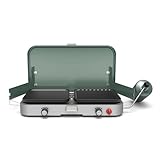
For reliable and consistent heat to brew your coffee, a portable camping stove is an excellent choice.
What this page does NOT cover (and where to go next)
- Specific campsite reservation systems.
- Detailed bear safety protocols.
- How to build a backcountry fire from scratch.
- Advanced water purification techniques.
- Legal regulations for foraging wild coffee beans (just kidding… mostly).
Next, you might want to look into choosing the right camping stove, packing a comprehensive first-aid kit, or understanding Leave No Trace principles in more detail.

Camping Bob has spent over 20 years camping across the US — from BLM dispersed sites in the Southwest to KOA campgrounds in the Pacific Northwest. He writes practical, no-nonsense guides to help fellow campers get outdoors with confidence.