
How to Open A Campground Business: Step-by-Step Guide
Quick answer
- Scout locations that scream “camping.” Think nature, views, and good vibes.
- Understand the local rules. Zoning, permits – the boring stuff matters.
- Plan your amenities. Bathrooms, water, fire pits. Keep it simple to start.
- Build a solid business plan. Know your costs, your customers, and your profit.
- Secure funding. Loans, investors, or your own cash – have a plan.
- Get your permits. This is where the paperwork monster lives.
- Market smart. Tell people why your spot is the place to be.
- Open your doors and keep improving. Happy campers come back.
What to check first (do this before you drive out)
Before you even think about putting up a sign, you gotta do your homework. This isn’t just about finding a pretty spot; it’s about making sure it’s legal and practical.
- Land manager / legality: Who actually owns the land? Is it federal (like US Forest Service or BLM land), state park, private, or something else? Each has different rules. You can’t just set up shop anywhere. Check with the local county or city planning department to understand zoning laws. This is the bedrock of your operation.
- Access/road conditions: Can people actually get to your campground? Think about the roads leading in. Is it paved, gravel, or just a dirt track? Will a standard sedan make it, or do you need 4WD? Consider seasonal issues like mud, snow, or washouts. If it’s a nightmare to get to, folks will skip it.
- Fire restrictions + weather + wind: This is a biggie, especially out West. What are the current fire restrictions? Are campfires even allowed? Check the local fire department and land manager websites. Also, consider the typical weather patterns for your chosen season. Is it prone to extreme heat, cold, heavy rain, or high winds? You need to plan for safety and comfort.
- Water plan + waste plan (Leave No Trace): How will campers get clean water? Is there a well, a municipal hookup, or will they need to bring their own? Equally important: where does the waste go? Think about toilets – vault toilets, flush toilets, or even composting systems. Proper waste disposal is crucial for keeping your site clean and respecting the environment. Leave No Trace principles aren’t just for hikers; they apply to campgrounds too.
- Safety (wildlife, distance to help, comms): What kind of wildlife is in the area? Bears, snakes, coyotes? You need to educate your campers on how to be safe and store food properly. How far is the nearest hospital or emergency services? What about cell service? If you’re in a dead zone, you need a plan for emergencies. Maybe a satellite phone or a dedicated emergency contact system.
Step-by-step (field workflow)
Alright, you’ve done the initial checks. Now let’s get down to building this thing.
1. Define your niche.
- What to do: Decide what kind of campground you want to be. Rustic? Glamping? Family-friendly? RV-focused?
- What “good” looks like: You have a clear vision that sets you apart. For example, “a quiet, nature-focused retreat for hikers” or “a lively spot with amenities for families.”
- Common mistake: Trying to be everything to everyone. This dilutes your brand and can lead to overspending on features you don’t really need. Stick to your core concept.
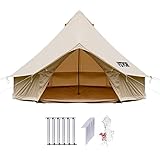
If you’re aiming for a more luxurious experience, consider investing in high-quality glamping bell tents to attract a specific niche.
2. Scout and secure your land.
- What to do: Find a piece of land that fits your niche and meets the initial checks.
- What “good” looks like: You’ve found a property with good natural features, decent access, and you’ve confirmed it’s legally developable for camping.
- Common mistake: Falling in love with a spot without verifying zoning and permits. You might end up with a beautiful piece of land you can’t legally use for your business.
3. Develop a detailed business plan.
- What to do: Outline your market, competition, operations, marketing strategy, and financial projections.
- What “good” looks like: A comprehensive document that clearly shows how you’ll make money and what your startup costs are. It’s your roadmap.
- Common mistake: Underestimating startup costs and operating expenses. Be realistic, then add a buffer.
4. Determine your funding needs and secure capital.
- What to do: Figure out how much money you need for land, development, permits, and initial operations. Then, find that money.
- What “good” looks like: You have a clear funding strategy, whether it’s personal savings, bank loans, or investors.
- Common mistake: Not having enough startup capital. Running out of cash before you’re established is a quick way to fail.
5. Navigate zoning and permitting.
- What to do: Work with local authorities to get all necessary permits and approvals. This can be a long haul.
- What “good” looks like: You have all the official paperwork in hand, allowing you to legally build and operate.
- Common mistake: Rushing this process or trying to cut corners. Skipping permits can lead to hefty fines and shutdowns.
6. Design and develop your campground.
- What to do: Plan the layout – campsites, roads, common areas, facilities. Then, build it.
- What “good” looks like: Well-designed, functional sites that are easy to navigate and offer a good camping experience. Minimal environmental impact.
- Common mistake: Poor site layout. Cramped spaces, awkward access, or insufficient amenities lead to unhappy campers.
7. Install essential infrastructure.
- What to do: Set up water, wastewater, electricity (if offering hookups), and access roads.
- What “good” looks like: Reliable utilities and well-maintained roads that can handle your expected traffic.
- Common mistake: Cutting corners on infrastructure. A leaky water system or potholed roads will create constant headaches.
8. Equip and furnish.
- What to do: Get picnic tables, fire rings, trash cans, signage, and any other necessary equipment.
- What “good” looks like: Durable, functional equipment that enhances the camper experience and fits your brand.
- Common mistake: Using cheap, flimsy equipment that breaks quickly. It looks bad and costs more in the long run.
9. Develop your operational procedures.
- What to do: Create rules for campers, check-in/check-out processes, cleaning protocols, and emergency plans.
- What “good” looks like: Clear, fair policies that ensure a safe and enjoyable experience for everyone.
- Common mistake: Not having clear rules. This leads to confusion, conflicts, and a breakdown of order.
10. Market your campground.
- What to do: Build a website, use social media, and connect with outdoor enthusiasts.
- What “good” looks like: You’re generating interest and bookings before you even open.
- Common mistake: Waiting until you’re open to start marketing. You need to build buzz beforehand.
11. Hire and train staff (if needed).
- What to do: Find reliable people who are good with customers and understand your campground’s values.
- What “good” looks like: A friendly, competent team that makes campers feel welcome and well-cared for.
- Common mistake: Hiring the wrong people. Bad staff can ruin the customer experience faster than anything.
12. Open for business!
- What to do: Welcome your first campers.
- What “good” looks like: A smooth opening day with happy campers and minimal hiccups.
- Common mistake: Expecting perfection. There will be kinks to work out, but stay flexible and learn.
Common mistakes (and what happens if you ignore them)
| Mistake | What it causes | Fix |
|---|---|---|
| Ignoring zoning and permit requirements | Fines, legal battles, forced closure, wasted investment | Thoroughly research and comply with all local regulations. |
| Underestimating startup and operating costs | Running out of money, inability to complete development, bankruptcy | Create a detailed budget, get multiple quotes, add a contingency fund. |
| Poor site selection (bad access/features) | Low occupancy, negative reviews, difficulty attracting campers | Prioritize accessibility, natural beauty, and amenities relevant to your niche. |
| Inadequate infrastructure (water/waste) | Health hazards, environmental damage, unhappy campers, shutdowns | Invest in reliable, compliant water and waste management systems. |
| Lack of clear operational policies | Conflicts between campers, safety issues, damage to property | Develop and clearly communicate campground rules and expectations. |
| Insufficient marketing or bad branding | Low bookings, inability to attract target audience | Develop a strong online presence and targeted marketing campaigns. |
| Cutting corners on safety measures | Accidents, injuries, liability issues, reputational damage | Prioritize safety in design, operations, and camper education. |
| Neglecting customer service | Negative reviews, low repeat business, poor word-of-mouth | Train staff to be friendly, helpful, and responsive to camper needs. |
| Over-developing too early | High initial costs, potential for unused facilities, cash flow issues | Start with essentials and expand based on demand and profitability. |
| Ignoring environmental impact | Damage to local ecosystems, regulatory issues, bad publicity | Implement Leave No Trace principles and sustainable practices. |
Decision rules (simple if/then)
- If the land requires extensive clearing or grading, then re-evaluate the cost versus benefit because significant earthmoving drives up startup expenses and environmental impact.
- If cell service is nonexistent, then plan for alternative communication methods for emergencies because you need a way to contact help.
- If the primary access road is unpaved and prone to washouts, then assess the cost of improvement or consider it a deal-breaker unless your niche is for rugged adventurers, because consistent access is key.
- If local fire restrictions are frequent and severe, then consider offering alternative cooking options like propane stoves or grills because relying solely on campfires might be unsustainable.
- If the nearest town is more than 30 minutes away, then ensure you have adequate supplies on-site for basic needs and emergencies because campers will expect some level of convenience.
- If your target demographic is families with young children, then prioritize safety features like clear sightlines, child-proofed common areas, and proximity to restrooms because their peace of mind is paramount.
- If you plan to offer RV hookups, then verify the capacity of local utility services (power, water, sewer) to support your planned development because you can’t just magically create capacity.
- If the land is prone to flooding, then avoid low-lying areas for campsites and infrastructure because flood damage is costly and dangerous.
- If your business plan relies heavily on walk-in traffic, then ensure the location is easily accessible and highly visible because people need to be able to find you easily.
- If you’re considering a remote, off-grid location, then budget for robust off-grid systems (solar, water catchment, composting toilets) because self-sufficiency comes with upfront and ongoing costs.
- If your initial market research shows a saturated market for basic tent camping, then focus on a niche like glamping or specialized activities (e.g., equestrian camping) because differentiation is vital.
- If you can’t secure all the necessary permits within a reasonable timeframe, then be prepared to walk away from the deal because legal roadblocks can kill a business before it starts.
For remote, off-grid locations, a reliable portable solar generator can provide essential power for campers and staff alike.

FAQ
How much money does it cost to open a campground?
Costs vary wildly, from tens of thousands for a small, rustic operation to millions for a full-service RV resort. Think land, development, permits, and initial operating capital.
What are the most important permits for a campground?
You’ll likely need zoning permits, land-use permits, health department permits (especially for water and waste), and potentially building permits. Always check local and state requirements.
Can I open a campground on my own property?
Maybe, but you absolutely need to check local zoning laws. Many residential areas don’t allow commercial campgrounds, even on private land.
What are the biggest challenges in running a campground?
Seasonality, weather, maintenance, staffing, and dealing with a wide range of camper expectations are common hurdles. It’s a lot of hands-on work.
How do I attract campers to a new campground?
Build a great website, use social media, partner with local tourism boards, and focus on what makes your campground unique. Word-of-mouth is huge, so make early campers happy.
Do I need to be an expert camper myself?
It helps a ton. Understanding the camper experience from the ground up lets you anticipate needs and avoid common pitfalls. You’ll build a better place if you’ve slept in a tent or RV yourself.
What’s the difference between a campground and an RV park?
Generally, RV parks cater specifically to recreational vehicles and often offer full hookups (water, sewer, electricity). Campgrounds can be more varied, often including tent sites and fewer amenities.
How can I make my campground more profitable?
Offer additional services like firewood sales, equipment rentals, guided tours, or a small camp store. Focus on excellent customer service to encourage repeat business.
What about insurance for a campground?
You’ll need general liability insurance, property insurance, and potentially workers’ compensation if you have employees. Talk to an insurance agent specializing in hospitality businesses.
When is the best time to start planning a campground?
As early as possible! The planning, permitting, and development phases can take years. Don’t rush it; a solid foundation is crucial.
What this page does NOT cover (and where to go next)
- Detailed financial modeling and loan applications. (Next: Consult with a business banker and accountant.)
- Specific legal requirements for business structures (LLC, S-corp, etc.). (Next: Seek advice from a business attorney.)
- Advanced marketing strategies like SEO and paid advertising. (Next: Explore digital marketing resources.)
- Detailed campsite design and engineering. (Next: Consult with land planners and civil engineers.)
- Specific environmental impact assessments for your chosen site. (Next: Engage with environmental consultants.)

Camping Bob has spent over 20 years camping across the US — from BLM dispersed sites in the Southwest to KOA campgrounds in the Pacific Northwest. He writes practical, no-nonsense guides to help fellow campers get outdoors with confidence.