
How to Make a Traditional Cowboy Bedroll
Quick answer
- Gather canvas, wool blankets, and a tarp.
- Roll blankets tightly within the canvas.
- Secure with straps or rope.
- Pack it down for easy transport.
- Protect from rain with a tarp.
- Practice rolling before hitting the trail.
What to check first (do this before you drive out)
Before you even think about rolling out your bedroll, a little prep work is key. This isn’t just about comfort; it’s about safety and being a good steward of the land.
- Land manager / legality: Who’s running the show out there? Is it the Forest Service, BLM, a state park, or private land? Each has its own set of rules. You don’t want to set up camp only to find out you’re in the wrong spot or breaking a rule. A quick look at the agency’s website or a call can save you headaches.
- Access/road conditions: Can your rig actually get there? Some backcountry roads are rough. Think about clearance, four-wheel drive needs, and whether recent rain has turned things into a mud pit. A sedan might be fine for some spots, but others demand a high-clearance 4×4.
- Fire restrictions + weather + wind: This is a big one. Check for fire bans – they’re serious business. Look at the weather forecast, especially for temperature drops overnight and any chance of rain or snow. Wind can make a surprisingly cold night even colder.
- Water plan + waste plan (Leave No Trace): Where will you get water? Will you need to filter or treat it? And what about waste? Pack it in, pack it out. This applies to everything, including food scraps and toilet paper. Leave your campsite cleaner than you found it. That’s the cowboy way, and the Leave No Trace way.
- Safety (wildlife, distance to help, comms): What critters share the land? Know what to do about bears, snakes, or other local wildlife. How far are you from the nearest ranger station or town? And what’s your communication plan? Cell service is a luxury, not a guarantee. Consider a satellite messenger if you’re heading deep into the sticks.
Step-by-step (field workflow)
Rolling a proper cowboy bedroll is an art, but it’s one you can master. It’s about efficiency and keeping you warm.
1. Lay out your canvas: Start with a good, heavy-duty canvas tarp. This is your outer shell, your weather shield.
- Good looks like: A flat, clean surface, large enough to cover your blankets comfortably.
- Common mistake: Using a flimsy tarp that rips easily. Avoid this by inspecting your canvas before you head out.
For your outer shell, consider a durable waterproof camping tarp to ensure maximum protection against the elements.
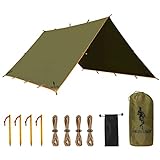
2. Arrange your wool blankets: Lay your wool blankets inside the canvas. Wool is king for warmth, even when damp.
- Good looks like: Blankets layered neatly, extending beyond the edges of the canvas slightly to ensure full coverage.
- Common mistake: Not using enough blankets, or using synthetic materials that don’t insulate well when wet. Stick to wool if you can.
3. Fold the canvas ends: Fold in the ends of the canvas tarp over the blankets. This creates a sealed foot or head section.
- Good looks like: A neat, secure fold that won’t unravel.
- Common mistake: Leaving the ends too loose, allowing wind and rain to sneak in. Make sure it’s snug.
4. Begin the roll: Start rolling from one side, keeping it as tight as possible. Think of it like rolling a giant burrito.
- Good looks like: A firm, compact cylinder with no air pockets.
- Common mistake: Rolling too loosely, which makes the bedroll bulky and less effective at retaining heat. Tight is right.
5. Keep it tight as you go: Continue rolling, tucking in any loose edges of the blankets and canvas.
- Good looks like: A consistent, even roll all the way to the end.
- Common mistake: Letting the blankets bunch up or the canvas wrinkle. This leads to an uneven, less protective roll.
6. Secure the roll: Once rolled, use straps, ropes, or leather ties to cinch it down.
- Good looks like: Multiple tie-down points that keep the roll from unfurling.
- Common mistake: Not using enough ties, or ties that are too weak. A loose bedroll is a pain to carry and won’t stay rolled.
7. Wrap with an outer tarp (optional but recommended): For extra weather protection, especially in wet conditions, wrap the entire rolled bedroll in another tarp.
- Good looks like: The outer tarp is secured tightly around the bedroll, covering all seams.
- Common mistake: Not securing the outer tarp well, allowing it to flap and expose the bedroll.
For that extra layer of defense against rain and dew, wrapping your entire bedroll in a high-quality waterproof camping tarp is a smart move.
8. Pack it out: Load your bedroll onto your pack animal, into your vehicle, or carry it to your campsite.
- Good looks like: The bedroll is securely attached and balanced.
- Common mistake: Just tossing it wherever. A well-packed bedroll is easier to manage.
Common mistakes (and what happens if you ignore them)
| Mistake | What it causes | Fix |
|---|---|---|
| Using synthetic blankets | Poor insulation when damp, can feel clammy, less durable. | Stick to 100% wool for best warmth and moisture handling. |
| Not using enough blankets | You’ll be cold, especially on a chilly night. | Layer generously. Better to have too much than too little. |
| Rolling too loosely | Bulky, hard to carry, air pockets that let cold in. | Roll as tightly as you can, compressing it as you go. |
| Leaving canvas ends open | Wind and rain get in, making your bedroll useless. | Fold and secure the canvas ends tightly before rolling. |
| Not securing the roll properly | It unfurls on its own, leaving you with a mess and no warmth. | Use multiple, strong straps or ropes and cinch them down hard. |
| Forgetting an outer tarp in wet weather | Your blankets get soaked, you get cold, and it takes forever to dry. | Always pack a waterproof tarp for an outer wrap when rain is in the forecast. |
| Not testing your roll technique at home | You’ll struggle and waste time when you’re tired and ready to set up camp. | Practice rolling it a few times before your trip. |
| Not checking the weather | You’ll be caught off guard by unexpected cold, rain, or high winds. | Always check the forecast for your specific location and plan accordingly. |
| Ignoring fire restrictions | Fines, damage to the land, and a really bad reputation. | Know the rules for the area you’re visiting and adhere to them strictly. |
| Not packing out all trash | Pollutes the environment and disrespects the land and other campers. | Pack out everything you pack in, including food scraps and hygiene products. |
To avoid a soaked bedroll, always pack a reliable waterproof camping tarp for an outer wrap when there’s any chance of rain.
Decision rules (simple if/then)
- If the forecast calls for rain, then add an extra waterproof tarp to your gear because a dry bedroll is a warm bedroll.
- If you’re heading to high altitudes, then pack more wool blankets because it gets colder faster up high.
- If the wind is predicted to be strong, then make sure your bedroll is rolled extra tight and secured with robust ties because wind steals heat.
- If you’re car camping and space isn’t an issue, then you can afford to bring more blankets than you think you’ll need because it’s better to be overprepared for warmth.
- If you’re backpacking and weight is a concern, then focus on a very tight roll and a single, durable outer tarp because every ounce counts.
- If you’re new to rolling a bedroll, then practice at home first because field improvisation is harder than it looks.
- If you encounter wildlife, then secure your food and bedroll properly because you don’t want critters investigating your sleeping arrangements.
- If you’re unsure about land regulations, then err on the side of caution and check with the land manager because ignorance isn’t a good excuse.
- If the ground is particularly damp or cold, then add an extra layer of canvas or a closed-cell foam pad beneath your bedroll because ground insulation is crucial.
- If you plan on making a fire, then know the current fire restrictions for the area because safety and legality come first.
If the forecast calls for rain, then add an extra waterproof camping tarp to your gear because a dry bedroll is a warm bedroll.
FAQ
How big should the canvas be?
It needs to be big enough to completely wrap your blankets with a little overlap. Think a good 8×10 or larger, depending on your blanket size.
Can I use a sleeping bag inside the bedroll?
Sure, you can. Some folks do this for extra warmth or to keep their sleeping bag cleaner. It adds bulk, though.
What kind of straps are best?
Leather straps with buckles are classic and durable. Heavy-duty nylon webbing straps with quick-release buckles also work great and are lighter.
How do I keep it from getting dirty on the trail?
A good, sturdy outer tarp is your best friend. Wrap it well, and it’ll keep the dust and grime off your main canvas.
Is a cowboy bedroll good for winter camping?
It can be, but you need to pack serious wool. For really cold conditions, modern sleeping bags designed for sub-zero temps might be more practical.
How do I store my bedroll when not in use?
Unroll it and let it air out completely before storing. Keep it in a dry place, maybe in a canvas bag, to protect it from pests and dust.
Can I make a bedroll without canvas?
You can, but canvas is ideal. It’s tough, water-resistant, and breathes well. Other heavy-duty fabrics might work, but canvas is the traditional choice for a reason.
What if I don’t have wool blankets?
Wool is highly recommended, especially for its insulation when wet. If you must use synthetics, layer them up and accept that they won’t perform as well in damp conditions.
What this page does NOT cover (and where to go next)
- Specific campsite recommendations or booking details.
- Advanced knot-tying techniques for securing your roll.
- Detailed historical accounts of cowboy life.
- How to build a campfire (check local fire regulations first!).
- First aid for wilderness emergencies.

Camping Bob has spent over 20 years camping across the US — from BLM dispersed sites in the Southwest to KOA campgrounds in the Pacific Northwest. He writes practical, no-nonsense guides to help fellow campers get outdoors with confidence.