
How Portable Sinks Operate
Quick answer
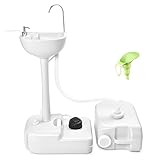
- Portable sinks are self-contained units.
- They have a freshwater tank and a greywater tank.
- A hand pump or foot pump moves water to the faucet.
- Gravity or a small pump empties wastewater.
- They’re ideal for off-grid use or events.
- Setup is usually straightforward.
What to check first (do this before you drive out)
Before you load up your portable sink and head out, a few things need your attention. This isn’t just about having a clean place to wash up; it’s about making sure your setup is legal and responsible.
Before you load up your portable handwashing station and head out, a few things need your attention. This isn’t just about having a clean place to wash up; it’s about making sure your setup is legal and responsible.
- Land manager / legality: Who’s in charge of the land you’re heading to? Is it BLM, USFS, a state park, or private? Different agencies have different rules about what you can and can’t bring, especially regarding water and waste. A quick look at their website or a phone call can save you a headache.
- Access/road conditions: How are you getting there? Is the road paved, gravel, or just a rough track? Some portable sinks are bulky. Make sure your vehicle can handle the terrain and that you have enough clearance. Don’t want to bottom out your rig before you even set up camp.
- Fire restrictions + weather + wind: Always check current fire restrictions. This impacts everything, including whether you can have a campfire or any open flame. Also, check the weather forecast. Strong winds can make a portable sink unstable, especially if it’s not properly secured.
- Water plan + waste plan (Leave No Trace): How much water do you need? A portable sink has a limited freshwater tank. Plan your usage. For waste, where will the greywater go? Most portable sinks have a separate tank for this. Understand how to empty it properly, away from water sources, following Leave No Trace principles.
How much water do you need? A portable handwashing station has a limited freshwater tank. Plan your usage.
- Safety (wildlife, distance to help, comms): Be aware of your surroundings. If you’re in bear country, keep your food and anything with a scent secured. Know how far you are from any ranger station or town. Cell service can be spotty, so consider a satellite communicator if you’re going deep.
Step-by-step (field workflow)
Here’s the rundown on setting up and using your portable sink once you’re at your site.
1. Unpack and inspect: Take everything out of its packaging. Check for any damage from transport.
- Good looks like: All parts are present and undamaged.
- Common mistake: Rushing this and finding a crack or missing part later. Avoid it by doing a quick visual check right away.
2. Assemble the base/legs: Most units have a collapsible frame or legs. Extend them until they lock into place.
- Good looks like: The sink is stable and level.
- Common mistake: Not fully extending or locking the legs. This leads to a wobbly sink.
3. Connect the tanks: Attach the freshwater tank and the greywater tank to their designated spots. Ensure they are securely fastened.
- Good looks like: Tanks are firmly in place and won’t shift.
- Common mistake: Forgetting to secure one of the tanks. This can cause spills.
4. Fill the freshwater tank: Open the cap and fill the freshwater tank with clean water. Don’t overfill.
- Good looks like: The tank is filled to the recommended level, and the cap is sealed tight.
- Common mistake: Using dirty water or leaving the cap off. This contaminates your supply.
5. Connect the pump mechanism: Hook up the hand pump or foot pump to the faucet assembly. Make sure the hose is properly seated.
- Good looks like: The pump engages smoothly and you feel resistance when you operate it.
- Common mistake: Not seating the hose correctly. This means no water will come out.
6. Prime the pump: Operate the pump a few times until water flows freely from the faucet. This gets the water moving through the system.
- Good looks like: A steady stream of water comes out of the faucet.
- Common mistake: Giving up too soon. It can take a few pumps to get all the air out of the lines.
7. Test the faucet: Turn the faucet on and off a few times. Check for leaks around the faucet base or connections.
- Good looks like: Water flows when the faucet is open and stops completely when closed, with no drips.
- Common mistake: Ignoring small drips. They can waste water and create puddles.
8. Position the greywater drain: Ensure the drain hose from the greywater tank is positioned to direct water into an appropriate container or designated disposal area.
- Good looks like: The drain is clear and pointed where you want the wastewater to go.
- Common mistake: Letting the drain hose kink or get blocked. This stops wastewater from draining.
9. Secure the unit: If there’s a chance of wind or if you’re on uneven ground, consider staking down the sink or placing heavy items around its base.
- Good looks like: The sink is stable and won’t tip over.
- Common mistake: Not securing it in windy conditions. A gust can send your sink tumbling.
10. Dispose of greywater responsibly: When the greywater tank is full, or at the end of your use, empty it according to Leave No Trace principles and local regulations.
- Good looks like: Greywater is dispersed at least 200 feet from any water source, trail, or campsite.
- Common mistake: Dumping greywater directly into a lake or stream. This pollutes water sources.
Common mistakes (and what happens if you ignore them)
| Mistake | What it causes | Fix |
|---|---|---|
| Not checking fire restrictions | Fines, wildfire, inability to use any cooking or heating devices. | Always check the local land manager’s website or call the ranger station before you go. |
| Ignoring road conditions | Vehicle damage (flat tires, bent suspension, stuck vehicle), inability to reach site. | Research road conditions, check vehicle suitability (AWD, clearance), and be prepared to turn back if necessary. |
| Using untreated or questionable water | Illness, stomach upset, bad-tasting water. | Use potable water from a known source. If unsure, use a water filter or purification tablets. |
| Overfilling the freshwater tank | Spills, wasted water, potential damage to the tank seal. | Fill to the marked line or leave a few inches of space. |
| Not securing the sink in wind | Sink tipping over, water spilling, potential damage to the sink or surrounding area. | Stake it down, use weights, or position it in a sheltered spot. |
| Improper greywater disposal | Water pollution, damage to vegetation, attracting wildlife, citations. | Disperse at least 200 feet from water, campsites, and trails. Check local regulations for specific disposal sites if available. |
| Forgetting to prime the pump | Frustration, thinking the sink is broken when it’s just air in the lines. | Pump consistently until water flows. It might take a minute. |
| Not checking for leaks after setup | Wasted water, damp camp area, potential erosion if in a sensitive spot. | After filling and priming, check all connections and the faucet for drips. Tighten or reseat hoses as needed. |
| Not bringing enough water | Inability to wash hands, dishes, or meet basic hygiene needs. | Calculate your needs based on the length of your trip and intended uses. Always pack a little extra. |
| Leaving the freshwater tank cap off | Contamination of water supply, debris getting into the tank. | Always ensure the cap is securely fastened when not filling. |
| Kinking the greywater drain hose | Backed-up wastewater, potential overflow from the tank. | Ensure the hose has a clear path and isn’t bent sharply. |
| Not cleaning the sink after use | Stains, odors, potential for mold or mildew growth. | Rinse thoroughly and allow to air dry before packing. |
Decision rules (simple if/then)
- If the land manager is the National Park Service, then check their specific regulations for portable sinks and waste disposal, because NPS rules are often stricter.
- If the road is rough or unpaved, then consider a more compact or robust portable sink model, because larger, heavier units can be harder to transport over challenging terrain.
- If there are high winds predicted, then secure your portable sink with stakes or weights, because an unsecured unit can tip over and spill its contents.
- If you are camping near a lake or river, then be extra diligent about greywater disposal, because protecting water sources is paramount.
- If you plan on washing a lot of dishes, then bring extra water, because the freshwater tank capacity is finite and can be depleted quickly.
- If you are in bear country, then keep the sink area clean and store all food properly, because food odors can attract unwanted wildlife.
- If you are unsure about cell service, then bring a satellite communication device, because you need a way to call for help in an emergency.
- If you are using a hand pump, then be prepared for a bit of workout, because it takes effort to move water from the tank to the faucet.
- If the ground is uneven, then use shims or adjust the legs carefully, because a level sink is more stable and easier to use.
- If you are camping for an extended period, then consider a larger freshwater tank or a way to refill, because small tanks run out fast.
- If you are concerned about water contamination, then use a water filter on your incoming water, because even potable water can pick up contaminants during transport.
- If you are in an area with strict waste disposal rules, then find out where designated greywater disposal sites are located, because dumping anywhere can lead to fines.
FAQ
How much water does a typical portable sink hold?
Portable sinks come in various sizes, but freshwater tanks often range from 5 to 20 gallons. This is usually enough for basic handwashing and rinsing dishes for a few days for a couple of people.
Portable handwashing stations come in various sizes, but freshwater tanks often range from 5 to 20 gallons.
Do I need to treat the water I put in?
Yes, always use potable water from a known clean source. If you are collecting water from a questionable source, you must filter and/or treat it before putting it in your sink.
Can I use my portable sink for drinking water?
While it holds potable water, it’s generally not recommended for drinking. The system isn’t designed for the same level of sanitation as a dedicated drinking water container, and contamination can occur.
How do I empty the greywater tank?
You typically connect a hose to the greywater tank’s outlet and direct the water to an appropriate disposal area. This means away from water sources, trails, and campsites, following Leave No Trace principles.
What if my pump isn’t working?
First, make sure the pump is properly primed. Air in the lines can prevent water flow. Also, check that all hose connections are secure and that the pump mechanism itself isn’t blocked or damaged.
Are portable sinks heavy?
They vary. Empty units can be manageable, but once filled with water, they can be quite heavy. Consider the weight when planning your transport and setup.
Can I connect a portable sink to a hose?
Most standard portable sinks are self-contained and don’t have an inlet for a garden hose. They rely on filling the internal freshwater tank manually.
How do I clean a portable sink?
After use, rinse the tanks and all components thoroughly with clean water. Mild soap can be used, but ensure it’s rinsed out completely. Allow it to dry before storing to prevent mold.
What this page does NOT cover (and where to go next)
- Specific campsite reservation systems and fees.
- Detailed repair guides for every model of portable sink.
- Regulations for specific national forests or BLM districts.
- Advanced water purification techniques for backcountry use.
- How to build a DIY camp sink from scratch.

Camping Bob has spent over 20 years camping across the US — from BLM dispersed sites in the Southwest to KOA campgrounds in the Pacific Northwest. He writes practical, no-nonsense guides to help fellow campers get outdoors with confidence.