
How to Inflate Your Air Mattress With a Pump
Quick answer
- Get the right pump for your mattress valve.
- Check for leaks before you fully inflate.
- Inflate gradually, then top off.
- Secure your mattress once it’s firm.
- Deflate properly to avoid damage.
What to check first (do this before you drive out)
Before you even think about hitting the trail or setting up camp, a little prep goes a long way. Especially when it comes to your sleeping setup. A good night’s sleep makes or breaks a trip.
- Pump Type and Valve Compatibility: Not all pumps are created equal, and neither are air mattress valves. Make sure your pump is designed to work with your specific mattress. This might be a manual hand pump, a foot pump, or an electric pump (battery-powered or rechargeable). Some mattresses have unique valve systems. A quick look at your mattress manual or the valve itself will tell you what you need.
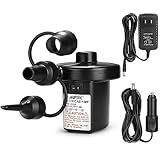
For ultimate convenience, consider an electric air pump for mattress models, which can inflate your bed quickly and with minimal effort.

- Air Mattress Condition: Give your mattress a once-over. Any tiny pinhole can turn into a major air leak overnight. This is especially true if your mattress has seen a few seasons of use. A quick visual inspection is usually enough.
- Pump Functionality: Does your pump actually work? Test it out before you’re miles from anywhere. A dead pump means a lumpy, uncomfortable night. Charge it up, check the batteries, or give it a few manual pumps to make sure it’s ready for action.
- Inflation Location: Where are you going to inflate this thing? If you’re car camping, you’ve got more leeway. Backpacking? You’ll want a compact, efficient pump. Also, consider the surface. You don’t want to inflate on sharp rocks or sticks. A ground tarp or footprint is your friend here.
Step-by-step (field workflow)
Here’s how to get that air mattress ready for prime time, whether you’re in the backyard or deep in the backcountry.
1. Unpack and Inspect: Lay out your air mattress on a clean, flat surface. Give it a good look for any obvious damage, tears, or punctures.
- Good looks like: A smooth, intact mattress surface.
- Common mistake: Skipping the inspection and finding a leak hours later. Always check first.
2. Identify the Valve: Locate the air valve on your mattress. Note its type and size. This is crucial for choosing the right pump attachment.
- Good looks like: Clearly seeing and understanding your valve type.
- Common mistake: Assuming all valves are the same. They’re not, and the wrong connection won’t work.
3. Select Your Pump: Grab the pump that matches your valve. If you have multiple attachments, choose the one that fits snugly.
- Good looks like: A pump with the correct adapter for a secure fit.
- Common mistake: Forcing the wrong adapter. This can damage both the pump and the valve.
4. Attach the Pump: Connect the pump securely to the mattress valve. Make sure it’s a tight seal to prevent air from escaping during inflation.
- Good looks like: A firm, leak-free connection. No hissing sounds.
- Common mistake: A loose connection that lets air out as fast as you pump it in. Double-check the seal.
5. Begin Inflation (Gradual): Start pumping air into the mattress. Don’t go full blast immediately, especially with electric pumps. Inflate it to about 70-80% capacity first.
- Good looks like: The mattress slowly taking shape, becoming firm but still a bit soft.
- Common mistake: Over-inflating too quickly. This can stress the seams and make it harder to adjust firmness later.
6. Check for Leaks: Once it’s partially inflated, listen and feel for any escaping air. If you hear or feel a leak, try to reseat the pump or check the valve.
- Good looks like: Silence. No escaping air.
- Common mistake: Ignoring small leaks at this stage, which will only get worse.
7. Inflate to Full (or Near Full): Continue pumping until the mattress reaches your desired firmness. Most people prefer it firm but not rock-hard. You should be able to press down with your hand and feel some give.
- Good looks like: A mattress that supports your weight comfortably without feeling like a balloon.
- Common mistake: Over-inflating to the point where it feels stiff and uncomfortable, or where the seams look strained.
8. Close the Valve: Once inflated, immediately and securely close the mattress valve. Make sure it’s fully sealed.
- Good looks like: A closed valve that holds air.
- Common mistake: Forgetting to close the valve, leading to slow deflation.
9. Position and Secure: Place your inflated mattress in your tent or designated sleeping area. Arrange any sleeping bags or pads around it.
- Good looks like: A stable, comfortable sleeping surface ready for you.
- Common mistake: Not securing it, allowing it to shift around during the night.
10. Final Firmness Adjustment: Lie on the mattress. If it’s too firm, let a tiny bit of air out. If it’s too soft, add a little more.
- Good looks like: A mattress that feels just right for your body.
- Common mistake: Settling for a mattress that’s not comfortable. It’s your sleep, make it good!
Common mistakes (and what happens if you ignore them)
| Mistake | What it causes | Fix |
|---|---|---|
| Using the wrong pump adapter | Damaged valve, inefficient inflation, or no inflation at all. | Always match the pump and valve type. Test the fit before pumping. |
| Not checking for leaks before full inflation | Waking up on the ground in the middle of the night. | Partially inflate, then listen and feel for air leaks. Reseat pump or check valve if needed. |
| Over-inflating the mattress | Stressed seams, potential for bursting, uncomfortable sleeping surface. | Inflate gradually. Stop when it’s firm but still has some give. Avoid a rock-hard feel. |
| Forgetting to close the valve | Slow, constant deflation throughout the night. | Ensure the valve is fully and securely closed immediately after inflation. |
| Inflating on rough terrain | Punctures or tears in the mattress, leading to leaks. | Use a ground tarp, footprint, or clean, smooth surface. Inspect the ground first. |
| Using a worn-out or damaged pump | Inability to inflate, slow inflation, or pump failure mid-use. | Test your pump before your trip. Repair or replace if it’s unreliable. |
| Not adjusting firmness to preference | Back pain, restless sleep, or feeling like you’re sleeping on a bouncy castle. | Lie down and adjust. Let a little air out or add a bit more until it’s comfortable for you. |
| Storing the mattress improperly deflated | Can lead to creases that are hard to remove or damage over time. | Deflate completely, fold loosely, and store in its original bag or a breathable container. |
| Trying to inflate too fast with a manual pump | Fatigue, less efficient inflation, potential for overheating the pump. | Pace yourself. Take breaks if needed. A steady rhythm works best. |
| Not allowing enough time for inflation | Rushing the process, leading to mistakes and frustration. | Factor in 5-15 minutes for inflation, depending on the pump and mattress size. Chill out. |
Decision rules (simple if/then)
- If your air mattress has a unique valve, then check the manufacturer’s recommendations for pump compatibility because not all pumps work with all valves.
- If you’re car camping and have space, then a rechargeable electric pump is often the easiest option because it’s fast and requires minimal effort.
- If you’re backpacking, then a lightweight manual or battery-powered pump is usually best because weight and size are critical.
- If you hear a hissing sound during inflation, then stop pumping and check the valve connection because air is escaping.
- If the mattress feels too hard when you lie on it, then let a little air out because over-inflation can be uncomfortable and stress the material.
- If the mattress feels too soft and you bottom out, then add a bit more air because it’s not providing adequate support.
- If you notice a tear or puncture, then try to repair it immediately with a patch kit because small leaks can become big problems.
- If you’re camping in cold weather, then slightly under-inflate the mattress because cold air contracts, and it will firm up as it warms to your body temperature.
- If you are using a foot pump, then ensure you have enough space to operate it comfortably because you’ll need room to maneuver your foot.
- If you’re inflating in a humid environment, then be aware that condensation can form inside the mattress over time, which is usually harmless but can be a bit damp.
- If your mattress is new, then it might stretch a bit after the first few uses, so don’t be afraid to add a little more air on subsequent nights.
If you are using a foot pump for air mattress inflation, ensure you have enough space to operate it comfortably because you’ll need room to maneuver your foot.
FAQ
How do I choose the right pump for my air mattress?
Look at your air mattress valve. Most pumps come with various adapters. Make sure the one you choose fits snugly and creates a good seal. Check your mattress manual if you’re unsure.
Can I use my lungs to inflate an air mattress?
Technically, yes, but it’s not recommended. It’s exhausting, takes a long time, and you risk breathing in moisture, which can lead to mold inside the mattress. A pump is far more efficient.
How firm should my air mattress be?
This is personal preference, but generally, it should be firm enough to support you without feeling like a solid board. You should feel a slight give when you press down. Too firm can lead to back pain.
What if my air mattress has a leak?
First, try to find the leak. Partially inflate it and listen or feel for escaping air. Once found, clean the area and use a patch kit designed for air mattresses.
How long does it take to inflate an air mattress?
With a good pump, anywhere from 3 to 15 minutes, depending on the mattress size and pump type. Manual pumps take longer than electric ones.
Should I inflate my air mattress completely before using it?
It’s better to inflate it about 70-80% first, check for leaks, and then top it off. This makes it easier to adjust firmness and reduces stress on the seams if you overdo it.
What’s the best way to deflate an air mattress?
Open the valve completely. For faster deflation, you can sometimes press on the mattress to push air out. Some pumps even have a deflate function.
Can I leave my air mattress inflated in my tent all the time?
If you’re car camping and staying put, yes. But if you’re moving camp or storing it for a long time, it’s best to deflate it to prevent wear and tear.
What kind of surface is best for inflating an air mattress?
A clean, flat, and smooth surface is ideal. Avoid sharp rocks, twigs, or uneven ground that could puncture the mattress. A ground tarp or footprint is a good idea.
How do I store my air mattress after use?
Make sure it’s completely dry and clean. Deflate it fully, fold it loosely (avoiding sharp creases), and store it in its original bag or a breathable container in a cool, dry place.
What this page does NOT cover (and where to go next)
- Specific air mattress repair techniques for major tears.
- In-depth reviews of different pump brands and models.
- Advanced camping sleep systems beyond the mattress itself.
- How to set up a tent around an air mattress.
- Troubleshooting specific electric pump error codes.

Camping Bob has spent over 20 years camping across the US — from BLM dispersed sites in the Southwest to KOA campgrounds in the Pacific Northwest. He writes practical, no-nonsense guides to help fellow campers get outdoors with confidence.