
How to Inflate Your Intex Air Bed Properly
Quick answer
- Get the right pump. Battery-powered is easiest.
- Find a flat, clean spot for the bed.
- Inflate until firm, but don’t overdo it.
- Check for leaks before you settle in.
- Deflate completely for storage.
- Keep it away from sharp objects.
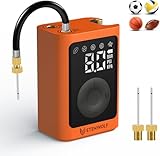
For the easiest inflation, consider a powerful electric air pump. It makes quick work of getting your air bed ready.
What to check first (do this before you drive out)
Before you even think about pumping, get your ducks in a row. This isn’t just about comfort; it’s about making sure your air bed doesn’t become a deflated disappointment miles from anywhere.
- Land manager / legality: Who’s in charge of the patch of dirt you’re eyeing? Is it US Forest Service, BLM, a state park, or private land? Knowing this tells you what rules apply – fire bans, camping permits, and if air beds are even a thing they care about (they usually aren’t, but it’s good to know). Check the official page for the specific site/agency.
- Access/road conditions: Can your rig actually get to your chosen spot? Some campsites are paved, others are rough dirt tracks. If you’re in a 2WD sedan, that “scenic overlook” might be a no-go. Think about ground clearance and potential mud or snow.
- Fire restrictions + weather + wind: This is crucial. Are campfires allowed? Is it dry enough that a spark could be trouble? Check the local fire danger level. Also, look at the forecast. High winds can make setting up an air bed a wrestling match, and rain can turn your campsite into a swamp.
- Water plan + waste plan (Leave No Trace): Where’s your water coming from? How will you treat it? And where’s your waste going? Pack it in, pack it out. This applies to everything, including food scraps and any toiletries. Leave No Trace principles are your best friend out here.
- Safety (wildlife, distance to help, comms): What critters share this space? Know what to do if you encounter them. How far are you from the nearest ranger station or town? And do you have cell service? A satellite messenger or PLB is a solid backup if you’re truly off-grid.
Step-by-step (field workflow)
Alright, you’ve done your homework. Now it’s time to get that air bed ready for some sweet dreams.
1. Choose your spot.
- What to do: Find a level, clear area free of rocks, sticks, and anything sharp.
- What “good” looks like: A smooth, flat surface where the air bed won’t be punctured. Imagine a nice, soft carpet.
- Common mistake: Setting up on a rocky patch or near a pointy branch.
- How to avoid it: Do a quick sweep with your eyes and feet. If it feels rough, find another spot.
2. Unroll the air bed.
- What to do: Carefully unroll the air bed, making sure the inflation valve is accessible.
- What “good” looks like: The bed is laid out flat, ready for the pump.
- Common mistake: Rushing and just tossing it out, potentially snagging it on something.
- How to avoid it: Take an extra 15 seconds to unroll it smoothly.
3. Locate the valve.
- What to do: Find the inflation/deflation valve. Most Intex beds have a two-part valve: a large opening for inflation and a smaller one for deflation.
- What “good” looks like: You know exactly where to attach your pump.
- Common mistake: Not knowing which part of the valve to use for inflation.
- How to avoid it: Give it a quick look before you hook up the pump.
4. Connect the pump.
- What to do: Attach your chosen pump (manual, battery-powered, or even a 12V car pump) to the inflation valve.
- What “good” looks like: A secure connection, no air escaping before you start pumping.
- Common mistake: A loose connection that leaks air, making the process take forever.
- How to avoid it: Ensure the pump nozzle fits snugly into the valve.
Connecting an electric air pump ensures a quick and secure inflation process. Look for models with various nozzle attachments for a perfect fit.
5. Start inflating.
- What to do: Begin pumping air into the bed. For battery-powered pumps, turn them on.
- What “good” looks like: Air is visibly filling the bed, and it’s starting to take shape.
- Common mistake: Over-inflating too early, making it hard to connect the pump or seal the valve.
- How to avoid it: Keep an eye on the bed as it fills; don’t just blast it with air.
6. Inflate to firmness.
- What to do: Continue inflating until the bed is firm but still has a slight give. You want it supportive, not rigid.
- What “good” looks like: The bed feels solid under light pressure, but you can still press down a bit. It should feel like a good mattress, not a balloon.
- Common mistake: Over-inflating. This puts too much stress on the seams and can make it feel like sleeping on a rock.
- How to avoid it: Stop and press down with your hand. If it feels super tight and unyielding, ease up.
7. Seal the valve.
- What to do: Once the desired firmness is reached, quickly and securely close the valve.
- What “good” looks like: The valve is sealed tight, and no air is escaping.
- Common mistake: Not closing the valve quickly enough after disconnecting the pump, letting precious air out.
- How to avoid it: Have the valve cap ready to go and close it immediately.
8. Check for leaks.
- What to do: Lie down on the bed. Listen for any hissing sounds. Feel around the seams.
- What “good” looks like: The bed stays firm, and you don’t hear or feel any air escaping.
- Common mistake: Assuming it’s fine because it looks inflated, only to wake up on the ground.
- How to avoid it: Give it a good test run before you commit to sleeping on it.
9. Adjust as needed.
- What to do: If it’s too soft, add a little more air. If it’s too firm, let a tiny bit out.
- What “good” looks like: Personalized comfort.
- Common mistake: Settling for a bed that’s not quite right.
- How to avoid it: Don’t be afraid to tweak it until it’s perfect.
10. Place your sleeping gear.
- What to do: Put your sleeping bag, pillow, and other bedding on top.
- What “good” looks like: A cozy, ready-to-go sleeping setup.
- Common mistake: Forgetting to do this before you’re too tired to move.
- How to avoid it: Get it all sorted before you’re ready to crash.
Common mistakes (and what happens if you ignore them)
| Mistake | What it causes | Fix |
|---|---|---|
| Inflating on rough ground | Punctures, leaks, and a deflated bed | Always scout for a smooth, clean spot. Use a ground cloth. |
| Over-inflating | Stressed seams, potential blowouts, uncomfortable | Inflate until firm with a slight give. Don’t blast it to max. |
| Under-inflating | Sagging, poor support, uncomfortable sleep | Add more air until it feels firm and supportive. |
| Not checking the valve seal | Slow leaks, waking up on the ground | Ensure the valve is fully closed and caps are secured. |
| Using a sharp object to “help” open | Rips, tears, permanent damage | Be patient. Valves are designed to open with gentle pressure. |
| Storing without complete deflation | Bulky storage, potential mildew | Deflate completely. Fold neatly to save space and prevent damage. |
| Leaving it in direct sun for hours | Material degradation, expansion, potential leaks | Keep it in the shade when not in use, especially in hot weather. |
| Not cleaning before storage | Mildew, dirt transfer, reduced lifespan | Wipe it down. Let it air dry completely before packing it away. |
| Using the wrong pump | Inefficient inflation, potential damage to valve | Use a pump designed for inflatable beds. |
| Not performing a leak check | Waking up on the ground, ruined sleep | Lie on it for a few minutes, listen for hissing. |
Decision rules (simple if/then)
- If the ground is rocky, then use a ground tarp or find a smoother spot because sharp objects can puncture the air bed.
- If it’s a hot, sunny day, then keep the air bed out of direct sun when not in use because excessive heat can cause the air to expand, potentially stressing seams.
- If you hear a hissing sound after inflating, then check the valve and seams for leaks because even a small leak will mean a deflated bed by morning.
- If the air bed feels too stiff, then let a little bit of air out because over-inflation makes the bed uncomfortable and can damage it.
- If the air bed feels too soft, then add a little more air because proper inflation provides support and comfort.
- If you are using a battery-powered pump, then make sure you have spare batteries because running out of power mid-inflation is a real bummer.
- If you are camping in cold weather, then be aware that air can contract in the cold, so you might need to add a bit more air in the morning because a cold night can make your bed feel softer.
- If you are storing the air bed for an extended period, then ensure it is completely dry and clean because moisture and dirt can lead to mold and mildew.
- If the valve is difficult to open, then don’t force it too hard; try wiggling it gently because forcing it can damage the valve mechanism.
- If you are using a manual pump, then be prepared for a workout because it takes a decent amount of effort to inflate a full-sized air bed.
FAQ
How long does an Intex air bed usually take to inflate?
This depends heavily on your pump. A good battery-powered pump might take 3-7 minutes. A manual pump could take 10-20 minutes of solid effort.
A good electric air pump can inflate your Intex air bed in just 3-7 minutes, saving you time and effort.
Can I use a regular shop vac to inflate my air bed?
Some shop vacs have a “blower” function that can work, but be careful. They can be very powerful and might over-inflate the bed quickly, so monitor it closely.
What should I do if my air bed has a slow leak?
First, try to locate the leak. Once found, you can often patch it with a repair kit designed for inflatables. If it’s a major leak or near a seam, it might be time for a new bed.
Is it okay to sleep on an Intex air bed if it’s not perfectly firm?
While you can sleep on it, it’s not ideal. A slightly soft bed can lead to back pain and poor sleep quality because it lacks proper support.
How do I clean my Intex air bed?
Use a damp cloth with mild soap and water. Wipe it down, then let it air dry completely before storing. Avoid harsh chemicals.
What’s the best way to deflate my Intex air bed quickly?
Open the larger part of the two-part valve. For faster deflation, you can often press down on the bed as the air escapes. Some pumps also have a deflate function.
Can I use my Intex air bed on the beach?
It’s generally not recommended. Sand and sharp shells can easily puncture the material, leading to leaks. If you do, use a very thick ground tarp.
Will my air bed lose air overnight naturally?
A properly sealed air bed should hold air well. If you notice significant deflation, it likely has a slow leak that needs to be addressed.
What this page does NOT cover (and where to go next)
- Specific repair techniques for different types of punctures.
- Detailed reviews of various air pump models.
- Advanced campsite setup for inclement weather.
- Long-term storage solutions for camping gear.
- Choosing the right sleeping bag for your climate.

Camping Bob has spent over 20 years camping across the US — from BLM dispersed sites in the Southwest to KOA campgrounds in the Pacific Northwest. He writes practical, no-nonsense guides to help fellow campers get outdoors with confidence.