
How To Effectively Remove Mold From Your Tent
Quick answer
- Inspect your tent thoroughly for mold and mildew.
- Air out your tent in direct sunlight whenever possible.
- Use a mild soap and water solution for light mold.
- For tougher spots, try a vinegar and water mixture.
- Always rinse thoroughly and dry completely before storing.
- Consider a specialized tent cleaner if problems persist.
What to check first (do this before you drive out)
Before you even think about packing, give your tent a once-over. Mold is sneaky. You don’t want to set up camp and discover a fuzzy green problem.
- Land manager / legality: Who actually owns the dirt you’re planning to sleep on? Is it National Forest, BLM land, a state park, or private? Each has its own rules about camping, fires, and sometimes even what gear you can use. A quick check of the managing agency’s website is usually all it takes. It’s pretty straightforward, but you don’t want to be the one getting a lecture from a ranger.
- Access/road conditions: How are you getting there? Is it a paved road, or are you looking at some gnarly dirt track? Know your vehicle’s capabilities. A Subaru Outback can handle a lot more than a low-slung sedan. Check recent reports if you can – mudslides or washouts happen. Nobody likes getting stuck miles from anywhere.
- Fire restrictions + weather + wind: This is non-negotiable. Fire bans are serious business, and ignoring them can have big consequences. Check the local fire danger level. Also, look at the forecast. Rain is one thing, but heavy wind can turn a pleasant evening into a tent-ripping ordeal. Pack layers, no matter what the sky looks like.
- Water plan + waste plan (Leave No Trace): Do you have enough water for drinking, cooking, and cleaning? And where’s all that used water going? Same goes for trash. Pack it in, pack it out. That’s the golden rule. A simple plan prevents a lot of headaches and keeps the wild places wild.
- Safety (wildlife, distance to help, comms): What kind of critters share this space? Know the basics for your area – bears, snakes, whatever. Also, how far is the nearest town or ranger station? And critically, do you have any cell service? A satellite messenger is a smart play for remote trips. Being prepared means you can handle things if they go sideways.
Step-by-step (field workflow)
Alright, you’ve got a suspect spot on your tent. Let’s tackle it.
1. Locate the mold.
- What to do: Carefully examine your tent, both inside and out, paying close attention to seams, corners, and areas that might have stayed damp.
- What “good” looks like: You can clearly see the fuzzy or discolored patches that are the source of the problem.
- A common mistake and how to avoid it: Missing small spots hidden in folds. Gently flex the fabric to reveal concealed areas.
2. Air it out.
- What to do: Set up your tent in direct sunlight and good airflow for several hours, or even a full day.
- What “good” looks like: The tent is completely dry and smells less musty. Sunlight is a natural mold killer.
- A common mistake and how to avoid it: Trying to clean a damp tent. This just spreads the mold spores around and makes the job harder. Always start with a dry tent.
3. Gentle scrubbing (mild soap).
- What to do: Mix a small amount of mild dish soap with warm water. Use a soft brush or cloth to gently scrub the affected areas.
- What “good” looks like: The visible mold starts to lift from the fabric.
- A common mistake and how to avoid it: Using harsh chemicals or stiff brushes. This can damage the tent’s waterproofing and fabric integrity. Think gentle, not aggressive.
4. Rinse thoroughly.
- What to do: Use a clean cloth or spray bottle to rinse away the soap solution. Make sure no soap residue remains.
- What “good” looks like: The fabric is free of suds and any loosened mold particles.
- A common mistake and how to avoid it: Leaving soap behind. Soap residue can attract dirt and potentially damage the fabric over time.
5. Tackle stubborn spots (vinegar solution).
- What to do: If mold persists, mix a solution of one part white vinegar to four parts water. Apply with a cloth and let it sit for 10-15 minutes.
- What “good” looks like: The vinegar solution has worked to break down the remaining mold.
- A common mistake and how to avoid it: Using too much vinegar or letting it soak too long. This can weaken the fabric. Test in an inconspicuous spot first.
6. Rinse again.
- What to do: Rinse the vinegar-treated areas thoroughly with clean water.
- What “good” looks like: All traces of the vinegar solution are gone. The fabric should feel clean.
- A common mistake and how to avoid it: Not rinsing well enough. The smell of vinegar can linger if not removed.
7. Dry completely.
- What to do: Hang the tent up again in direct sunlight and good airflow. Ensure every part of the tent is bone dry. This might take a full day or more.
- What “good” looks like: The tent feels and smells completely dry. No damp spots anywhere.
- A common mistake and how to avoid it: Storing a damp tent. This is the #1 way to guarantee mold returns, often worse than before. Seriously, make sure it’s dry.
8. Inspect and re-treat if needed.
- What to do: Once dry, do a final inspection. If any mold remains, repeat the cleaning process.
- What “good” looks like: The tent is completely free of mold and mildew.
- A common mistake and how to avoid it: Thinking you got it all when you haven’t. A second pass ensures a thorough job.
9. Apply waterproofing (optional but recommended).
- What to do: After cleaning and drying, consider applying a fabric protector or waterproofing spray, especially if the affected area was significant.
- What “good” looks like: The fabric is revitalized and its water resistance is restored.
- A common mistake and how to avoid it: Skipping this step after a deep clean. Cleaning can sometimes strip away factory waterproofing.
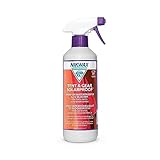
Consider applying a high-quality tent waterproofing spray to restore its protective barrier, especially after a deep clean. This will help maintain your tent’s water resistance for future adventures.
10. Store properly.
- What to do: Store your tent loosely in a breathable bag or stuff sack, in a cool, dry place.
- What “good” looks like: The tent is ready for its next adventure, free from mold.
- A common mistake and how to avoid it: Stuffing a dirty or damp tent into its original tight-fitting bag. This traps moisture and encourages mold growth.
Common mistakes (and what happens if you ignore them)
| Mistake | What it causes | Fix |
|---|---|---|
| Storing a damp tent | Rapid mold and mildew growth, permanent staining, fabric degradation | Always dry your tent completely before storing. Air it out, even if you think it’s dry. |
| Using harsh cleaning chemicals | Damage to fabric coatings (waterproofing), discoloration, weakened seams | Stick to mild soap, vinegar, or specialized tent cleaners. Test in an inconspicuous area first. |
| Scrubbing too aggressively | Rips, tears, and abrasion of the tent fabric | Use a soft brush or cloth. Gentle pressure is key. Let the cleaning solution do the work. |
| Not rinsing thoroughly | Soap or vinegar residue attracts dirt, can degrade fabric, leaves odors | Rinse multiple times with clean water until all traces of cleaning agents are gone. |
| Cleaning in a poorly ventilated area | Spreading mold spores, inhaling irritants | Clean outdoors or in a well-ventilated space. Sunlight is your friend here. |
| Ignoring small mold spots | Mold spreads quickly, becoming a larger, harder-to-remove problem | Address mold as soon as you see it. Early intervention saves a lot of grief. |
| Using hot water on certain fabrics | Can melt or damage synthetic materials like nylon or polyester | Use lukewarm or cool water for cleaning. Check your tent’s care label if unsure. |
| Not drying completely after cleaning | Mold returns, often worse than before, making the tent unusable | Be patient. Ensure every seam, corner, and flap is dry. Sunlight is the best drying tool. |
| Reapplying waterproofing too soon | Traps moisture under the new coating, leading to mold growth | Ensure the tent is 100% dry and clean before reapplying any waterproofing treatments. |
| Using bleach | Destroys fabric fibers, removes waterproofing, and causes severe discoloration | Never use bleach on your tent. It’s too harsh and will ruin the material. |
Decision rules (simple if/then)
- If you see fuzzy green or black spots, then you have mold, because that’s what mold looks like on fabric.
- If the mold is light and fresh, then a mild soap and water solution might be enough, because gentle cleaning is always the first step.
- If soap and water don’t cut it, then try a vinegar and water mixture, because vinegar is a natural disinfectant that’s generally safe for tent fabrics.
- If your tent smells musty but you don’t see visible mold, then air it out in the sun for a full day, because sunlight and airflow can kill dormant spores and eliminate odors.
- If the mold is extensive or deeply ingrained, then you might need a specialized tent cleaner, because some stains require stronger, fabric-safe formulations.
- If you’re unsure about a cleaning solution, then test it on an inconspicuous area first, because you don’t want to damage a large, visible part of your tent.
- If you’re cleaning near zippers or seams, then be extra gentle, because these areas are often made of weaker materials or have coatings that can be easily damaged.
- If you’ve finished cleaning and rinsing, then you absolutely must dry the tent completely, because storing a damp tent is the fastest way to get mold back.
- If the mold has caused significant discoloration or damage, then you might need to reapply a waterproofing treatment, because cleaning can sometimes strip away the tent’s protective coatings.
- If you notice mold after a trip where the tent was packed away damp, then you know how to prevent it next time, because preventing mold is always easier than removing it.
- If you’re dealing with a very old or heavily molded tent, then consider if it’s worth the effort, because sometimes replacement is the more practical option.
- If you’re cleaning a vintage tent, then be extra cautious, because older fabrics can be more delicate and susceptible to damage.
FAQ
Q: How do I know if it’s mold or just dirt?
A: Mold typically has a fuzzy or powdery texture and a distinct musty smell. Dirt is usually flat and doesn’t have that characteristic odor.
Q: Can I use bleach to clean my tent?
A: Absolutely not. Bleach will destroy your tent’s fabric and waterproofing. Stick to milder options.
Q: How long does it take to dry a tent after cleaning?
A: It depends on the weather, but plan for at least a full day of good airflow and sunlight. Make sure it’s bone dry before packing.
Q: Will mold ruin my tent forever?
A: Light mold can usually be removed, but extensive or long-term mold can permanently stain and weaken the fabric, potentially making the tent unusable.
Q: What’s the best way to prevent mold in my tent?
A: Always dry your tent completely after every use, and store it in a cool, dry place loosely, not crammed into its stuff sack.
Q: Can I use a regular washing machine for my tent?
A: Generally, no. Most tent manufacturers advise against machine washing as it can damage the fabric and coatings. Handwashing is best.
Q: My tent smells musty even without visible mold. What should I do?
A: Air it out thoroughly in direct sunlight. The UV rays and airflow can kill spores and eliminate odors.
Q: Is a vinegar smell bad for my tent?
A: A faint vinegar smell might linger temporarily, but it’s much better than mold. It should dissipate after airing out.
Q: What if the mold is on the rainfly or poles?
A: The cleaning process is similar for all tent components. Just be extra careful with poles and zippers.
What this page does NOT cover (and where to go next)
- Specific repair techniques for tears or seam damage.
- Detailed instructions on re-waterproofing treatments.
- Choosing the right tent for specific camping conditions.
- Advanced tent cleaning for specialized materials (e.g., canvas).
- Long-term storage solutions beyond basic dry storage.