
Essential Steps To Start A Campground From Scratch
Quick answer
- Dream it, then vet it. Make sure there’s actual demand for your idea.
- Location is king. Find land that’s accessible and desirable.
- Know the rules. Permits, zoning, and regulations are no joke.
- Plan your amenities. Think water, toilets, and trash. Keep it simple to start.
- Budget like a boss. Figure out startup costs and how you’ll make money.
- Build it right. Focus on safety and functionality.
- Market your spot. Let people know you exist.
- Stay compliant. Keep up with rules and customer feedback.
What to check first (do this before you drive out)
Before you even think about digging a single post hole, you need to do some homework. This isn’t the fun part, but it saves a ton of headaches down the road.
- Land manager / legality (who manages the land)
This is your first hurdle. Is the land privately owned? Is it managed by the US Forest Service (USFS), Bureau of Land Management (BLM), National Park Service (NPS), or a state park system? Each has different rules and potential for commercial use. If it’s private, you’re dealing with local zoning and county/city permits. This is where you find out if your dream is even possible on that particular piece of dirt.
- Access/road conditions (2WD vs AWD, clearance, mud/snow)
How will people get to your campground? Is the road paved, gravel, or just a dirt track? Will a standard sedan make it, or do folks need 4WD with high clearance? Think about seasonal issues too – mud in spring, snow in winter. If your access is too rough, you’ll limit your customer base faster than you can say “flat tire.”
- Fire restrictions + weather + wind
Campgrounds and fire go hand-in-hand, but fire restrictions are common and serious. Check current and historical fire bans for the area. Also, understand the typical weather patterns. Is it prone to flash floods? Extreme heat? High winds that could make campfires dangerous? This impacts everything from safety to the types of activities you can offer.
- Water plan + waste plan (Leave No Trace)
This is crucial for sustainability and legality. Where will your water come from? Potable? Just for washing? How will you handle wastewater – septic system, vault toilets, composting toilets? And what about trash? Proper waste disposal is non-negotiable for keeping your site clean and respecting the environment. Leave No Trace principles are your best friend here.
When planning your waste management, consider a composting toilet for an eco-friendly and often simpler solution, especially in remote areas.

- Safety (wildlife, distance to help, comms)
What kind of wildlife calls this place home? Bears, mountain lions, venomous snakes? You need a plan for coexisting safely. How far is the nearest hospital or emergency services? Do you have reliable cell service, or will you need a satellite communicator? Safety first, always.
Step-by-step (field workflow)
Okay, you’ve done your initial checks and your idea isn’t dead in the water. Now, let’s get practical.
1. Define your niche.
- What to do: Figure out what kind of campers you want to attract. Basic tent sites? RV hookups? Glamping yurts? Adventure hub for hikers?
- What “good” looks like: You have a clear picture of your ideal customer and the experience you’ll offer them.
- Common mistake: Trying to be everything to everyone. This dilutes your brand and makes planning a nightmare. Stick to what you do best.
2. Secure the land.
- What to do: Purchase or lease the land. This might involve real estate agents, lawyers, and financing.
- What “good” looks like: You have legal ownership or a long-term lease agreement.
- Common mistake: Signing a lease without fully understanding the zoning or environmental regulations. Always get legal advice.
3. Research zoning and permits.
- What to do: Contact your local planning department and any relevant state agencies.
- What “good” looks like: You have a clear understanding of all required permits, zoning laws, and any restrictions.
- Common mistake: Assuming your land is zoned for commercial camping without checking. It’s often agricultural or residential by default.
4. Develop a business plan.
- What to do: Outline your concept, target market, marketing strategy, operational plan, and financial projections.
- What “good” looks like: A solid document that can guide your decisions and attract investors if needed.
- Common mistake: Underestimating startup costs and ongoing expenses. Be realistic, then add a buffer.
5. Secure funding.
- What to do: Determine how much money you need and explore options like personal savings, loans, or investors.
- What “good” looks like: You have the capital lined up to cover your initial build and operating costs.
- Common mistake: Running out of cash halfway through construction. Always have contingency funds.
6. Design the layout.
- What to do: Plan where each campsite, amenity, road, and common area will go. Consider flow, privacy, and accessibility.
- What “good” looks like: A functional and appealing site plan that maximizes space and minimizes environmental impact.
- Common mistake: Cramming too many sites in. Campers want space and a sense of escape.
7. Install essential infrastructure.
- What to do: This includes roads, water systems, sewage/waste disposal, and potentially electricity hookups.
- What “good” looks like: Safe, reliable systems that meet all local health and building codes.
- Common mistake: Cutting corners on plumbing or electrical. These are major safety hazards and regulatory issues.
8. Build campsites and amenities.
- What to do: Clear and level tent pads, install picnic tables, fire rings, and any shared facilities like restrooms or a camp host office.
- What “good” looks like: Comfortable, safe, and well-maintained sites ready for campers.
- Common mistake: Using cheap materials that wear out quickly. Durability is key for outdoor gear.
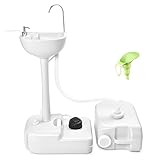
For basic amenities, a portable handwashing station can be a cost-effective and flexible option for hygiene, particularly in initial phases or less developed sites.
9. Obtain operating licenses and insurance.
- What to do: Apply for any necessary business licenses and get comprehensive liability insurance.
- What “good” looks like: You’re legally cleared to operate and protected against potential accidents.
- Common mistake: Operating without proper insurance. A single incident could bankrupt you.
10. Develop pricing and booking system.
- What to do: Set your rates based on amenities and demand. Choose a booking platform or system.
- What “good” looks like: A fair pricing structure and an easy way for campers to reserve spots.
- Common mistake: Pricing too high or too low for the market. Research competitors.
11. Market your campground.
- What to do: Create a website, use social media, list on camping directories, and engage with local tourism.
- What “good” looks like: Consistent bookings and growing awareness of your campground.
- Common mistake: Relying solely on word-of-mouth. You need to actively promote yourself.
12. Open and manage.
- What to do: Welcome campers, maintain the grounds, handle issues, and gather feedback.
- What “good” looks like: Happy campers, a well-run operation, and a growing reputation.
- Common mistake: Neglecting maintenance or customer service. This kills repeat business.
Common mistakes (and what happens if you ignore them)
| Mistake | What it causes | Fix |
|---|---|---|
| Ignoring zoning and permit requirements | Fines, forced closure, legal battles, wasted investment. | Thoroughly research all local, county, and state regulations <em>before</em> buying land or starting construction. |
| Underestimating startup and operating costs | Running out of money, unfinished facilities, inability to cover bills. | Create a detailed budget with contingency funds. Get quotes from multiple contractors. |
| Poor road access or site conditions | Limited customer base, vehicle damage, unhappy campers, negative reviews. | Assess road quality realistically. Invest in proper grading and maintenance. |
| Inadequate water or waste management | Health code violations, environmental damage, site closures, lawsuits. | Plan for reliable water sources and compliant waste disposal systems (septic, vault toilets). |
| Neglecting safety and emergency preparedness | Accidents, injuries, negative publicity, potential liability. | Implement clear safety rules, post emergency contacts, and ensure good communication systems. |
| Trying to offer too many amenities early | Spreading resources too thin, high maintenance, budget overruns. | Start with essentials. Add amenities as your business grows and you understand demand. |
| Ineffective marketing and branding | Low occupancy rates, poor brand recognition, struggling to attract campers. | Develop a clear brand identity and a multi-channel marketing strategy. |
| Poor customer service | Negative reviews, lack of repeat business, damaged reputation. | Train staff, be responsive to feedback, and create a welcoming atmosphere. |
| Overcrowding sites | Loss of privacy, noise complaints, reduced guest satisfaction. | Design sites with adequate spacing. Stick to capacity limits. |
| Not understanding the local ecosystem | Environmental damage, conflicts with wildlife, negative community impact. | Research local flora/fauna. Implement LNT principles and wildlife management practices. |
Decision rules (simple if/then)
- If the land is zoned for agriculture only, then you likely cannot build a campground because commercial use is prohibited.
- If your target customer base primarily drives sedans, then you need to ensure road access is suitable for 2WD vehicles.
- If fire restrictions are common year-round, then you might need to focus on alternative cooking methods or amenities.
- If the nearest town with services is more than an hour away, then you must have robust on-site first-aid and communication capabilities.
- If your budget is tight, then focus on basic tent sites and vault toilets before considering RV hookups or showers.
- If the land has significant environmental concerns (e.g., wetlands, endangered species habitat), then you will need extensive environmental impact studies and permits, which can be costly and time-consuming.
- If you plan to offer showers and flush toilets, then you will need a more complex and expensive septic system or sewer connection.
- If you want to attract families with young children, then playground areas and safe water access become important considerations.
- If you’re considering a remote location, then self-sufficiency in terms of power, water, and waste is paramount.
- If you aim for a high-end experience (glamping), then amenities like Wi-Fi, comfortable bedding, and curated activities are essential.
- If you encounter unexpected costs during development, then dip into your contingency fund rather than cutting corners on safety or essential infrastructure.
- If a competitor opens a similar campground nearby, then re-evaluate your niche and marketing to highlight your unique selling points.
If you’re considering a remote location, a portable solar generator can be an excellent investment for self-sufficient power, reducing reliance on grid connections.

FAQ
How much does it cost to start a campground?
Costs vary wildly, from tens of thousands for a very basic, small operation on existing land to millions for a large, amenity-rich RV resort. Factors include land cost, infrastructure needs, and permits.
What are the biggest challenges?
Securing land, navigating permits and zoning, managing infrastructure (water, sewer), and marketing effectively are common hurdles. It’s a lot of work.
Do I need a business plan?
Absolutely. A solid business plan is crucial for securing funding, guiding your decisions, and ensuring you’ve thought through all aspects of the operation.
What kind of permits are usually required?
You’ll likely need zoning permits, building permits, health department permits for water and waste, and potentially environmental permits. Check with your local and state agencies.
How important is water and waste management?
Extremely. These are often the most heavily regulated aspects due to public health and environmental concerns. Get this right from the start.
Can I just buy land and start camping?
Not legally. You need to comply with local zoning laws, obtain permits, and ensure your site meets health and safety standards for public use.
What’s the difference between a campground and an RV park?
Campgrounds often cater more to tents and basic vehicles, while RV parks are specifically designed for recreational vehicles, usually with hookups for water, sewer, and electricity.
How do I price my campsites?
Research your local market and competitors. Consider your amenities, location, and target audience. Offer different tiers if you have varied site types.
What if I don’t have much experience in hospitality?
You can hire experienced staff or managers. Learning the ropes through courses, workshops, or working at an existing campground can also be beneficial.
How do I handle wildlife encounters?
Educate your campers on safe food storage and behavior around wildlife. Have clear signage and protocols for reporting encounters. Know local regulations for wildlife management.
What this page does NOT cover (and where to go next)
- Detailed financial projections and loan applications.
- Next: Seek advice from accountants and financial advisors.
- Specific architectural designs for restrooms or utility buildings.
- Next: Consult with architects and engineers specializing in campground design.
- In-depth marketing strategies and digital advertising.
- Next: Explore resources on small business marketing and outdoor recreation promotion.
- Legal intricacies of land acquisition and business formation.
- Next: Consult with real estate attorneys and business formation specialists.
- Environmental impact assessments and mitigation plans.
- Next: Engage environmental consultants familiar with land development regulations.

Camping Bob has spent over 20 years camping across the US — from BLM dispersed sites in the Southwest to KOA campgrounds in the Pacific Northwest. He writes practical, no-nonsense guides to help fellow campers get outdoors with confidence.