
Discover Chassahowitzka River Campground: Your Next Adventure
Quick answer
- Book your spot early. This place fills up.
- Know your watercraft. Kayaks and canoes rule here.
- Pack for Florida bugs. Seriously.
- Respect the wildlife. They were here first.
- Leave No Trace. It’s the only way.
- Check the weather. Florida storms can roll in fast.
- Get your fishing license if you plan to cast a line.
What to check first (do this before you drive out)
Before you even think about packing the car, nail down these essentials.
- Land manager / legality: Chassahowitzka River Campground is managed by the Florida Fish and Wildlife Conservation Commission (FWC). This means it’s part of a wildlife management area. Always check the FWC website for the latest regulations, permits, and any specific rules for the campground and surrounding waters. It’s public land, but it has its own set of guidelines.
- Access/road conditions: The main access is via the campground road. It’s generally paved or well-maintained gravel. However, if you plan on exploring off the main paths or venturing into more remote areas with your vehicle, check conditions. Heavy rain can make some dirt tracks boggy. Most standard vehicles can handle the main campground road, but always be aware of potential low-hanging branches or potholes.
- Fire restrictions + weather + wind: Florida can be a tinderbox, especially in drier months. Check the FWC website and local fire danger levels before you go. Always have a plan for campfires – are they allowed? What are the rules for burning? For weather, expect heat and humidity. Afternoon thunderstorms are common in summer. Watch the forecast and be prepared for sudden downpours and wind. High winds can make paddling tricky and increase fire risk.
- Water plan + waste plan (Leave No Trace): This is crucial. There’s no potable water available at the campground itself, so bring all the water you need for drinking, cooking, and cleaning. For waste, pack it in, pack it out. This applies to all trash, food scraps, and anything else you bring in. Use designated restrooms or pack out human waste if backcountry camping. Familiarize yourself with all seven Leave No Trace principles.
- Safety (wildlife, distance to help, comms): You’re in Florida’s wild. Be aware of alligators, snakes, and biting insects. Store food properly to avoid attracting critters. The nearest significant medical facilities might be a drive away. Let someone know your itinerary and expected return time. Cell service can be spotty, so consider a satellite communicator for longer trips or if you’re venturing far from the main campground.
Step-by-step (field workflow)
Here’s how to set up and enjoy your time at Chassahowitzka River Campground.
1. Arrive and check in:
- What to do: Head to the designated check-in area. Present your reservation and any required permits.
- What “good” looks like: Smooth process, friendly staff, clear directions to your campsite.
- Common mistake: Showing up without a reservation or the correct paperwork. This can lead to disappointment and a wasted trip. Always book ahead and print your confirmation.
2. Locate your campsite:
- What to do: Follow the signs to your assigned site.
- What “good” looks like: Clearly marked site number, easy to find.
- Common mistake: Wandering aimlessly and taking someone else’s spot. Stick to your assigned number.
3. Assess the site:
- What to do: Look for level ground for your tent, shade, and proximity to amenities (if any). Check for fire rings or grills.
- What “good” looks like: A flat, comfortable spot with good drainage and a suitable place for your gear.
- Common mistake: Setting up in a low-lying area prone to flooding if it rains, or right under a dead tree branch. Scout the site before unloading everything.
4. Set up camp:
- What to do: Pitch your tent, set up your sleeping area, and organize your cooking and living space.
- What “good” looks like: Tent is taut, sleeping gear is dry, and your camp is organized for efficiency.
- Common mistake: Rushing tent setup and not staking it down properly. A gust of wind can send your shelter flying.
When setting up camp, a reliable camping tent is essential for a comfortable night’s sleep. Ensure it’s pitched taut and staked down properly to withstand any unexpected gusts.

5. Secure food and gear:
- What to do: Use bear-resistant containers or hang food properly. Secure loose items that could blow away.
- What “good” looks like: No food smells attracting animals, everything is battened down.
- Common mistake: Leaving food or scented items in your tent or unsecured. This is an open invitation for raccoons, rodents, and worse.
6. Prepare water and waste stations:
- What to do: Set up your water filter/purification if needed. Designate a spot for trash bags.
- What “good” looks like: Easy access to clean water and a clean, contained trash area.
- Common mistake: Not having a clear plan for water purification or waste disposal, leading to contamination or litter.
7. Plan your activities:
- What to do: Decide on paddling routes, fishing spots, or hiking trails. Check tide charts if applicable.
- What “good” looks like: A flexible plan that accounts for weather and energy levels.
- Common mistake: Over-scheduling or not checking conditions like tides or trail closures, leading to frustration.
8. Enjoy the river:
- What to do: Launch your kayak or canoe, explore the springs, or relax by the water.
- What “good” looks like: Peaceful paddling, clear water, spotting local wildlife.
- Common mistake: Getting too far from shore in unfamiliar waters without a plan, or disturbing wildlife.
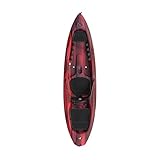
To truly enjoy the river, consider bringing a recreational kayak. It’s perfect for exploring the springs and winding waterways at your own pace.
9. Cook and eat:
- What to do: Prepare your meals using your camp stove or designated grill. Clean up immediately.
- What “good” looks like: Delicious camp food, minimal mess, and proper disposal of all food scraps.
- Common mistake: Leaving dirty dishes or food scraps out overnight. This attracts pests and creates a mess.
10. Evening routine:
- What to do: Secure camp for the night, check fire regulations if you plan a campfire, and enjoy the sounds of nature.
- What “good” looks like: A safe, secure camp with minimal impact.
- Common mistake: Leaving a campfire unattended or not properly extinguishing it. This is a major fire hazard.
11. Morning routine:
- What to do: Wake up, make coffee, and start your day. Pack up any trash.
- What “good” looks like: A fresh start, a clean campsite.
- Common mistake: Leaving micro-trash (bottle caps, wrappers) behind. Do a final sweep.
12. Pack out:
- What to do: Dismantle camp, pack all trash, and ensure your site is cleaner than you found it.
- What “good” looks like: No trace left behind.
- Common mistake: Forgetting to pack out all trash, including small items like twist ties or cigarette butts.
Common mistakes (and what happens if you ignore them)
| Mistake | What it causes | Fix |
|---|---|---|
| Not booking in advance | Turned away, wasted trip, major bummer. | Reserve your spot online or by phone well in advance. |
| Ignoring bug spray and repellent | Constant itching, misery, can’t enjoy the outdoors. Mosquitoes and no-see-ums are no joke here. | Pack strong bug spray with DEET or picaridin. Consider permethrin for clothing. Wear long sleeves and pants during peak times. |
| Underestimating the Florida heat/humidity | Dehydration, heat exhaustion, heatstroke. It’s no fun feeling like a swamp creature. | Drink plenty of water, wear light clothing, seek shade, and take breaks. Electrolyte drinks can help. |
| Not bringing enough water | Dehydration, forcing you to ration or leave early. | Bring more water than you think you’ll need for drinking, cooking, and cleaning. Consider a water filter for emergencies. |
| Leaving food unsecured | Attracting raccoons, possums, snakes, and potentially bears (though less common here). Messy and dangerous. | Use bear-resistant containers or hang food properly. Store all scented items, including toiletries, securely. |
| Not respecting wildlife | Animals become habituated, aggressive, or get sick. You might also get bitten or stung. | Observe from a distance. Never feed wildlife. Be aware of your surroundings, especially for snakes and alligators. |
| Disregarding fire restrictions | Fines, potential wildfires, damage to the environment. A careless spark can cause devastation. | Always check current fire restrictions. If fires are allowed, use designated rings and never leave a fire unattended. |
| Leaving trash behind | Pollutes the environment, harms wildlife, makes the place look like a dump. | Pack it in, pack it out. All trash, food scraps, and personal items must leave with you. |
| Not checking water depth/currents | Getting stranded, capsizing, getting swept downstream. The river can be deceptively powerful. | Scout your route before launching. Be aware of currents, especially around bridges or narrow channels. Carry a PFD. |
| Assuming cell service will be reliable | Inability to call for help in an emergency, missed important communications. | Download offline maps. Carry a satellite communicator for remote areas or if you’re alone. Let someone know your plans. |
| Paddling in the dark without lights | Collisions with obstacles, other boats, or getting lost. | Always have navigation lights and a headlamp if you plan to be on the water after sunset. Know your return route. |
| Not having a basic first-aid kit | Minor injuries becoming major problems. Small cuts can get infected in humid environments. | Carry a well-stocked first-aid kit and know how to use it. Include items for cuts, scrapes, blisters, and insect bites. |
Decision rules (simple if/then)
- If the weather forecast shows thunderstorms, then postpone water activities until the storm passes because lightning is a serious danger on the water.
- If you see an alligator, then maintain a safe distance and do not feed it because feeding wildlife makes them aggressive and dangerous.
- If you plan to build a campfire, then check current fire restrictions first because burning bans are common and strictly enforced.
- If you are going for a long paddle, then tell someone your route and expected return time because cell service can be unreliable.
- If you are using a water filter, then always purify or filter river water before drinking because untreated water can contain harmful bacteria.
- If you pack out all your trash, then you are practicing Leave No Trace and helping preserve the campground for others.
- If you hear buzzing insects, then apply bug spray because mosquitoes and no-see-ums can ruin an otherwise pleasant experience.
- If you see a snake, then leave it alone and give it plenty of space because most snakes are harmless and beneficial, but some can be venomous.
- If your campsite feels too exposed, then consider moving to a more sheltered spot because strong winds can make camping uncomfortable and dangerous.
- If you are fishing, then ensure you have a valid Florida fishing license because fishing without one can result in fines.
- If you are bringing a pet, then check the FWC rules for pets in wildlife management areas because not all areas allow pets, and there are specific rules.
- If you notice your trash is attracting animals, then secure it immediately in a bear-resistant container or hang it higher because habituated animals can become a nuisance and a danger.
FAQ
Q: Do I need a reservation for Chassahowitzka River Campground?
A: Yes, reservations are highly recommended and often required, especially during peak seasons. Book through the official FWC reservation system.
Q: What kind of boats are best for the Chassahowitzka River?
A: Kayaks and canoes are ideal for navigating the shallow, winding river and accessing the springs. Larger motorboats can be used but be mindful of shallow areas and submerged obstacles.
For navigating the shallow and winding Chassahowitzka River, a recreational kayak is an excellent choice. Its maneuverability makes exploring the springs a breeze.
Q: Is there potable water at the campground?
A: No, there is no potable water available at the campground. You must bring all the water you need for drinking, cooking, and cleaning.
Q: Can I swim in the Chassahowitzka River?
A: Yes, swimming is permitted in designated areas, particularly around the natural springs. Always be aware of your surroundings, especially for alligators and boat traffic.
Q: What wildlife can I expect to see?
A: You can expect to see a variety of Florida wildlife, including alligators, manatees (in certain areas), various bird species (like herons and egrets), fish, and small mammals.
Q: Are campfires allowed?
A: Campfires are allowed only in designated fire rings where provided, and always subject to current fire restrictions. Always check local fire danger levels before building a fire.
Q: What are the best times to visit for paddling?
A: Spring and fall generally offer the most pleasant weather, with cooler temperatures and less humidity. Summer is hot and humid with frequent afternoon thunderstorms.
Q: Is fishing allowed?
A: Yes, fishing is permitted, but you must have a valid Florida fishing license. Check FWC regulations for specific rules about seasons and catch limits.
Q: What kind of bugs should I prepare for?
A: Expect mosquitoes, biting flies, and no-see-ums, especially during dawn and dusk and in humid conditions. Bring effective insect repellent.
Q: Can I bring my dog?
A: You need to check the specific FWC regulations for pets within this wildlife management area. Rules can vary, and pets may not be allowed in all areas or have specific leash requirements.
What this page does NOT cover (and where to go next)
- Specific campsite amenities or availability (check the FWC reservation page).
- Detailed trail maps or paddling routes (consult local guidebooks or FWC maps).
- Current water quality reports or specific fishing regulations (visit the FWC website).
- Emergency contact numbers for local authorities (carry a satellite device or know local emergency procedures).
- Detailed boating safety regulations (refer to the Florida Fish and Wildlife Conservation Commission boating safety resources).

Camping Bob has spent over 20 years camping across the US — from BLM dispersed sites in the Southwest to KOA campgrounds in the Pacific Northwest. He writes practical, no-nonsense guides to help fellow campers get outdoors with confidence.