
Easy Instructions for Setting Up Your Beach Tent
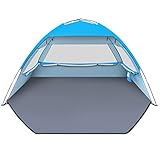
Before you dive into the setup, make sure you have a reliable beach tent. A good beach tent, like this highly-rated model, can make all the difference for a comfortable day.
Quick answer
- Find a good spot, not too close to the water.
- Clear the area of debris.
- Lay out the tent fabric flat.
- Insert poles, connect them, and feed them through sleeves.
- Stake it down securely.
- Attach any guy lines for extra stability.
- Enjoy your shade!
What to check first (do this before you drive out)
Before you even think about hitting the sand, there are a few things to sort out. This isn’t just about convenience; it’s about being smart and safe.
- Land manager / legality: Who owns this stretch of beach? Is camping or setting up a tent allowed? Most public beaches are managed by local governments, state parks, or sometimes federal agencies like the National Park Service. A quick search for the specific beach name and “regulations” or “rules” usually brings up the info you need. Sometimes, it’s obvious, but other times, you might stumble onto private property or a protected area. Better to know before you get a friendly warning (or worse).
- Access/road conditions: Can your rig actually get to where you want to set up? Some beaches are accessible by regular car, others need 4WD, and some are walk-in only. Check tide charts too – you don’t want to set up camp and then have the tide creep up on you. A little research saves a lot of headache, or getting stuck.
- Fire restrictions + weather + wind: This is a big one. Beach weather can change fast. Check the forecast for wind, rain, and especially any fire bans. Sand and wind are a classic combo, and a strong gust can ruin your day or even damage your tent if it’s not secured. High winds mean you’ll be working harder and need to be extra diligent with staking.
- Water plan + waste plan (Leave No Trace): How will you get water? Are there facilities nearby, or do you need to pack it all in? And what about trash? Pack it in, pack it out. This applies to everything, including food scraps and any human waste. Leave the beach cleaner than you found it. Seriously.
- Safety (wildlife, distance to help, comms): What kind of critters hang out here? Jellyfish, birds, maybe something bigger depending on where you are. Know what to look out for. Also, how far are you from any help if something goes wrong? Cell service can be spotty on the coast. Let someone know where you’re going and when you expect to be back.
Step-by-step (field workflow)
Alright, you’ve done your homework. Now it’s time to get that shelter up.
1. Choose your spot: Look for a relatively flat area, above the high tide line. You want to be comfortable, but not so close to the water that you’re constantly worried about waves.
- What “good” looks like: A spot that feels secure, with a good view, and plenty of space around you.
- Common mistake: Setting up too close to the water. The tide doesn’t care about your plans.
2. Clear the area: Kick away any rocks, shells, or debris that could poke through the tent floor or make sleeping uncomfortable.
- What “good” looks like: A smooth, clean patch of sand.
- Common mistake: Skipping this step and ending up with a lumpy, uncomfortable bed.
3. Lay out the tent fabric: Unfold the tent body and spread it out flat in your chosen spot. Orient it so the door faces where you want it.
- What “good” looks like: The tent fabric is spread out evenly, ready for poles.
- Common mistake: Trying to assemble the tent before laying it out, leading to twisted fabric and tangled poles.
4. Assemble the poles: Connect the sections of your tent poles. Most modern poles are shock-corded, so they snap together easily.
- What “good” looks like: All pole sections are firmly connected and form complete poles.
- Common mistake: Forcing poles together or not ensuring they are fully seated, which can cause them to bend or break.
5. Insert poles into sleeves/clips: Gently feed the poles through the fabric sleeves or attach them to the clips on the tent body. Work slowly to avoid snagging the fabric.
- What “good” looks like: Poles are sliding smoothly through their channels or attached securely to clips.
- Common mistake: Rushing and ripping the fabric sleeves or breaking clips.
6. Raise the tent: Once the poles are in place, carefully lift the tent structure. This is where it starts to look like a tent.
- What “good” looks like: The tent is standing up, supported by the poles.
- Common mistake: Yanking on the poles instead of gently lifting, which can stress the pole joints.
7. Stake it down: Start with the corners. Push the stakes firmly into the sand at an angle, away from the tent, to create good tension.
- What “good” looks like: Stakes are buried deep and angled correctly, holding the tent taut.
- Common mistake: Not staking it down at all, or using short stakes that pull out easily in the wind. Sand stakes are your friend here.
For securing your beach tent, sand stakes are crucial. Consider upgrading to specialized sand stakes for superior hold in loose sand.
8. Attach guy lines: If your tent has them, connect the guy lines and stake them out further from the tent. This adds significant stability, especially in breezy conditions.
- What “good” looks like: Guy lines are taut and staked securely, creating a wider, more stable footprint.
- Common mistake: Ignoring guy lines. They are there for a reason, especially on the beach.
9. Secure the rainfly (if applicable): Drape the rainfly over the tent and attach it to the poles or tent body. Clip it down.
- What “good” looks like: The rainfly is evenly distributed and securely attached, providing full coverage.
- Common mistake: Not properly tensioning the rainfly, which can lead to flapping in the wind or water pooling.
10. Final adjustments: Walk around the tent, check all stakes and guy lines, and make sure everything is snug.
- What “good” looks like: The tent is solid, not sagging anywhere, and ready to withstand the elements.
- Common mistake: Thinking you’re done after the initial staking. A quick check ensures everything stays put.
Common mistakes (and what happens if you ignore them)
| Mistake | What it causes | Fix |
|---|---|---|
| Setting up too close to the water | Getting your gear soaked by the tide or waves. | Always check tide charts and set up well above the high-tide line. |
| Not clearing the ground | Pokes and prods through the tent floor, uncomfortable sleeping. | Take a few minutes to remove rocks, shells, and debris before laying out the tent. |
| Rushing pole assembly | Bent or broken poles, torn pole sleeves. | Connect pole sections carefully, ensuring they are fully seated. |
| Forcing poles into sleeves/clips | Ripped fabric, broken clips, damaged poles. | Be gentle. If a pole isn’t going in easily, check for snags or misalignment. |
| Under-staking the tent | Tent blows away or collapses in wind. | Use plenty of stakes, angled away from the tent, and bury them deep in the sand. Sand stakes help. |
| Skipping guy lines | Tent is unstable and more prone to wind damage. | Always use guy lines for extra stability, especially in windy conditions. |
| Not checking the weather | Unexpected rain, wind, or sun exposure ruins the experience. | Always check the forecast before you go and be prepared for changing conditions. |
| Leaving trash behind | Pollutes the environment, harms wildlife, and ruins the experience for others. | Pack out everything you pack in. Leave No Trace is the golden rule. |
| Ignoring land manager rules | Fines, eviction, or being banned from the area. | Research who manages the land and what the rules are before you go. |
| Not having a water/waste plan | Discomfort, potential environmental damage, or trouble with authorities. | Plan for water needs and waste disposal according to Leave No Trace principles. |
Decision rules (simple if/then)
- If the wind is picking up, then use extra stakes and guy lines because stability is key.
- If you’re unsure about the tide, then err on the side of caution and set up higher up because getting flooded out is no fun.
- If you see a lot of debris, then spend more time clearing the area because comfort and tent longevity matter.
- If cell service is weak, then tell someone your exact location and expected return time because safety first.
- If fire restrictions are in place, then don’t even think about a campfire because it’s illegal and dangerous.
- If the sand is very soft, then use wider sand stakes or bury your regular stakes deeper because they’ll hold better.
- If you’re setting up near dunes, then check for protected vegetation or wildlife and avoid disturbing them because conservation is important.
- If it’s a popular beach, then consider arriving earlier to secure a good spot because the best real estate goes fast.
- If your tent is old, then inspect the poles and fabric for damage before you leave because you don’t want a surprise failure.
- If you plan to stay overnight, then ensure you know the local camping regulations for beach camping because not all beaches allow overnight stays.
FAQ
Q: How do I keep my beach tent from blowing away?
A: Use plenty of stakes, angled into the sand, and bury them deep. Sand-specific stakes are best. Always use your guy lines and make sure they are taut.
To prevent your beach tent from blowing away, using plenty of stakes and taut guy lines is essential. This particular beach tent comes with robust tie-down points for added security.
Q: What’s the best way to stake a tent in the sand?
A: For regular stakes, drive them into the sand at a 45-degree angle away from the tent. For sand stakes, bury them as deep as possible. You can also tie guy lines to heavy objects like coolers or driftwood if available.
Q: Can I set up my tent anywhere on the beach?
A: Not always. Check with the local land manager or park service. Some areas have restrictions on where you can set up, especially during peak seasons or in protected zones.
Q: How close to the water should I set up my tent?
A: It depends on the tide. Check the tide charts for your location and set up well above the high tide line to avoid getting wet. Look for signs of the last high tide (debris line).
Q: What if it starts to rain?
A: Make sure your rainfly is properly attached and tensioned. If your tent is well-staked, it should hold up to moderate rain. Quick adjustments to guy lines can help keep it taut.
Q: Are beach tents good for overnight camping?
A: Some are, but many are designed for shade during the day. For overnight, look for tents specifically rated for camping with better waterproofing and ventilation. Always check local regulations for overnight beach camping.
Q: How do I keep sand out of my tent?
A: Shake out your gear before bringing it inside. Use a small brush or broom to sweep out any stray sand. Keeping shoes outside the tent also helps a lot.
Q: What’s the difference between a beach tent and a regular camping tent?
A: Beach tents are often lighter, designed for sun protection, and may have mesh panels. Regular camping tents are built for more rugged weather, offering better waterproofing and wind resistance.
What this page does NOT cover (and where to go next)
- Detailed instructions for specific tent models (check your tent’s manual).
- Advanced techniques for extreme weather camping (seek specialized guides).
- Information on overnight beach camping regulations for specific locations (research local park/agency sites).
- Car camping setup beyond the tent itself (focus on shelter).
- First aid or emergency procedures (consult relevant safety resources).

Camping Bob has spent over 20 years camping across the US — from BLM dispersed sites in the Southwest to KOA campgrounds in the Pacific Northwest. He writes practical, no-nonsense guides to help fellow campers get outdoors with confidence.