
Planning Your Camping Trip at Eisenhower State Park
Quick answer
- Book your campsite well in advance, especially for weekends and holidays.
- Check the park’s official website for current alerts, closures, and fee information.
- Pack for variable Texas weather; be prepared for sun, heat, and potential rain.
- Familiarize yourself with park rules regarding campfires, pets, and quiet hours.
- Plan your water and waste disposal according to Leave No Trace principles.
- Know the basic safety guidelines for the area, including wildlife awareness.
What to check first (do this before you drive out)
Before you even think about packing the cooler, get a lay of the land. This saves you headaches and keeps you safe.
- Land manager / legality: Eisenhower State Park is managed by the Texas Parks and Wildlife Department (TPWD). This means their rules and regulations are the ones that count. Check the official TPWD website for Eisenhower State Park specifically. This is where you’ll find the most up-to-date information on permits, fees, and any special regulations.
- Access/road conditions: Eisenhower is pretty accessible, but it’s always smart to check. Most park roads are paved and suitable for regular vehicles. However, if you plan on exploring any unpaved areas or primitive campsites, you might need something with higher clearance or all-wheel drive. A quick call to the park office or checking recent visitor reviews can give you the lowdown on any current road issues, like recent heavy rains that might have made things muddy.
- Fire restrictions + weather + wind: This is a big one, especially in Texas. Always, always check for current fire bans. TPWD will have this posted. Even if fires are allowed, monitor the weather forecast closely. High winds can make campfires dangerous and make tent camping miserable. Be ready for anything from scorching sun to sudden thunderstorms.
- Water plan + waste plan (Leave No Trace): Eisenhower State Park has water spigots in most camping areas, but it’s wise to bring extra water, especially during hot months. For waste, know where the trash receptacles are and plan to pack out anything you pack in that won’t fit. This includes food scraps, packaging, and anything else that could attract wildlife or litter the landscape.
While Eisenhower State Park has water spigots, it’s wise to bring extra water, especially during hot months. Consider a durable camping water jug to ensure you have enough hydration.

- Safety (wildlife, distance to help, comms): While Eisenhower is generally safe, it’s good to be aware. You might see deer, raccoons, and various birds. Keep your food secured to avoid attracting unwanted visitors. Know where the park headquarters or nearest ranger station is. Cell service can be spotty in some areas, so consider letting someone know your itinerary and expected return time.
While Eisenhower is generally safe, it’s good to be aware. Always pack a comprehensive camping first aid kit for minor scrapes or unexpected situations.

Step-by-step (field workflow)
Here’s how to nail your setup once you get to the park.
1. Check-in at the Ranger Station:
- What to do: Arrive at the park and head to the main office or designated check-in point. Present your reservation confirmation and pay any remaining fees.
- What “good” looks like: You have your campsite assignment, a park map, and any necessary permits or armbands. You’ve received a quick rundown of any current park alerts.
- Common mistake: Driving straight to your campsite without checking in. This can lead to confusion if your reserved site is occupied or if there are unexpected closures. Avoid this by always stopping at the ranger station first.
2. Locate Your Campsite:
- What to do: Using your map, find your assigned campsite. Drive slowly and carefully, paying attention to other campers and park signage.
- What “good” looks like: You’ve found your site without disturbing other campers and can easily identify its boundaries and features (picnic table, fire ring, proximity to restrooms).
- Common mistake: Driving through occupied campsites looking for your own. This is disruptive and shows poor camp etiquette. Stick to designated roads and use your map.
3. Assess the Campsite:
- What to do: Before unloading, take a walk around your site. Look for level spots for your tent, check for hazards like dead branches overhead (widowmakers), and note the location of the fire pit and picnic table.
- What “good” looks like: You’ve identified the best spot for your tent and know where everything else will go. The site is clean and free of obvious hazards.
- Common mistake: Setting up your tent on a slope or under a dangerous tree. This can lead to an uncomfortable night or even a safety risk. A quick sweep of the site is crucial.
4. Set Up Your Tent:
- What to do: Clear the ground of any sharp objects. Lay down your footprint or tarp, then assemble your tent. Stake it down securely, even if the weather seems calm.
- What “good” looks like: Your tent is level, taut, and securely anchored. The rainfly is properly attached.
- Common mistake: Not staking the tent down properly or setting it up on uneven ground. A strong gust of wind can turn your tent into a kite. Always stake it out, even if it seems unnecessary.
5. Organize Your Gear:
- What to do: Unpack your essential gear. Set up your sleeping area inside the tent. Organize your cooking supplies near the picnic table and your camp chairs.
- What “good” looks like: Your gear is neatly arranged, making it easy to find what you need. Your sleeping bags and pads are ready for use.
- Common mistake: Leaving gear scattered haphazardly. This makes it hard to find things and increases the risk of tripping or losing items. A little organization goes a long way.
6. Prepare Your Fire Pit (if allowed):
- What to do: Clear any debris from around the fire ring. Gather or purchase firewood (check park rules on bringing firewood from outside).
- What “good” looks like: The fire pit is clean and ready for use. You have appropriate fuel and a safe way to start the fire.
- Common mistake: Building a fire outside of a designated ring or piling flammable materials too close. This is a major fire hazard. Use only the provided fire ring and keep the area clear.
7. Set Up Camp Kitchen:
- What to do: Set up your camp stove and food storage containers. Prepare any meals that can be made ahead of time.
- What “good” looks like: Your cooking area is clean, organized, and away from your sleeping area. Food is stored properly to prevent attracting wildlife.
- Common mistake: Leaving food out or not securing it properly. This is a surefire way to invite critters to your campsite. Bear boxes or a well-sealed vehicle are your friends.
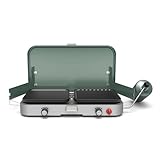
Set up your camp stove and food storage containers. A reliable portable camping stove is essential for preparing meals efficiently and safely at your campsite.
8. Secure Your Campsite:
- What to do: Before leaving your site for any extended period (like a hike) or at night, secure all food, trash, and scented items. This includes toiletries.
- What “good” looks like: All food and attractants are stored in a bear-resistant container, your vehicle, or hung properly if required. Trash is in a sealed bag.
- Common mistake: Leaving food or trash accessible. This habit can lead to habituated wildlife, which is bad for both campers and animals. Always assume something wants your snacks.
9. Familiarize Yourself with Park Amenities:
- What to do: Locate restrooms, water sources, trash disposal areas, and any park trails or points of interest.
- What “good” looks like: You know where everything is, so you don’t have to search when nature calls or you need water.
- Common mistake: Not knowing where the nearest restroom is when you really need it. A quick orientation saves you from awkward situations.
10. Enjoy Your Camp:
- What to do: Relax, explore, cook, and take in the surroundings. Be mindful of park rules and quiet hours.
- What “good” looks like: You’re having a great time, respecting the park and fellow campers.
- Common mistake: Being overly noisy or disruptive, especially during quiet hours. This annoys everyone. Be a good neighbor.
Common mistakes (and what happens if you ignore them)
| Mistake | What it causes | Fix |
|---|---|---|
| Not checking fire restrictions | Fines, wildfire, damage to park, injury. | Always check the TPWD website or call the park <em>before</em> you go. |
| Arriving without a reservation | No campsite available, especially on busy weekends or holidays. | Book well in advance online or by phone. Have a backup plan or consider dispersed camping (if allowed). |
| Leaving food/trash out | Attracts wildlife (raccoons, possums, etc.), leading to habituated animals. | Secure all food and trash in a vehicle or approved container. Pack it out. |
| Setting up tent on a slope | Uncomfortable sleep, rolling around all night. | Scout for the flattest spot. Use extra padding if needed. |
| Not staking down a tent | Tent blows away or collapses in wind. | Stake down every guy line and anchor point, even if it’s calm. |
| Bringing firewood from out of state | Spreading invasive insects and diseases that harm local trees. | Buy firewood locally or gather fallen wood if permitted. Check TPWD rules on firewood. |
| Ignoring park quiet hours | Disturbing other campers, potential warnings or eviction from the park. | Be mindful of noise levels, especially after 10 PM. |
| Not having a backup plan for weather | Getting soaked, cold, or having to pack up and leave unexpectedly. | Pack rain gear, extra layers, and be prepared for wind and sun. |
| Not knowing where restrooms are | Inconvenience, emergency dashes. | Locate restrooms on your park map upon arrival. |
| Overpacking or forgetting essentials | Unnecessary weight, or needing to make a trip back to town. | Make a detailed checklist and review it before packing. |
Decision rules (simple if/then)
- If the forecast calls for high winds, then secure your tent extra well because wind can damage or relocate your shelter.
- If you see wildlife near your campsite, then immediately store all food and scented items because they are looking for a meal.
- If you plan to build a campfire, then confirm fire restrictions are lifted because breaking these rules can lead to serious penalties.
- If you are unsure about a park rule, then ask a park ranger because they are there to help and enforce regulations.
- If you are hiking a new trail, then carry a map and compass (or GPS) because it’s easy to get turned around in unfamiliar territory.
- If you are bringing pets, then check the park’s specific pet policy because not all areas or activities allow them.
- If you are camping during a heatwave, then plan your activities for cooler parts of the day and stay hydrated because heatstroke is a real danger.
- If you notice a potential hazard at your campsite (like a dead tree branch), then report it to park staff because it could be dangerous for others.
- If you are leaving your campsite unattended for more than a few hours, then secure your valuables because theft, though rare, can happen.
- If you are unsure about the water quality, then bring your own potable water or a reliable water filter because you don’t want to get sick.
- If you encounter a snake, then give it plenty of space and do not try to handle it because many are venomous and best left alone.
- If you are planning to swim in the lake, then check for any posted advisories regarding water quality or hazards because safety first.
FAQ
Q: How far in advance should I book a campsite at Eisenhower State Park?
A: It’s highly recommended to book as far in advance as possible, especially for weekends, holidays, and peak seasons. Popular spots can fill up months ahead.
Q: Can I bring my dog to Eisenhower State Park?
A: Yes, dogs are generally allowed in Eisenhower State Park, but they must be kept on a leash no longer than 6 feet and are not permitted in park buildings or on certain designated swimming areas. Always check the park’s specific pet policy for the most current rules.
Q: What kind of wildlife can I expect to see?
A: You might see white-tailed deer, raccoons, various bird species, and possibly some smaller mammals like squirrels and armadillos. Keep a safe distance and never feed them.
Q: Is there cell service at the park?
A: Cell service can be spotty in some areas of Eisenhower State Park. It’s a good idea to download any necessary maps or information offline before you arrive.
Q: What are the typical weather conditions like in the spring and fall?
A: Spring and fall generally offer the most pleasant weather, with mild temperatures during the day and cooler evenings. However, Texas weather can be unpredictable, so always be prepared for sudden changes.
Q: Are there any fees to enter the park or camp?
A: Yes, there are entrance fees and camping fees. These vary depending on the type of campsite and the season. Check the official TPWD Eisenhower State Park page for current rates.
Q: What should I do if I have a camping emergency?
A: For emergencies, dial 911. For non-emergency issues like a minor disturbance or a question, contact the park ranger station or office during their operating hours.
Q: Can I have a campfire at my campsite?
A: Campfires are usually allowed in designated fire rings, but this is subject to current fire restrictions. Always check the park’s status for any burn bans before planning a fire.
What this page does NOT cover (and where to go next)
- Specific campsite numbers and availability.
- Detailed trail maps and GPS coordinates for backcountry areas.
- Current fishing or hunting regulations for the area.
- Specific interpretive programs or ranger-led activities.
To get this information, you’ll want to visit the official Texas Parks and Wildlife Department website for Eisenhower State Park. You can also call the park directly.

Camping Bob has spent over 20 years camping across the US — from BLM dispersed sites in the Southwest to KOA campgrounds in the Pacific Northwest. He writes practical, no-nonsense guides to help fellow campers get outdoors with confidence.