
Cost to Start an RV Park
Quick answer
- Land is the biggest chunk. Expect to pay anywhere from tens of thousands to millions for suitable acreage.
- Infrastructure is pricey. Roads, utilities (water, sewer, electric), and amenities add up fast.
- Permits and zoning are a maze. Budget for fees, studies, and potential delays.
- Building costs vary wildly. From basic pads to full-service hookups, costs swing.
- Soft costs matter. Legal fees, insurance, marketing, and staffing aren’t cheap.
- Think $500k to $5M+ for a decent-sized park. Smaller, rustic spots can be less.
What to check first (do this before you drive out)
Before you even think about digging dirt or pouring concrete, you gotta do your homework. This ain’t just about finding a spot; it’s about making sure you can build and run an RV park there legally and practically.
- Land manager / legality: Who owns the land? Is it private, public (like USFS or BLM land, though usually not for commercial parks), or zoned for commercial use? You need to know if you’re even allowed to build an RV park. Zoning laws are king here. Get that sorted first.
- Access/road conditions: How do folks get to your park? Is the road paved? Can a big RV with a towed vehicle navigate it easily? You don’t want folks getting stuck miles away because the access road is a mud pit or too narrow. Think about truck access for deliveries, too.
- Fire restrictions + weather + wind: This is crucial, especially out West. Are there seasonal fire bans? What’s the typical weather like? Extreme heat, heavy snow, or constant high winds can affect construction and operations. Know your climate.
- Water plan + waste plan (Leave No Trace): Where’s your water coming from? Is there a municipal supply, or do you need a well? And where does the wastewater go? Septic systems or sewer hookups are a huge deal. You gotta handle your waste responsibly. This is non-negotiable.
- Safety (wildlife, distance to help, comms): What kind of wildlife are you dealing with? Bears, snakes, coyotes? You need to plan for that. How far is the nearest hospital or fire department? Cell service can be spotty in rural areas. Think about emergency communication.
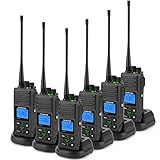
In remote areas where cell service is spotty, consider investing in reliable two-way radios for emergency communication and staff coordination. They can be a lifesaver when you’re far from help.
Step-by-step (field workflow)
Alright, you’ve done your initial checks and you’re serious about this. Here’s how you break it down, step by step. It’s a grind, but worth it if you do it right.
1. Secure the land: Find suitable acreage.
- Good looks like: You own it free and clear or have a solid purchase agreement. It’s zoned correctly or has a clear path to rezoning.
- Common mistake: Buying land without confirming zoning or access. You end up with a pretty piece of property you can’t use for your intended purpose. Avoid this by talking to the county planning department before signing anything.
2. Feasibility study & business plan: Crunch the numbers.
- Good looks like: A detailed plan showing projected income, expenses, and ROI. It includes market research on demand and competition.
- Common mistake: Skipping this and just “winging it.” You’ll likely underestimate costs and overestimate revenue. Do the math; it’s your roadmap.
3. Obtain permits & approvals: Navigate the red tape.
- Good looks like: You have all necessary permits: zoning, building, environmental, health department, etc.
- Common mistake: Starting construction before permits are approved. This leads to fines, forced demolition, and massive delays. Patience is key here.
4. Site design & engineering: Map out the park.
- Good looks like: Professional blueprints showing RV pad placement, road layout, utility trenching, drainage, and common areas.
- Common mistake: DIY site design that doesn’t account for proper grading, drainage, or utility runs. This causes flooding and utility issues down the road. Hire an engineer.
5. Secure financing: Get the money.
- Good looks like: You have secured loans, investors, or personal funds to cover all projected costs.
- Common mistake: Underestimating the total capital needed and running out of cash mid-project. Always have a contingency fund.
6. Clear and grade the land: Prep the site.
- Good looks like: The land is cleared of trees/debris and graded according to engineering plans for proper drainage and roadbeds.
- Common mistake: Inadequate grading leading to water pooling and erosion. Make sure the crew understands the site plan.
7. Install utilities: Water, sewer, electric.
- Good looks like: Functional, code-compliant water lines, sewer/septic systems, and electrical hookups at each site.
- Common mistake: Cutting corners on utility installation, leading to leaks, power outages, or code violations. This is a major expense to fix later. Get it done right the first time.
8. Build roads and pads: Get the infrastructure in place.
- Good looks like: Durable, well-compacted roads and level RV pads that can handle vehicle weight and weather.
- Common mistake: Using cheap materials or improper compaction for roads and pads, leading to potholes and uneven sites. Your guests expect solid ground.
9. Install amenities: Bathhouses, laundry, office.
- Good looks like: Clean, functional buildings and amenities that enhance the guest experience.
- Common mistake: Overspending on fancy amenities that guests don’t use or underbuilding essential ones like restrooms. Focus on durability and practicality.
10. Landscaping and final touches: Make it look good.
- Good looks like: A welcoming entrance, clear signage, and basic landscaping that adds curb appeal.
- Common mistake: Neglecting aesthetics, making the park feel run-down before it even opens. First impressions matter.
11. Marketing and launch: Open for business.
- Good looks like: A website, online listings, and a clear booking system ready to go.
- Common mistake: Opening without a marketing plan, leading to empty sites. You need to tell people you exist.
12. Ongoing operations & maintenance: Keep it running.
- Good looks like: Regular upkeep of grounds, utilities, and facilities, plus responsive customer service.
- Common mistake: Deferred maintenance that leads to costly repairs and unhappy campers. It’s a marathon, not a sprint.
Common mistakes (and what happens if you ignore them)
| Mistake | What it causes | Fix |
|---|---|---|
| Skipping zoning/permit checks | Fines, forced demolition, project halt, wasted money. | Always verify zoning and secure all required permits <em>before</em> purchasing land or starting any construction. Consult local authorities. |
| Underestimating infrastructure costs | Running out of money mid-project, using subpar materials, delays. | Get detailed engineering estimates for utilities, roads, and pads. Add a significant contingency buffer (20-30%). |
| Poor site drainage design | Flooded RV sites, erosion, damaged roads, mold/mildew in buildings. | Hire a civil engineer to design proper grading and drainage systems. Ensure adequate culverts and retention areas. |
| Inadequate electrical capacity | Overloaded circuits, power outages, inability to support modern RVs. | Consult with an electrical engineer to size the system appropriately for peak demand and future expansion. |
| Not planning for waste disposal | Environmental violations, costly septic system failures, public health issues. | Design a robust septic system or connect to municipal sewer. Understand local regulations for waste management. |
| Ignoring road quality and access | Difficulty for RVs, damaged vehicles, poor guest experience, negative reviews. | Use proper road base materials and compaction. Ensure clear, wide access routes suitable for large vehicles. |
| Lack of a solid business plan | Poor financial projections, insufficient capital, inability to attract investors. | Develop a comprehensive business plan including market analysis, financial projections, and operational strategies. |
| Insufficient insurance coverage | Financial ruin from accidents, lawsuits, or natural disasters. | Secure adequate general liability, property, and potentially umbrella insurance policies tailored to RV park operations. |
| Poorly maintained common areas | Unhappy guests, perception of neglect, safety hazards. | Establish a regular maintenance schedule for restrooms, laundry, grounds, and amenities. |
| Inadequate marketing and online presence | Low occupancy rates, struggling to attract customers. | Build a professional website, utilize online travel agencies (OTAs), and engage in local tourism marketing. |
| Not budgeting for unexpected issues | Project delays, cost overruns, inability to complete the park. | Always include a contingency fund (15-25%) in your budget for unforeseen problems and changes. |
| Cutting corners on construction materials | Premature wear and tear, frequent repairs, safety issues, guest complaints. | Invest in durable, high-quality materials for roads, pads, utilities, and buildings. Think long-term durability. |
Decision rules (simple if/then)
- If the land is zoned for agriculture only, then you likely need to pursue a zoning change to commercial, because RV parks are commercial operations.
- If the nearest sewer line is more than a mile away, then a septic system is probably your only option, because extending sewer lines is prohibitively expensive.
- If the average annual rainfall is high, then robust drainage and road base design are critical, because water will be your biggest enemy.
- If your target market is primarily large, luxury RVs, then you need to ensure sites are spacious and utilities are robust (50-amp service minimum), because they expect premium amenities.
- If you plan to operate year-round, then you must consider winterization and snow removal costs, because cold weather adds significant operational complexity.
- If the local labor market is tight, then you might need to factor in higher wages and potentially housing for staff, because finding good help can be tough.
- If you’re looking at a remote location, then consider backup power generation and reliable internet solutions, because utility outages and poor connectivity are major guest complaints.
- If you need significant site grading, then budget for heavy equipment rental and skilled operators, because moving earth is a major cost driver.
- If the property has significant environmental concerns (wetlands, endangered species), then expect longer permitting times and potentially mitigation costs, because environmental reviews can be extensive.
- If you plan to offer extensive amenities like a pool or restaurant, then you’ll need to factor in additional permits, insurance, and staffing costs, because these add substantial complexity and expense.
- If your initial financial projections show a low ROI, then reconsider the scale of the project or the location, because a marginal project is a high-risk venture.
- If you can’t secure reliable, affordable utilities (water, electric, sewer), then the location is likely not viable for a full-service RV park, because these are non-negotiable for most campers.
FAQ
How much does land typically cost for an RV park?
Land prices vary wildly. You might find acreage for tens of thousands in rural areas or millions in desirable tourist destinations. Location, size, and existing infrastructure are huge factors.
What are the biggest utility costs?
Electrical hookups, especially 50-amp service, can be expensive to install. Sewer or septic systems are also major investments, depending on your location and the number of sites.
Do I need a business license and permits?
Absolutely. You’ll need local, county, and possibly state business licenses, plus specific permits for building, zoning, environmental compliance, and health and safety.
How much does it cost to build a basic RV pad?
A simple gravel pad might cost a few hundred dollars in materials. A concrete pad with full hookups (water, sewer, electric) can run from $5,000 to $15,000 or more per site, depending on site prep and local labor costs.
Is it cheaper to build a rustic park or a full-service one?
A rustic park with minimal amenities (maybe just water and a dump station) will cost significantly less upfront than a park with full hookups, Wi-Fi, bathhouses, and laundry facilities.
What about insurance costs?
Insurance is a significant ongoing expense. Expect to pay for general liability, property insurance, and potentially workers’ compensation. Costs depend on location, amenities, and risk factors.
How much should I budget for legal and consulting fees?
You’ll need lawyers for land purchase, zoning, and contracts, plus engineers for design and surveyors. Budget several thousand dollars, potentially tens of thousands, for these professional services.
Can I start with a smaller park and expand later?
Yes, that’s a common strategy. You could start with a phase of 20-30 sites and expand as demand and revenue allow. This reduces initial capital risk.
What are the ongoing operational costs?
Think property taxes, utilities (common areas), staff wages, marketing, insurance, maintenance, and supplies. These add up quickly and need to be factored into your pricing.
Is it worth the investment?
For many, yes. RV travel is popular, and well-managed parks can be profitable. However, it requires significant capital, hard work, and a good understanding of the hospitality business.
What this page does NOT cover (and where to go next)
- Specific financing options: We didn’t dive deep into SBA loans, private investors, or other funding avenues. Look into small business loan programs and talk to financial advisors.
- Detailed marketing strategies: This covers the “what” of starting, not the “how” of filling your park. Research digital marketing, local partnerships, and RV community engagement.
- Day-to-day park management software: Choosing booking systems, POS, or accounting software is a whole other ballgame. Explore options for campground management software.
- Legal specifics for your state/county: Zoning, building codes, and environmental regulations vary greatly. Consult local authorities and legal counsel for precise requirements.
- Design and construction best practices: While we touch on utilities and pads, detailed architectural and engineering plans are beyond this scope. Hire qualified professionals.

Camping Bob has spent over 20 years camping across the US — from BLM dispersed sites in the Southwest to KOA campgrounds in the Pacific Northwest. He writes practical, no-nonsense guides to help fellow campers get outdoors with confidence.