
Becoming a Camp Host: What You Need to Know
Quick answer
- Volunteer or get paid to manage campgrounds.
- Skills needed: people skills, basic maintenance, organization.
- Get experience: camp, hike, volunteer locally first.
- Check land managers: NPS, USFS, BLM, state parks, private.
- Be ready for long hours, remote locations, and all kinds of weather.
- It’s a great way to see the outdoors and help others.
What to check first (do this before you drive out)
Before you even think about packing your bags for a camp host gig, you gotta do some homework. This ain’t just showing up and hanging out.
- Land manager / legality: Who’s actually in charge here? Is it the National Park Service, the Forest Service, the Bureau of Land Management, a state park system, or even a private outfit? Each has its own rules and expectations. You need to know who you’re working for and what their regulations are.
- Access/road conditions: How do you get there? Is it a paved highway all the way, or are we talking gravel roads that might turn to mud after a rain? Some spots need 4WD or high clearance. Don’t show up in your Prius if the job requires an off-road beast.
- Fire restrictions + weather + wind: This is huge. Fire bans can change daily. Know the current restrictions before you light a match. Also, check the forecast. Are you heading into monsoon season, a heatwave, or a blizzard? Wind can be a serious factor in exposed campgrounds.
- Water plan + waste plan (Leave No Trace): Where does your drinking water come from? Is it potable, or do you need to filter/treat it? How are you handling trash and human waste? This ties directly into Leave No Trace principles. You’ll be enforcing these, so you gotta live ’em.
- Safety (wildlife, distance to help, comms): What kind of critters are in the area? Bears? Snakes? Know the drill. How far is the nearest town or medical help? Cell service is often spotty, so what’s your communication plan if something goes wrong?
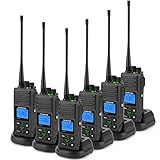
Since cell service can be unreliable, consider investing in a good set of two-way radios for communication with supervisors or other staff members, especially if you’re patrolling a large area.
When considering safety, especially in remote areas, a comprehensive camping first aid kit is an absolute must-have. It’s better to be overprepared for any minor injuries or emergencies.

Step-by-step (field workflow)
So you’ve landed a camp host gig. Awesome. Now, what does a typical day, or rather, a typical process, look like?
1. Arrive and check in: Get to the campground and find your supervisor or the designated contact person.
- Good looks like: Being on time, having your paperwork ready, and introducing yourself clearly.
- Common mistake: Showing up late or unannounced, making a bad first impression. Avoid this by confirming your arrival time beforehand.
2. Site orientation: Get a tour of the campground. Learn where everything is: restrooms, water spigots, trash bins, dumpsters, host sites, emergency access points.
- Good looks like: Asking questions about anything that’s unclear. Taking notes.
- Common mistake: Assuming you know where things are, then getting lost or sending campers the wrong way. Pay attention!
3. Understand your duties: Clarify your specific responsibilities. Is it fee collection, cleaning restrooms, mowing, trail maintenance, answering visitor questions, enforcing rules, or a mix of everything?
- Good looks like: Having a written list or clear verbal understanding of expectations.
- Common mistake: Being vague about duties and then getting overloaded or missing key tasks. Get it in writing if possible.
4. Familiarize yourself with rules: Know the campground’s specific rules and regulations. Quiet hours, pet policies, fire restrictions, stay limits.
- Good looks like: Reading the rule book (if provided) and asking your supervisor for clarification.
- Common mistake: Not knowing the rules and letting violations slide, or enforcing them incorrectly, causing conflict.
5. Set up your host site: Get your living quarters set up. Understand hookups (water, electric, sewer) if applicable.
- Good looks like: A clean, organized, and functional living space.
- Common mistake: Leaving your personal space messy, which reflects poorly on you and the program. Keep it tidy.
6. Begin visitor interaction: Greet campers as they arrive. Provide information, answer questions, and help them find sites.
- Good looks like: A friendly, welcoming demeanor. Offering a map and basic info.
- Common mistake: Ignoring new arrivals or seeming annoyed by questions. Campers are your customers; treat them well.
7. Perform routine maintenance: This could involve emptying trash, cleaning restrooms, sweeping campsites, or light landscaping.
- Good looks like: Completing tasks efficiently and to a high standard.
- Common mistake: Putting off tasks until they become overwhelming or unsanitary. Stay on top of it daily.
8. Monitor the campground: Walk or drive through regularly. Check for rule violations, safety hazards, or issues needing attention.
- Good looks like: Being observant and proactive.
- Common mistake: Staying in your host site all day and missing problems. Patrol your area.
9. Handle issues and conflicts: Address minor rule infractions calmly. Escalate serious problems to your supervisor or the appropriate authorities.
- Good looks like: De-escalating situations with a calm, firm approach.
- Common mistake: Getting into arguments or trying to handle situations beyond your scope. Know when to call for backup.
10. End-of-day wrap-up: Secure the campground if necessary. Ensure all tasks are completed. Prepare for the next day.
- Good looks like: A smooth transition into the evening, knowing everything is in order.
- Common mistake: Leaving tasks undone, leading to a chaotic start the next morning.
Common mistakes (and what happens if you ignore them)
| Mistake | What it causes | Fix |
|---|---|---|
| Ignoring Leave No Trace principles | Environmental damage, negative camper experiences, potential fines for campers. | Educate yourself and campers. Lead by example. Report violations to the land manager. |
| Poor communication with supervisor | Misunderstandings, missed tasks, feeling unsupported, potential job loss. | Schedule regular check-ins. Ask questions. Report issues promptly. |
| Inconsistent rule enforcement | Camper frustration, perceived favoritism, breakdown of campground order. | Apply rules fairly and consistently. Know the rules thoroughly. Consult supervisor if unsure. |
| Neglecting restroom cleaning | Unsanitary conditions, health hazards, extreme camper dissatisfaction. | Establish a rigorous cleaning schedule. Report any issues with plumbing or supplies immediately. |
| Arriving unprepared (supplies, gear) | Discomfort, inability to perform duties, needing to leave for essentials. | Pack smart. Bring tools, cleaning supplies, and personal items. Confirm what’s provided. |
| Not knowing emergency procedures | Delayed response to accidents, inability to help in critical situations. | Understand evacuation routes, emergency contacts, and your role in an emergency. Practice drills. |
| Over-promising or giving bad advice | Camper frustration, safety risks, damage to your credibility. | Stick to what you know. If you don’t know, say so and find out from the supervisor. |
| Letting personal issues interfere | Unprofessionalism, poor camper relations, burnout. | Maintain professional boundaries. Take breaks. Seek support from your supervisor if needed. |
| Ignoring wildlife safety guidelines | Harm to wildlife, injury to campers, potential for dangerous encounters. | Educate yourself on local wildlife. Secure food properly. Advise campers on safe practices. |
| Not documenting issues or maintenance | Difficulty tracking problems, lack of justification for repairs, lost info. | Keep a logbook of daily activities, maintenance, and any incidents. |
Decision rules (simple if/then)
- If a camper is having a loud party after quiet hours, then politely remind them of the rules because respecting other campers is key.
- If a camper is asking for directions to a place you don’t know, then say “Let me check that for you” and find the correct info because accurate advice builds trust.
- If you see a bear rummaging through an unsecured cooler, then calmly approach (from a safe distance) and make noise to scare it away because habituated bears are dangerous to themselves and others.
- If the fire danger is “High” or “Extreme,” then enforce the fire ban strictly because wildfire prevention is paramount.
- If a camper’s tent is pitched in a “No Camping” zone, then ask them to move to a designated site because regulations protect sensitive areas.
- If you find a lost child, then stay with them, keep them calm, and contact your supervisor or authorities immediately because their safety is the top priority.
- If a camper is asking for a refund for a site they haven’t used, then refer them to your supervisor or the official reservation system because you likely don’t have the authority to issue refunds.
- If a vehicle is parked blocking a campsite or access road, then try to locate the owner and ask them to move it because unimpeded access is crucial.
- If you notice a water spigot is leaking significantly, then report it to maintenance or your supervisor right away because water conservation is important.
- If a camper is complaining about a neighbor, then listen empathetically but advise them to resolve it respectfully or report it if it escalates because you are a host, not a mediator for minor disputes.
- If you are scheduled to work a shift and feel unwell, then notify your supervisor as soon as possible because your health and the campground’s operation are both important.
FAQ
How much do camp hosts get paid?
Pay varies wildly. Some positions are strictly volunteer, offering a free campsite and amenities. Others offer a small stipend, hourly wage, or reimbursement for certain expenses. Always clarify compensation upfront.
What kind of experience do I need?
You don’t usually need formal experience. Strong people skills, a willingness to work hard, basic outdoor knowledge, and a good attitude are key. Prior camping or customer service experience helps.
What are the typical hours like?
Expect long hours, often including weekends and holidays. Your duties might be spread throughout the day, and you’re often “on call” even when not actively cleaning or interacting.
Can I bring my RV or trailer?
Most camp host positions provide a campsite for you, often with hookups for an RV. Some may offer a small stipend if you use your own rig. Confirm this when applying.
What if I don’t like dealing with people?
Being a camp host is all about people. You’ll interact with a constant stream of visitors. If you’re not a “people person,” this probably isn’t the gig for you.
What are the biggest challenges?
Dealing with difficult visitors, working in all types of weather, isolation (sometimes), and the physical demands of the job are common challenges.
Is it mostly cleaning?
Cleaning is a big part, especially restrooms and common areas. But it also includes visitor services, light maintenance, fee collection, and enforcing rules. It’s a varied role.
How do I find camp host jobs?
Check the websites of land management agencies (NPS, USFS, BLM, state parks) and look for volunteer or employment sections. Private campgrounds and RV parks also hire hosts.
What this page does NOT cover (and where to go next)
- Specific campground reservation systems and booking details.
- Detailed legal requirements for operating a campground.
- In-depth wildlife identification and specific encounter protocols (beyond general safety).
- Advanced wilderness survival techniques or first aid.
- The intricacies of federal employment benefits or volunteer program specifics.

Camping Bob has spent over 20 years camping across the US — from BLM dispersed sites in the Southwest to KOA campgrounds in the Pacific Northwest. He writes practical, no-nonsense guides to help fellow campers get outdoors with confidence.