
What Is the Weight Capacity of an Air Bed?
Quick answer
- Most standard queen-size air beds hold between 300-600 pounds.
- Always check the manufacturer’s label or product page for the exact limit.
- Weight limits are for the total weight, not per person.
- Distribute weight evenly for best results and longevity.
- Exceeding the limit can cause sagging, leaks, or structural damage.
- Consider a heavy-duty model if you need higher capacity.
If you anticipate needing a higher capacity, consider investing in a heavy-duty air bed designed for greater weight. These models often feature reinforced construction for enhanced durability.

What to check first (do this before you drive out)
Before you even think about packing the car, get the lowdown on your air bed’s capabilities. This isn’t just about comfort; it’s about safety and making sure your mattress doesn’t decide to spontaneously deflate in the middle of the night.
- Manufacturer’s Specs: This is your bible. Seriously. Find the box, the manual, or the product page online. It’ll state the weight capacity right there. If you can’t find it, assume it’s on the lower end of average. I once bought a cheap one that claimed “fits two people” but barely held one of me and my pack. Lesson learned.
- Intended Use: Is this your go-to for car camping, or are you hoping it’ll survive a backpacking trip? While most air beds are for base camping, some are built tougher. Know what you’re buying.
- Air Pump Type: Not directly related to weight, but a good pump saves your sanity. Battery-powered is convenient, but a manual or electric pump with a long cord is often more reliable for longer trips.
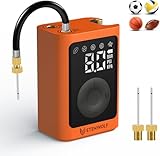
While not directly related to weight, a reliable electric air pump can make inflation much easier and faster, especially for larger air beds. Look for one with different nozzle attachments for versatility.
- Repair Kit: Most decent air beds come with a patch kit. Make sure you know where it is and how to use it. A small leak can ruin a trip faster than mosquitoes.
Step-by-step (field workflow)
Setting up your air bed is pretty straightforward, but doing it right keeps it from becoming a deflated disappointment.
1. Choose your spot: Find a flat, clear area.
- Good: Smooth, level ground, free of sharp objects like rocks or twigs.
- Mistake: Setting up on a slope or over debris. This leads to uneven support and potential punctures. Clear the area meticulously.
2. Lay out the air bed: Unfold it carefully.
- Good: Spread it out flat, making sure there are no kinks or folds that will cause stress points.
- Mistake: Rushing and just tossing it down. This can lead to uneven inflation and stress on seams. Take a moment to orient it correctly.
3. Locate the valve: Find the inflation valve.
- Good: Easily accessible and not obstructed by the mattress itself.
- Mistake: Not checking the valve type or if it’s properly sealed. Some have multiple parts; make sure they’re all in place.
4. Connect the pump: Attach your air pump securely.
- Good: A snug, airtight connection. No hissing sounds.
- Mistake: A loose connection that lets air escape. Double-check it’s firmly seated.
5. Inflate to desired firmness: Begin pumping air.
- Good: Inflate until it’s firm but still has a little give. You should be able to press down and feel some cushion.
- Mistake: Over-inflating. This puts excessive strain on the seams and can make the bed too stiff and uncomfortable. Stop when it feels supportive.
6. Check for leaks: Listen for any hissing.
- Good: Silence. No air escaping.
- Mistake: Ignoring faint hisses. Even a small leak will make a difference overnight. If you hear one, feel around the seams and valve.
7. Close and secure the valve: Seal the inflation valve tightly.
- Good: The valve is fully closed, and any caps are secured.
- Mistake: Leaving the valve partially open or not replacing caps. This is an invitation for leaks.
8. Test the weight capacity: Gently sit or lie on the bed.
- Good: The bed supports your weight evenly without excessive sagging or feeling like it’s about to burst.
- Mistake: Immediately jumping on it or having multiple people pile on. Distribute your weight gradually.
9. Adjust firmness if needed: Add or release a little air.
- Good: You’ve found your sweet spot for comfort and support.
- Mistake: Settling for too firm or too soft. A little adjustment goes a long way.
10. Add bedding: Put on your sheets and sleeping bags.
- Good: Everything fits nicely and adds to the cozy factor.
- Mistake: Cramming sheets that don’t fit. This can pull on the air bed and make it feel less stable.
Common mistakes (and what happens if you ignore them)
| Mistake | What it causes | Fix |
|---|---|---|
| Exceeding weight capacity | Sagging, premature seam failure, leaks, permanent deformation, reduced lifespan | Stick to the manufacturer’s stated weight limit. |
| Setting up on uneven or rough terrain | Uneven support, discomfort, potential punctures from sharp objects | Scout your campsite for a flat, smooth, and clear spot. Use a ground tarp. |
| Over-inflating the air bed | Stretched seams, increased risk of bursting, uncomfortable “rock-hard” sleeping surface | Inflate until firm but with a slight give. Listen for hissing. |
| Under-inflating the air bed | Excessive sagging, poor support, feeling the ground through the mattress | Add more air until it feels supportive and comfortable. |
| Not checking for leaks after inflation | Gradual deflation overnight, waking up on the cold ground | Listen carefully for hissing sounds and feel around seams and the valve. |
| Rough handling during setup/takedown | Punctures, tears, damage to valves or seams | Be deliberate and careful. Avoid dragging the bed over rough surfaces. |
| Storing the air bed damp or dirty | Mold, mildew, fabric degradation, unpleasant odors | Ensure the air bed is completely dry and clean before folding and storing. |
| Using sharp objects near the air bed | Punctures, leaks, irreparable damage | Keep knives, tent stakes, and other sharp items well away from the air bed. |
| Not distributing weight evenly | Increased stress on specific areas, potential for sagging in the middle | Encourage people to spread out when sitting or lying down. |
| Ignoring the manufacturer’s instructions | Voiding warranty, unexpected failures, reduced performance | Read the manual. It’s there for a reason. |
Decision rules (simple if/then)
- If your camping group includes larger individuals or multiple people, then choose an air bed specifically rated for higher weight capacity because standard models may not suffice.
- If you’re car camping on established sites, then a standard electric pump is usually fine because you’ll have vehicle power, but for dispersed camping, a battery-powered or manual pump is essential because you won’t have access to electricity.
- If you find a small leak, then try to patch it immediately because small leaks can grow and become a bigger problem.
- If the air bed feels too soft, then add a little more air because proper inflation is key to support and comfort.
- If the air bed feels too hard, then release a small amount of air because over-inflation can damage the bed and make it uncomfortable.
- If you’re unsure about the weight limit, then err on the side of caution and assume it’s lower because it’s better to be safe than sorry.
- If you notice significant sagging in the middle, then check the inflation level and weight distribution because it might be under-inflated or overloaded.
- If you’re camping in cold weather, then ensure the air bed is well-inflated because trapped air provides some insulation, but remember it’s not a substitute for a good sleeping bag.
- If you’re sharing an air bed, then be mindful of how you move to avoid transferring too much motion to your partner because air beds can amplify movement.
- If you plan on using your air bed frequently, then invest in a more durable, higher-quality model because they tend to last longer and handle more stress.
For groups with multiple people or heavier individuals, a heavy-duty air bed is a smart choice to ensure comfort and prevent premature wear. These are built to handle more stress than standard models.
FAQ
Q: How do I know if I’m exceeding the weight limit?
A: You’ll likely notice significant sagging in the middle, a feeling that you’re sinking too low, or the air bed might start to make creaking sounds. If it looks like it’s bulging or straining, that’s a bad sign.
Q: Can I put an air mattress on top of a cot?
A: Yes, you can, but make sure the cot is sturdy and rated for the combined weight. It can offer a bit more support and elevation.
Q: Does the weight limit apply to each person or the total?
A: The weight limit is for the total weight placed on the air bed, including people, pets, and any gear you might have on it.
Q: What’s the difference between a standard and heavy-duty air bed?
A: Heavy-duty models are built with thicker materials, stronger seams, and often have internal structures designed to support more weight and withstand more rigorous use.
Q: Will body weight affect the air bed differently on uneven ground?
A: Absolutely. Uneven ground concentrates pressure on certain points of the air bed, making it more susceptible to stress and potential failure, especially if you’re near the weight limit.
Q: How long should an air bed last?
A: With proper care and adherence to weight limits, a good quality air bed can last several years. Frequent use, rough handling, or exceeding limits will shorten its lifespan considerably.
Q: Can kids jumping on an air bed cause damage?
A: Yes, jumping puts sudden, high-impact stress on the seams and internal structure, which can lead to leaks or blowouts, even if the static weight limit isn’t exceeded.
Q: What if my air bed feels lumpy?
A: This can happen if the air isn’t distributed evenly or if the internal structure is damaged. Try deflating it slightly and reinflating carefully, ensuring a smooth surface.
What this page does NOT cover (and where to go next)
- Specific brand reviews or comparisons.
- Detailed repair techniques for major structural damage.
- The best types of sleeping bags for different temperatures.
- Advanced campsite selection strategies for off-road locations.
- The science of air pressure and its effect on different materials.

Camping Bob has spent over 20 years camping across the US — from BLM dispersed sites in the Southwest to KOA campgrounds in the Pacific Northwest. He writes practical, no-nonsense guides to help fellow campers get outdoors with confidence.