
Packing Up Made Easy: How to Put a Pop-Up Tent Away
Quick answer
- Find a flat, clear spot to work.
- Release all tension from the poles.
- Fold the tent in half, then in thirds.
- Stuff it into the bag, don’t roll.
- Secure the bag with straps.
- Double-check for any forgotten gear.
What to check first (do this before you drive out)
Before you even think about packing up, a few things need a quick once-over. This saves you hassle later.
- Land manager / legality: Who owns this patch of dirt? Is it US Forest Service, BLM, a state park, or private land? Knowing this helps you understand any specific rules for packing out or leaving the site. It’s usually posted, but a quick mental check is smart.
- Access/road conditions: How’d you get here? Was it smooth sailing or did you need that 4WD? If you’re in a low-clearance vehicle, the road might be rougher coming out, especially after rain. Plan your exit route accordingly.
- Fire restrictions + weather + wind: Is that campfire still smoldering? Make sure it’s dead out. Check the forecast. A sudden downpour can make packing a soggy mess, and strong winds can turn your tent into a kite. Always err on the side of caution.
- Water plan + waste plan (Leave No Trace): Got all your trash? Pack it out. Did you use water? Make sure you’re not leaving puddles that could freeze or attract critters. LNT is the golden rule out here.
- Safety (wildlife, distance to help, comms): Scan the area for any critter visitors. Make sure your first-aid kit is accessible. And for crying out loud, make sure your phone has a signal or you have a satellite communicator if you’re truly off-grid.
Step-by-step (field workflow)
Alright, let’s get this pop-up packed. It’s not rocket science, but a little method goes a long way.
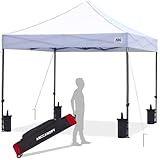
If you’re looking for a reliable pop-up tent that’s easy to pack, consider models known for their intuitive folding mechanisms.
1. Clear the immediate area: Remove all sleeping bags, pads, gear, and debris from inside and around the tent.
- Good: The tent floor and surrounding ground are clean and clear.
- Mistake: Leaving a water bottle or a stray sock inside. You’ll find it later, usually when you’re miles away.
2. Release pole tension: If your tent has any tensioners or adjustable poles, loosen them all up.
- Good: The poles feel slack, not strained.
- Mistake: Trying to fold it with taut poles. It’ll fight you and might not fold right.
3. Collapse the main structure: For most pop-ups, this means pushing the sides inward or collapsing the frame.
- Good: The tent starts to flatten and lose its shape.
- Mistake: Forcing it. If it’s not collapsing easily, you might have missed a latch or a pole connection.
4. Fold in half: Bring the two longer sides of the collapsed tent together.
- Good: You have a long, somewhat flat bundle.
- Mistake: Folding it unevenly. This makes the next step harder.
5. Fold into thirds: Take one end of the folded tent and fold it over about a third of the way. Then fold the other end over to meet it.
- Good: You have a compact, roughly rectangular shape.
- Mistake: Overlapping folds. This creates a lumpy mess that won’t fit the bag.
6. Prepare the bag: Lay the carrying bag flat and open it up.
- Good: The bag is ready to receive the folded tent.
- Mistake: Trying to stuff the tent into a half-zipped bag. Rookie move.
A durable tent carrying bag is essential for protecting your tent. Make sure yours is in good condition or consider upgrading to a more robust option.

7. Stuff, don’t roll: Take the folded tent and push it into the bag. Work from the open end.
- Good: The tent fills the bag without excessive force.
- Mistake: Rolling the tent. It rarely fits neatly and can stress the fabric. Stuffing is key.
8. Secure the bag: Once the tent is inside, pull the drawstring or zip it closed. Then, use any compression straps the bag has.
- Good: The bag is snug and all straps are tightened.
- Mistake: Leaving straps loose. The tent can expand and make the bag bulky.
9. Final sweep: Do a quick visual check of the campsite.
- Good: No gear left behind, no trash visible.
- Mistake: Rushing off without a final look. I’ve definitely forgotten a camp chair or two in my day.
Common mistakes (and what happens if you ignore them)
| Mistake | What it causes | Fix |
|---|---|---|
| Not clearing the inside of the tent | Damage to gear, lost items, dirt in the bag | Always do a full sweep before folding. |
| Forcing the poles | Bent poles, torn fabric, difficult packing | Identify and release all tension points before collapsing. |
| Folding unevenly | Lumpy pack, won’t fit in the bag, uneven wear | Aim for straight, even folds at each stage. |
| Rolling the tent instead of stuffing | Bulky bag, difficult to fit, stressed seams | Stuff the tent into the bag, working it into corners. |
| Not releasing pole tensioners | Stretched fabric, difficult to fold, potential tears | Ensure all adjustable straps and tensioners are fully loosened. |
| Packing a wet or dirty tent | Mildew, mold, smells, difficult to clean later | Dry and clean the tent as thoroughly as possible before packing. |
| Not securing compression straps | Bag expands, takes up more space, awkward to carry | Tighten all straps firmly to keep the pack compact. |
| Ignoring weather changes | Soggy gear, difficult packing, potential damage | Check forecast and pack accordingly; be prepared for delays. |
| Rushing the process | Missed steps, damaged gear, forgotten items | Give yourself ample time; it’s not a race. |
| Not checking the bag condition | Bag tears, zipper breaks, lost tent | Inspect the bag for holes or weak seams before packing. |
Decision rules (simple if/then)
- If the ground is wet, then try to find a slightly higher or more exposed spot to pack on because it’ll be less muddy.
- If it’s windy, then find a natural windbreak like a large rock or dense trees because it’ll prevent your tent from blowing away.
- If you have a quick-pitch tent with a spring-loaded frame, then you’ll likely just need to bend it in half and twist to collapse it, because that’s how those are designed.
- If your tent has a separate rainfly, then pack it separately or ensure it’s completely dry and folded neatly before putting it in the main bag, because moisture can cause mildew.
- If you notice any rips or tears, then consider a temporary patch now or make a note to repair it at home, because it’s easier to deal with when you’re not trying to pack up.
- If you’re in a hurry, then focus on getting the tent into the bag without worrying too much about perfect folds, because getting it packed is the priority.
- If the tent bag is too small, then re-fold the tent more compactly, because you might have an air pocket you need to push out.
- If you’re unsure about a specific folding mechanism, then check the manufacturer’s instructions (if you have them), because different designs have different quirks.
- If you’re camping with others, then delegate tasks like gathering gear or clearing the area, because teamwork makes packing faster.
- If you have a large family tent, then it might take two people to manage the folding and stuffing, because size matters.
FAQ
Q: My pop-up tent is really hard to fold. What am I doing wrong?
A: You might be trying to fold it before releasing all the tension from the poles. Make sure everything is loose and slack. Sometimes, you have to bend it in a specific way to get it to collapse properly.
For those struggling with a difficult-to-fold pop-up tent, checking the manufacturer’s instructions or looking for online tutorials specific to your model can be very helpful.
Q: Can I just roll my pop-up tent up like a sleeping bag?
A: Nope. Most pop-up tents are designed to be stuffed into their bags, not rolled. Rolling can create uneven pressure points and make it harder to fit.
Q: What if my tent is still a little damp when I pack it?
A: It’s not ideal, but sometimes it happens. Once you get home, unpack it immediately and lay it out to dry completely to prevent mildew and smells.
Q: My tent bag is ripped. What should I do?
A: You can try to patch it with duct tape or a repair kit for now. For a more permanent fix, you might need to look into replacing the bag or sewing a new one.
If your tent bag is ripped, a replacement tent carrying bag can extend the life of your tent and make transport much easier.
Q: How do I make sure I don’t lose any poles or parts?
A: Most pop-up tents have integrated poles. If yours has separate poles, make sure they are all accounted for and secured before you start folding the fabric.
Q: My pop-up tent seems bigger than when I first bought it. Is it stretching?
A: Not usually stretching. It’s more likely that you’re getting better at stuffing it into the bag, or the fabric has relaxed slightly. The key is consistent stuffing.
Q: Is there a “right” way to fold a pop-up tent?
A: Generally, the goal is to collapse it into a compact shape that fits the bag. For most, it’s a process of folding in half, then in thirds, and stuffing.
Q: What if I can’t get all the air out of the tent when stuffing it?
A: That’s pretty normal. Just push and maneuver the fabric into the bag as best you can. Don’t force it so hard that you risk tearing the bag or tent.
What this page does NOT cover (and where to go next)
- Detailed repairs for torn fabric or broken zippers.
- Specific cleaning methods for stubborn stains or odors.
- Advanced tent setup techniques for extreme weather.
- Choosing the right type of tent for your camping style.
- Long-term tent storage solutions.

Camping Bob has spent over 20 years camping across the US — from BLM dispersed sites in the Southwest to KOA campgrounds in the Pacific Northwest. He writes practical, no-nonsense guides to help fellow campers get outdoors with confidence.