
A Step-by-Step Guide to Reserving Your Campsite
Quick answer
- Know your destination and dates.
- Use recreation.gov or the specific land manager’s site.
- Book early, especially for popular spots.
- Read site descriptions carefully.
- Understand cancellation policies.
- Be flexible if your first choice isn’t available.
- Have a backup plan.
What to check first (do this before you drive out)
Before you even think about packing, nail down these essentials. It’ll save you a ton of headaches.
- Land manager / legality: Who actually owns and manages the land you want to camp on? Is it National Forest, BLM, National Park, State Park, or something else? Each has its own rules and reservation systems. A quick look at the agency’s website will tell you if you need a permit, if it’s first-come, first-served, or if reservations are mandatory. Don’t assume. I once rolled up to a spot thinking it was open, only to find out it was a special permit area. Oops.
- Access/road conditions: How do you get there? Is it paved all the way, or are you looking at a dirt road that might be rough? Check for any vehicle restrictions – 2WD, 4WD, high clearance needed? Mud, snow, or washouts can shut down roads faster than you can say “flat tire.” Look for recent reports or call the ranger station.
- Fire restrictions + weather + wind: This is non-negotiable. Check for current fire bans. Seriously. A campfire is awesome, but a wildfire is not. Then, check the weather forecast for your specific area. High winds can make campfires dangerous and tents a nightmare. Be prepared for what Mother Nature throws at you.
High winds can make setting up camp challenging, so ensure your camping tent is sturdy and properly secured to withstand the elements.

- Water plan + waste plan (Leave No Trace): Where will you get water? Is there potable water at the campsite, or do you need to bring your own or have a filter/purifier? Also, how will you handle trash and human waste? Packing out everything you pack in is the golden rule. Know the LNT principles before you go.
When planning your water supply, consider a reliable backpacking water filter to ensure you have clean drinking water, especially if potable water isn’t available at your campsite.

- Safety (wildlife, distance to help, comms): What kind of critters live there? Bears? Mountain lions? Know how to store food properly and what to do if you encounter wildlife. How far is the nearest town or ranger station? Cell service is often spotty to nonexistent in the backcountry. Let someone know where you’re going and when you expect to be back.
Step-by-step (field workflow)
Okay, you’ve done your homework. Now, let’s get that spot booked.
1. Identify your target:
- What: Decide on the general area or park you want to visit.
- Good looks like: You have a region, a park name, or even a specific campground in mind.
- Mistake: Picking a spot without knowing if it’s even open or accessible. Avoid this by doing your initial research.
2. Determine your dates:
- What: Pick your arrival and departure dates. Be specific.
- Good looks like: You have firm dates, maybe with a day or two of flexibility if needed.
- Mistake: Vague dates. “Sometime next month” won’t cut it for booking.
3. Find the booking platform:
- What: Figure out where reservations are made. Most federal lands (National Parks, National Forests, BLM) use Recreation.gov. State Parks often have their own system. Some dispersed camping is first-come, first-served.
- Good looks like: You know the correct website or agency to contact.
- Mistake: Going to the wrong website and getting frustrated. Double-check the land manager.
4. Search for availability:
- What: Enter your dates and location into the booking system.
- Good looks like: You see a list of available campsites or campgrounds.
- Mistake: Giving up after the first search. Many sites fill up fast.
5. Explore campsite details:
- What: Click on individual campsites. Read the descriptions, look at photos, check the amenities (water, toilets, fire pit, table), and note the site size.
- Good looks like: You understand what you’re getting – is it tent-only, RV friendly, walk-in?
- Mistake: Booking a site that doesn’t fit your gear or needs. A 10-foot RV won’t fit in a small tent site.
6. Select your preferred site:
- What: Choose the site that best fits your needs and preferences.
- Good looks like: You’ve highlighted your top choice.
- Mistake: Not having a second or third choice ready. Popular spots go fast.
7. Proceed to checkout:
- What: Add the site to your cart and begin the reservation process.
- Good looks like: You’re filling in your personal information and payment details.
- Mistake: Hesitating too long. Someone else might snag it while you’re deciding.
8. Review and confirm:
- What: Carefully review all the reservation details – dates, site number, fees, cancellation policy.
- Good looks like: Everything is accurate before you hit the final confirmation button.
- Mistake: Rushing through this step and booking the wrong dates or a different site.
9. Save your confirmation:
- What: Take a screenshot or print your reservation confirmation. You’ll need it.
- Good looks like: You have a digital or physical copy readily accessible.
- Mistake: Forgetting to save it. You might not be able to access it later if you lose internet.
10. Note any permit requirements:
- What: Some areas require additional permits beyond the campsite reservation, like wilderness permits or fire permits.
- Good looks like: You know if you need anything extra and how to get it.
- Mistake: Showing up without a required permit and getting turned away.
Common mistakes (and what happens if you ignore them)
| Mistake | What it causes | Fix |
|---|---|---|
| Not booking far enough in advance | Missing out on popular campsites, especially during peak season or holidays. | Use the reservation system’s booking window; book 6 months out if needed. |
| Assuming a site is available | Driving hours only to find it’s full or requires reservations. | Always check the official reservation system or agency website before you leave home. |
| Booking the wrong type of site | Arriving with an RV at a tent-only site, or vice versa. | Read site descriptions carefully; check length limits and amenities. |
| Ignoring cancellation policies | Losing your money if plans change unexpectedly. | Understand the refund window and any fees associated with cancellations or changes. |
| Not checking road conditions | Getting stuck, damaged vehicle, or being unable to reach the campsite. | Research road status; call the ranger station; have appropriate vehicle for the terrain. |
| Forgetting fire restrictions | Getting a ticket, causing a fire, or being unable to have a campfire. | Always check current fire bans and regulations for the specific area. |
| Not having a backup plan | Being stranded without camping options if your primary site is unavailable. | Identify 2-3 alternative campgrounds or dispersed camping areas nearby. |
| Overlooking site amenities | Arriving without essentials like water or realizing there are no toilets. | Review campsite details for water availability, toilet type, and other facilities. |
| Misunderstanding permit requirements | Being denied entry or fined for not having the correct permits. | Verify if any additional permits (wilderness, fire, etc.) are needed for your chosen area. |
| Not letting someone know your plans | Increased risk if something goes wrong and no one knows where you are. | Leave a detailed itinerary with a trusted friend or family member. |
Decision rules (simple if/then)
- If your trip is during a holiday weekend, then book your campsite as soon as the reservation window opens because those spots disappear fast.
- If you’re going to a National Park, then check Recreation.gov first because that’s where most reservations are handled.
- If the campsite description mentions “high clearance” or “4WD required,” then ensure your vehicle meets those needs because the road will likely be rough.
- If there are active fire restrictions, then plan for alternative cooking methods like a camp stove because open fires will be prohibited.
- If you’re looking for dispersed camping, then research BLM or USFS land guidelines because it’s often first-come, first-served and has fewer amenities.
- If your chosen campground is within a few hours of home, then consider calling the ranger station for the most up-to-date road and conditions information because online data can be slow to update.
- If you have a large group, then look for group campsites or book multiple adjacent sites because solo sites might not accommodate everyone together.
- If your dates are flexible, then try searching for mid-week or shoulder-season dates because you’ll have a much better chance of finding availability.
- If you see a campsite with a “walk-in” designation, then be prepared to carry your gear a short distance from where you park your vehicle.
- If you’re planning on a last-minute trip, then focus your search on less popular or first-come, first-served campgrounds because last-minute reservations are rare for prime spots.
- If you need potable water, then verify its availability at the campsite or plan to bring enough for your entire stay because not all sites have running water.
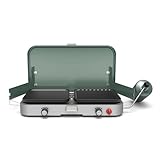
If fire restrictions are in place, a portable camping stove is an essential alternative for cooking your meals safely and efficiently.
FAQ
Q: How far in advance should I book a campsite?
A: For popular spots, especially during peak season or holidays, book as soon as the reservation window opens, which is often 6 months in advance. For less popular areas, a few weeks might be enough.
Q: What’s the difference between a National Park and National Forest campsite?
A: National Parks often have more developed campgrounds with amenities and higher demand, usually booked via Recreation.gov. National Forests might have a mix of developed campgrounds and more primitive sites, some reservable, some first-come, first-served, also often on Recreation.gov or the USFS site.
Q: Can I just show up and hope to get a campsite?
A: Sometimes, yes, for first-come, first-served sites. But for most popular campgrounds, especially in peak season, you absolutely need a reservation. Don’t risk it if you want to guarantee a spot.
Q: What if I need to cancel my reservation?
A: Most reservation systems have a cancellation policy. You can usually cancel online, but check the deadline to avoid losing your entire fee. Some may charge a small cancellation fee.
Q: How do I find out about road closures?
A: Check the website of the land managing agency (USFS, BLM, NPS, State Parks) for alerts and closures. Calling the local ranger station is also a good bet.
Q: Is there a fee to reserve a campsite?
A: Yes, there’s typically a reservation fee on top of the nightly camping fee. These vary by agency and campground.
Q: What if the website says “no availability”?
A: It means all sites are booked for your selected dates. Try searching for different dates, nearby campgrounds, or consider dispersed camping if allowed.
Q: Can I book a campsite over the phone?
A: While some older systems might have offered phone reservations, most modern booking is done online. Recreation.gov is primarily an online platform.
What this page does NOT cover (and where to go next)
- Specific campsite availability or pricing (check the booking site).
- Detailed gear lists for specific camping styles (backpacking vs. car camping).
- In-depth Leave No Trace principles (research LNT.org).
- Advanced navigation or backcountry survival skills (seek specialized training).
- Regulations for specific wildlife encounters (check local wildlife agency guidelines).

Camping Bob has spent over 20 years camping across the US — from BLM dispersed sites in the Southwest to KOA campgrounds in the Pacific Northwest. He writes practical, no-nonsense guides to help fellow campers get outdoors with confidence.