
Folding Your Portable Toilet Tent For Easy Storage
Quick answer
- Practice folding it at home before your first trip.
- Find a flat, clear spot to work.
- Lay the tent flat, then gather poles and fabric.
- Fold the fabric in half, then in thirds.
- Roll it up tightly from the bottom.
- Secure with straps or a bag.
What to check first (do this before you drive out)
Before you even think about packing up camp, especially when it comes to your portable toilet tent, a few things need a quick once-over. This isn’t just about convenience; it’s about making sure your gear lasts and you’re not leaving a mess behind.
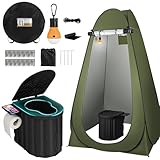
Before you even think about packing up camp, especially when it comes to your portable toilet tent, a few things need a quick once-over. If you’re looking for a reliable and easy-to-use option, consider checking out this highly-rated portable toilet tent.
- Land manager / legality: Know who’s in charge of the land you’re on. Is it National Forest, BLM, a State Park, or private? Each has its own rules. A quick check on their website or a call can save you a headache. You don’t want to be packing up only to find out you weren’t supposed to be there in the first place.
- Access/road conditions: How did you get to your spot? Those dirt roads can change fast. If it rained, is that “easy” track now a mud pit? Consider if your vehicle can handle the return trip, especially if you’re packing out more than just your tent.
- Fire restrictions + weather + wind: This is crucial. Are campfires allowed? Are there high wind warnings? Even if you’re not planning a fire, wind can make packing up a tent a real wrestling match. Check the local forecast and any fire restriction boards.
- Water plan + waste plan (Leave No Trace): You’ve used your toilet tent. Now, where’s that waste going? Make sure you have a plan for packing it out or disposing of it properly according to LNT principles and local regulations. Don’t leave anything behind. And have enough water for cleanup.
- Safety (wildlife, distance to help, comms): While packing, keep an eye out. Bears are always a possibility, so secure food. Know how far the nearest ranger station or town is. And check your cell signal. It’s easy to get tunnel vision folding gear, but stay aware of your surroundings.
Step-by-step (field workflow)
Folding a portable toilet tent is pretty straightforward once you get the hang of it. Think of it like folding a big, awkward blanket.
1. Clear the area: Find a flat, open space, preferably out of the wind. A picnic table or a large tarp can help keep the tent clean.
- Good: You have a clean, level surface to work on.
- Mistake: Trying to fold it on uneven ground or in a cluttered campsite. This can lead to dirt getting into the fabric or poles getting bent.
- Avoid: Take a few minutes to clear a good spot. It’s worth it.
2. Remove poles and stakes: Take out all the poles and stakes from the tent. Store them in their designated bag or sleeve.
- Good: All poles and stakes are accounted for and ready to be stowed.
- Mistake: Leaving poles inside the fabric, which makes folding difficult and can damage the tent material.
- Avoid: Always do a quick visual check to ensure all poles are out.
Take out all the poles and stakes from the tent. If your existing stakes are bent or missing, it’s a good idea to have a set of durable camping tent stakes on hand as replacements.

3. Lay the tent flat: Spread the tent out completely on your cleared surface. Make sure the door is closed.
- Good: The tent is a large, flat rectangle or square.
- Mistake: Leaving wrinkles or folds in the fabric. This makes the next steps harder.
- Avoid: Smooth out as many wrinkles as you can.
4. Fold in half lengthwise: Bring one long side of the tent over to meet the other long side.
- Good: You now have a long, narrower rectangle.
- Mistake: Folding it unevenly, creating a lopsided shape.
- Avoid: Line up the edges as perfectly as possible.
5. Fold in half again (or thirds): Depending on the tent size, you might fold it in half again to create a more compact shape, or fold it into thirds.
- Good: The tent is now a manageable size, roughly the width of its storage bag.
- Mistake: Folding it too many times, making it bulky and hard to roll.
- Avoid: Aim for 2-3 main folds that approximate the final desired shape.
6. Gather and smooth: Smooth out any remaining major wrinkles and gather the folded fabric into a somewhat tight bundle.
- Good: The fabric is consolidated and ready for rolling.
- Mistake: Leaving loose ends or lumps. This makes rolling difficult.
- Avoid: Press down and smooth as you go.
7. Roll from the bottom: Start rolling the folded tent tightly from one of the open ends. Imagine you’re rolling up a sleeping bag.
- Good: A tight, compact roll that’s easy to manage.
- Mistake: Rolling loosely, which results in a bulky, unstable package.
- Avoid: Apply consistent pressure as you roll.
8. Secure the roll: Once rolled, use the tent’s built-in straps, any included ties, or even a bungee cord to keep it tightly bound.
- Good: The roll stays secure and won’t unspool.
- Mistake: Not securing it well, leading to it expanding in your gear.
- Avoid: Make sure the straps are snug.
9. Place in storage bag: Carefully slide the rolled tent into its carrying bag.
- Good: The tent fits easily into the bag.
- Mistake: Forcing a poorly rolled tent into the bag, which can damage the bag or the tent.
- Avoid: If it’s a struggle, unroll slightly and re-roll tighter.
Carefully slide the rolled tent into its carrying bag. If your original bag is worn out or you need a more robust option, a dedicated tent storage bag can help protect your gear.

Common mistakes (and what happens if you ignore them)
| Mistake | What it causes | Fix |
|---|---|---|
| Not clearing a flat folding surface | Dirt, debris, or uneven ground damage tent fabric or bend poles. | Always find a clean, level spot before starting. |
| Leaving poles inside the fabric | Makes folding awkward, can tear the fabric, and results in a lumpy package. | Remove all poles and stakes first. |
| Not smoothing out wrinkles | Leads to a bulky, uneven fold that’s hard to manage and store. | Lay the tent flat and smooth out major creases before folding. |
| Folding unevenly | Creates an unbalanced shape that’s difficult to roll and store. | Align edges carefully when folding in half or thirds. |
| Rolling too loosely | The tent expands, takes up more space, and can become a nuisance in your pack. | Apply firm, consistent pressure while rolling tightly. |
| Not securing the rolled tent | The roll can unravel, making it hard to pack and potentially damaging the tent. | Use all available straps or ties to keep the roll compact. |
| Forcing a poorly rolled tent into bag | Tears the storage bag or damages the tent fabric. | Re-roll if it’s too tight for the bag; aim for a snug fit, not a struggle. |
| Folding a damp or dirty tent | Can lead to mildew, mold, or lingering odors, and attracts pests. | Always dry and clean your tent before storing for extended periods. |
| Rushing the process | Missed steps, improper folds, and damaged gear. | Take your time, especially when you’re learning. It gets faster with practice. |
| Ignoring wind | Tent fabric whips around, making folding impossible and potentially damaging. | Wait for calmer conditions or use your vehicle/body to block the wind while you fold. |
Decision rules (simple if/then)
- If the ground is wet and muddy, then use a tarp to keep the tent clean because you don’t want to pack up a muddy mess.
- If it’s windy, then wait for a lull or use a helper to hold the tent down because wind can turn tent folding into a rodeo.
- If you’re in a hurry, then focus on getting the poles and stakes secured first because those are critical to the tent’s structure.
- If the tent feels stiff or difficult to fold, then check for any missed poles or obstructions because something is likely still inside.
- If you notice a tear or damage while folding, then make a note to repair it later because you don’t want to forget.
- If you are packing out human waste, then ensure the tent is clean and dry before sealing it in a waste bag because you don’t want leaks.
- If you’ve never folded this tent before, then practice at home before your trip because the campsite is not the place to learn.
- If the tent is larger than typical, then consider folding it in half lengthwise first, then in thirds, because this breaks down the bulk.
- If the storage bag seems too small, then re-roll the tent tighter because a loose roll is often the culprit.
- If you have a family helping, then assign specific tasks like “hold this corner” or “gather the poles” because coordination is key.
- If you want to prolong the life of your tent, then always store it dry and clean because mildew is the enemy.
FAQ
How do I get my portable toilet tent dry if it’s damp when I pack up?
If you can’t air it out completely, hang it up in your garage or a dry place as soon as you get home. Laying it out on a tarp in the sun for a few hours is often enough.
What if my tent doesn’t fit back in its bag easily?
Usually, this means it wasn’t rolled tightly enough or it wasn’t folded evenly. Unroll it and try again, focusing on a compact, consistent roll.
Can I just stuff it in the bag?
You technically can, but it’s not recommended. Stuffing can stress the fabric and poles, potentially shortening the tent’s lifespan. Folding and rolling is better for the gear.
How often should I clean my portable toilet tent?
After every trip is ideal, especially if you’ve used it for its intended purpose. A quick wipe-down and airing out will prevent odors and mildew.
What’s the best way to store it long-term?
Store it in a cool, dry place, loosely packed if possible, or at least not compressed tightly for months on end. Avoid extreme temperatures.
Are there different folding techniques for different tent types?
Most pop-up and frame-style toilet tents follow a similar folding principle of flattening, folding, and rolling. Always check the manufacturer’s instructions if you have them.
What this page does NOT cover (and where to go next)
This guide focuses solely on the physical act of folding your portable toilet tent.
- Proper waste disposal: This is a critical part of using a portable toilet, but it’s a separate topic. Look into Leave No Trace principles for human waste.
- Choosing the right portable toilet tent: We assume you already have one, but if you’re in the market, research different types and features.
- Setting up the tent: That’s a whole other skill set, involving poles, stakes, and tension.
- Deep cleaning and repair: For more involved cleaning or fixing tears, you’ll need specific guides.
- Full campsite breakdown workflow: This is just one piece of the puzzle. Think about packing your entire camp efficiently.

Camping Bob has spent over 20 years camping across the US — from BLM dispersed sites in the Southwest to KOA campgrounds in the Pacific Northwest. He writes practical, no-nonsense guides to help fellow campers get outdoors with confidence.