
Practical Tips to Keep Sand Flies Away While Camping
Quick answer
- Location matters. Avoid sand fly hotspots like stagnant water and dense vegetation.
- Timing is key. Hit the beach or trail during dawn and dusk, but be ready.
- Gear up. Long sleeves, pants, and hats are your first line of defense.
- Repellent is your friend. Use DEET or Picaridin liberally.
- Smoke ’em out. Campfires can help, but keep them controlled.
- Ventilate wisely. Keep tent flaps zipped and use screens.
- Clean up. Don’t leave food scraps lying around; they attract bugs.
What to check first (do this before you drive out)
Before you even load the car, do a quick check on a few things. It’ll save you a headache, or in this case, a lot of itchy bites.
- Land manager / legality
Who’s in charge of the land you’re heading to? Is it US Forest Service, BLM, a State Park, or private? Knowing this helps you find the official rules and alerts. Sometimes, certain areas have seasonal bug advisories. It’s good to know if you’re entering their jurisdiction.
- Access/road conditions
Are the roads to your campsite paved, gravel, or just a suggestion? Sand flies often hang out in damper, low-lying areas. If the roads are rough, you might need 4WD or high clearance. A quick look at recent trip reports or the land manager’s site can tell you if your rig can handle it. Don’t get stuck.
- Fire restrictions + weather + wind
This is a big one for sand flies. Fire can be a deterrent, but only if fires are allowed. Check for burn bans before you go. Also, check the forecast. High winds can actually blow sand flies away, which is a bonus. But if it’s calm and humid, expect them to be out in force.
- Water plan + waste plan (Leave No Trace)
Sand flies breed in stagnant water. If you’re near a marsh or slow-moving creek, expect more of them. Plan your water sources and know how you’ll pack out all your trash. Leaving food scraps attracts them, and nobody wants that. Follow Leave No Trace principles.
- Safety (wildlife, distance to help, comms)
While sand flies are annoying, they aren’t usually dangerous. But it’s always good to be aware of local wildlife. Know how far the nearest town or ranger station is. Cell service is often spotty out there, so a satellite communicator is a smart bet for remote trips.
Step-by-step (field workflow)
You’re at the campsite. Now what? Here’s how to set up and manage your spot to minimize sand fly encounters.
1. Choose your spot wisely.
- What to do: Look for a site that’s a bit elevated, with good airflow. Avoid areas right next to stagnant water or thick, damp undergrowth.
- What “good” looks like: A spot with a gentle breeze, maybe on a slight rise, away from dense, shady bushes.
- Common mistake: Picking the closest, most convenient spot without scouting. This often puts you right in a sand fly breeding ground.
2. Set up your shelter.
- What to do: Get your tent or tarp up quickly. Keep all zippers and openings closed as much as possible.
- What “good” looks like: A sealed shelter with no obvious gaps.
- Common mistake: Leaving the tent door wide open while setting up your sleeping bag. Bugs will have a field day inside.
3. Apply repellent.
- What to do: Slather on that repellent. Don’t be shy. Cover exposed skin and even lightly spray your clothes.
- What “good” looks like: You’ve got a good coating of repellent on all the bits that aren’t covered by fabric.
- Common mistake: Only spraying a little bit on your arms, thinking that’s enough. Sand flies can get everywhere.
For effective protection against sand flies, consider using a Picaridin bug spray. It’s a great alternative to DEET and works wonders.

4. Deploy personal barriers.
- What to do: Put on long-sleeved shirts and pants. A hat is a good idea too.
- What “good” looks like: Your skin is mostly covered by light, breathable fabric.
- Common mistake: Wearing shorts and a t-shirt because it’s warm, then wondering why you’re covered in bites.
5. Start a campfire (if allowed).
- What to do: Build a small, controlled fire in your designated fire pit. The smoke can help keep bugs away.
- What “good” looks like: A steady, smoky fire that’s safely contained.
- Common mistake: Building a massive bonfire that’s hard to control or creates too much heat. A smaller, smokier fire is better for bug deterrence.
6. Manage your cooking area.
- What to do: Cook and eat away from your main sleeping area. Clean up all food scraps immediately. Store food in sealed containers.
- What “good” looks like: Your cooking area is clean, and food is put away promptly.
- Common mistake: Leaving dirty dishes or food wrappers out, attracting every bug in a five-mile radius.
7. Use screens and fans.
- What to do: If you have a screen house, use it. A small battery-powered fan can create airflow that sand flies hate.
- What “good” looks like: You’re enjoying a meal or relaxing in a bug-free zone.
- Common mistake: Forgoing screens and fans, thinking you can just tough it out. You can’t.
8. Ventilate your tent at night.
- What to do: Before you zip up for the night, open your tent flaps briefly to let any stray bugs out, then close them quickly.
- What “good” looks like: A sealed tent with no unwanted guests inside.
- Common mistake: Leaving the tent open too long while you’re getting ready for bed, allowing a fresh wave of sand flies to enter.
Common mistakes (and what happens if you ignore them)
| Mistake | What it causes | Fix |
|---|---|---|
| Camping next to stagnant water | Massive sand fly infestation | Scout for higher, drier ground with airflow. |
| Wearing shorts and short sleeves in the evening | Constant biting, itching, and potential infection | Wear long sleeves and pants, especially during dawn and dusk. |
| Skipping repellent application | Getting bitten all over, miserable camping experience | Apply repellent generously to all exposed skin and clothing. |
| Leaving food scraps or dirty dishes out | Attracting swarms of sand flies and other pests | Clean up immediately, store food in sealed containers. |
| Not checking fire restrictions | Getting fined or starting an uncontrolled wildfire | Always verify current fire regulations with the land manager. |
| Relying only on bug spray | Ineffective protection if not applied correctly | Use a multi-pronged approach: repellent, clothing, and location. |
| Setting up camp during peak sand fly activity | Immediate and overwhelming insect assault | Arrive and set up camp before dawn or after dusk if possible. |
| Forgetting about wind and humidity | Unprepared for conditions that favor sand flies | Check weather forecasts and adjust your expectations and gear. |
| Not having a plan for water/waste | Creating breeding grounds for sand flies | Pack out all trash and be mindful of water sources. |
| Not using screens or fans | Constant annoyance and inability to relax outdoors | Invest in a screen house or use a battery-powered fan. |
Decision rules (simple if/then)
- If the forecast calls for calm, humid conditions, then plan for peak sand fly activity because these are their favorite conditions.
- If you see lots of sand flies buzzing around the water’s edge, then avoid setting up camp right there because they likely breed nearby.
- If you’re going to be out during dawn or dusk, then always wear long sleeves and pants because these are prime sand fly feeding times.
- If you don’t have a lot of exposed skin to cover with repellent, then ensure your clothing is treated with permethrin for extra protection because it kills bugs on contact.
- If you’re camping near a marsh or slow-moving river, then be extra diligent with your repellent and tent screening because these are prime sand fly habitats.
- If you’re packing food, then bring airtight containers because open food containers will attract sand flies.
- If you’re considering a campfire, then check the fire restrictions first because an illegal fire can lead to big trouble.
- If you’re in an area known for sand flies, then pack a small fan for your tent or screen house because moving air deters them.
- If you find sand flies inside your tent, then quickly zip it shut and try to exit any remaining ones before they bite you.
- If you’re sensitive to bites, then consider bringing hydrocortisone cream or antihistamines because sand fly bites can be very itchy and reactive.
- If you’re planning a trip and can choose your dates, then aim for drier, windier periods to minimize sand fly encounters.
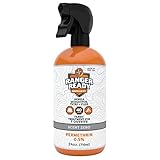
If you want an extra layer of defense, treat your clothing with permethrin clothing treatment; it repels and kills insects on contact.
FAQ
What exactly are sand flies?
Sand flies, often called gnats or no-see-ums, are tiny biting insects. They are most active during dawn and dusk and are known for their persistent, itchy bites.
Are sand flies dangerous?
While their bites are incredibly irritating and can cause allergic reactions in some people, sand flies themselves are not typically dangerous in the US. They don’t transmit diseases like mosquitoes can in other parts of the world.
How can I tell if I’m in a sand fly hotspot?
Look for areas with stagnant water, dense vegetation, and low-lying, damp ground. If you see a lot of tiny flying insects, especially around dawn and dusk, you’re probably in their territory.
What’s the best repellent for sand flies?
Repellents containing DEET (20-30%) or Picaridin (20%) are generally the most effective. Always follow the product instructions for application.
Can I use natural repellents?
Some natural options like citronella or eucalyptus oil might offer limited, short-term protection, but they are generally less effective and require more frequent reapplication than DEET or Picaridin.
Will a head net really help?
Absolutely. A fine-mesh head net is a lifesaver when sand flies are thick. It prevents them from getting in your face, eyes, and mouth.
When sand flies are particularly aggressive, a mosquito head net can be a game-changer for keeping them off your face and neck.

What if I forget repellent?
If you forget your repellent, try to cover up as much as possible with long clothing. Build a smoky campfire if allowed, and seek out breezy areas. It won’t be fun, but it’s better than nothing.
Do sand flies bite through thin clothing?
They can sometimes bite through very thin, loosely woven fabrics. Tightly woven synthetics or treated clothing offer better protection.
How long do sand fly bites last?
The itching can last for several days, and the bumps might linger for a week or more. Scratching can make it worse and lead to infection.
What this page does NOT cover (and where to go next)
- Detailed identification of specific sand fly species and their geographic ranges.
- Next step: Research local entomology resources.
- Specific campsite reservations or permit requirements for national parks or forests.
- Next step: Visit the official website for the park or forest you plan to visit.
- Advanced wilderness survival techniques for extreme environments.
- Next step: Seek out specialized wilderness survival courses.
- Medical treatments for severe allergic reactions to insect bites.
- Next step: Consult a healthcare professional for medical advice.
- DIY repellent recipes and their tested efficacy.
- Next step: Look for scientific studies on natural insect repellents.

Camping Bob has spent over 20 years camping across the US — from BLM dispersed sites in the Southwest to KOA campgrounds in the Pacific Northwest. He writes practical, no-nonsense guides to help fellow campers get outdoors with confidence.