
Budgeting for Your Next Camping Trip
Quick answer
- Plan for campsite fees, which can range from free dispersed camping to $50+ for developed sites.
- Factor in gear costs, especially if starting from scratch. Used gear is your friend.
- Food is a major variable; pack smart to save cash.
- Transportation costs (gas, wear-and-tear) add up.
- Don’t forget incidentals like firewood, permits, and activity fees.
- A good buffer for unexpected needs is always wise.
What to check first (do this before you drive out)
Before you even think about packing, get a handle on the basics. This saves headaches and money later.
- Land manager / legality: Who actually owns and manages the land you’re heading to? Is it National Forest, BLM, a State Park, or private land? Each has different rules, fees, and permit requirements. Check the official agency website – it’s the gospel.
- Access/road conditions: Can your rig actually get there? Don’t assume. Some forest roads are rough. You might need 4WD or high clearance. A blown tire miles from pavement is a budget buster and a major hassle. Look for recent trip reports or call the ranger station.
- Fire restrictions + weather + wind: This is non-negotiable. Fire bans can save you from hefty fines. Weather dictates your gear needs – a surprise storm can mean buying extra warm layers. High winds can make camp miserable or even dangerous. Always check the forecast right before you leave.
- Water plan + waste plan (Leave No Trace): Where will you get water? Are there potable sources, or do you need to pack it all or filter/treat? How will you pack out all your trash, including food scraps? Planning this prevents emergency runs for bottled water or leaving a mess that costs money to clean up.
- Safety (wildlife, distance to help, comms): Know the local wildlife. Are there bears? What precautions do you need? How far is the nearest ranger station or town? Do you have cell service or a satellite communicator? Being prepared for a medical emergency can save you serious cash and, more importantly, your health.
Always prioritize safety; a well-stocked camping first aid kit is a must-have for any outdoor adventure.

Step-by-step (field workflow)
Here’s how to break down the budgeting process.
1. Define your trip type: Are you car camping at a developed campground, backpacking deep into the wilderness, or doing dispersed camping on public lands?
- Good: You know your target. This helps narrow down costs.
- Mistake: Vague plans lead to vague budgets. Don’t just say “camping.”
- Avoid: Decide on the style of camping first.
2. Research campsite fees: Developed campgrounds often have nightly fees. Dispersed camping is usually free.
- Good: You have a clear number for lodging.
- Mistake: Assuming all camping is free.
- Avoid: Check Recreation.gov, state park websites, or BLM/USFS pages for fee info.
3. Assess gear needs: Do you have a tent, sleeping bag, stove, etc.?
- Good: You know what you own and what you need.
- Mistake: Buying all new gear for one trip.
- Avoid: Inventory your current gear. Consider borrowing or buying used for big items.
A comfortable sleeping bag is essential for a good night’s rest, so make sure to choose one appropriate for the temperatures you’ll encounter.

If you’re in the market for a new shelter, consider a reliable camping tent that can withstand various weather conditions.

4. Budget for food: This is highly variable. Simple meals vs. gourmet campfire cooking.
- Good: You have a daily food allowance.
- Mistake: Underestimating how much you’ll eat or forgetting snacks.
- Avoid: Plan your meals and make a grocery list. Pack non-perishables.
5. Calculate transportation costs: Gas, plus wear-and-tear on your vehicle.
- Good: You know your mileage and estimated fuel cost.
- Mistake: Forgetting that getting there costs money.
- Avoid: Use online gas calculators or just double your estimated fuel cost to be safe.
6. Add permits and passes: Some areas require entry permits, fire permits, or specific activity permits.
- Good: You’ve accounted for all required paperwork costs.
- Mistake: Getting hit with fines for missing permits.
- Avoid: Check the land manager’s website for all potential permit needs.
7. Include firewood: If you plan a campfire, you’ll likely need to buy local firewood.
- Good: You know you can have a fire and have budgeted for wood.
- Mistake: Thinking you can just grab wood anywhere (it’s illegal and bad for forests).
- Avoid: Budget for buying bundles at or near your campsite.
8. Factor in activities: Kayak rentals, guided hikes, park entrance fees beyond camping.
- Good: You know what fun stuff you want to do and how much it costs.
- Mistake: Not budgeting for desired activities, leading to disappointment or overspending.
- Avoid: List out desired activities and research their costs beforehand.
9. Add a buffer for incidentals: Things break, you forget something, or you just want an ice cream.
- Good: You have a little extra cash for the unexpected.
- Mistake: Budgeting down to the last dollar.
- Avoid: Add 10-15% to your total budget for surprises.
10. Review and adjust: Look at your total. Does it fit your current financial situation?
- Good: You have a realistic budget you can stick to.
- Mistake: Creating a budget you can’t afford.
- Avoid: If it’s too high, look for ways to cut costs (e.g., simpler food, shorter trip, free camping).
Common mistakes (and what happens if you ignore them)
| Mistake | What it causes | Fix |
|---|---|---|
| Not researching land manager | Fines, eviction from campsite, legal trouble. | Always check who manages the land and their specific rules. |
| Ignoring road conditions | Vehicle damage (tires, suspension), getting stuck, expensive towing. | Check road status, reviews, and know your vehicle’s limits. |
| Forgetting fire restrictions | Fines, starting wildfires (major legal and environmental consequences). | Check official sources right before you go. Have a backup plan for entertainment. |
| Underestimating food costs/quantity | Hungry campers, expensive emergency grocery runs, unhealthy food choices. | Plan meals, pack more than you think you need, and focus on shelf-stable items. |
| Assuming gear is in good shape | Gear failure (leaky tent, broken stove), needing to buy replacements. | Inspect all gear before you leave. Test your stove and headlamp. |
| Not budgeting for firewood | Can’t have a campfire, buying overpriced wood, transporting invasive pests. | Buy local firewood at or near your campsite. |
| Ignoring permit/pass requirements | Fines, denied access to areas. | Research all necessary permits and passes for your chosen location and activities. |
| Not having a water plan | Dehydration, buying expensive bottled water, carrying too much weight. | Identify water sources and bring appropriate filtration/purification methods. |
| Forgetting a “just in case” fund | Stress when unexpected costs arise, cutting the trip short. | Add a 10-15% buffer to your total budget. |
| Overpacking (and paying for it) | Increased fuel costs, difficult packing/unpacking, unnecessary items. | Pack smart and light. If you can’t justify it, leave it behind. |
| Not checking weather | Inadequate clothing/shelter, miserable experience, potential danger. | Check the forecast regularly, especially the days leading up to your trip. |
| Thinking “I’ll just buy it there” | Limited selection, inflated prices, missing out on essential items. | Buy necessary supplies before you leave town whenever possible. |
Decision rules (simple if/then)
- If you’re new to camping, then start with car camping at a developed campground because it’s more forgiving and less gear-intensive.
- If your vehicle is not 4WD and has low clearance, then avoid remote forest roads because you risk getting stuck and damaging your vehicle.
- If fire restrictions are in place, then plan to cook on a camp stove and enjoy s’mores made over a propane burner (if allowed) because campfires are off-limits.
- If you’re going to a popular National Park or Forest, then book your campsite far in advance because they fill up quickly.
- If you’re planning dispersed camping, then research the specific area’s regulations regarding campfires and waste disposal because rules can vary widely.
- If your trip involves significant driving, then factor in extra for gas and vehicle maintenance because the miles add up.
- If you need to buy major gear items, then look for used gear or sales because new gear can be a huge upfront cost.
- If your budget is tight, then focus on free dispersed camping and simple, home-cooked meals because these are the biggest cost savers.
- If you’re traveling solo or to a remote area, then invest in a reliable communication device like a satellite messenger because cell service is often non-existent.
- If you plan on cooking hot meals, then budget for a portable stove and fuel because relying solely on fires can be tricky and sometimes restricted.
- If you’re unsure about food quantities, then pack a little extra because being hungry in the backcountry is no fun and emergency food runs are expensive.
- If you are visiting a new area, then check for any required permits or passes because these can be a hidden cost.
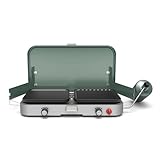
For easy meal preparation, a portable camping stove is a fantastic investment, especially when campfires are restricted.
FAQ
How much does camping typically cost per night?
Campsite fees can range from free for dispersed camping on public lands to $20-$50 per night for developed sites with amenities like restrooms and water. Some private campgrounds can be even more.
Is it cheaper to camp or stay in a hotel?
Generally, camping is significantly cheaper than hotels, especially if you already own basic gear. The main costs are campsite fees, food, and transportation, which are often less than a hotel room.
What are the biggest budget busters for camping?
Gear purchases (especially if starting from scratch), eating out instead of packing food, and vehicle breakdowns or expensive towing are usually the biggest budget drains.
How can I save money on camping food?
Plan your meals, buy non-perishable staples like pasta, rice, and canned goods, and focus on simple, one-pot meals. Avoid pre-packaged camping meals if you’re on a tight budget.
Is it worth buying all new camping gear?
Only if you plan to camp frequently. For occasional trips, consider borrowing gear from friends, renting it, or buying used equipment to save a ton of money.
How do I budget for dispersed camping?
Dispersed camping itself is usually free. Your main costs will be transportation, food, and any permits or specific gear needed for self-sufficiency (like water filters or bear canisters).
Are there hidden costs I should be aware of?
Yes. Things like firewood (often required to be bought locally), park entrance fees, activity fees (rentals, tours), and potential fines for rule violations can add up.
How much should I budget for gas?
This depends entirely on your vehicle’s MPG and the distance to your campsite. Use online calculators and add a bit extra for unexpected detours or driving around the area.
What this page does NOT cover (and where to go next)
- Specific campsite reservation platforms and their booking windows. (Next: Research Recreation.gov, state park systems, and individual campground booking sites.)
- Detailed gear reviews or recommendations. (Next: Look for gear guides specific to your camping style – backpacking, car camping, etc.)
- Advanced wilderness survival techniques or medical protocols. (Next: Seek out certified first-aid courses and wilderness survival training.)
- Specific legal regulations for firearms or fishing/hunting. (Next: Consult state wildlife agencies and local law enforcement for precise rules.)
- Environmental impact assessments of specific camping locations. (Next: Familiarize yourself with Leave No Trace principles and local conservation efforts.)