
Distance Between Conchas Lake and Albuquerque
Quick answer
- Conchas Lake is roughly 150 miles east of Albuquerque.
- Expect a drive of about 2.5 to 3 hours, depending on your speed and stops.
- The route is straightforward, mostly on major highways.
- Best to fill up on gas before you leave Albuquerque.
- Check road conditions, especially if traveling in winter.
- Pack snacks and water; services can be sparse along the way.
What to check first (do this before you drive out)
Before you point the car east, a few things to nail down will save you headaches.
- Land manager / legality: Conchas Lake is managed by the New Mexico State Parks. This means rules for camping, boating, and general use are set by the state. It’s good to know who’s in charge so you can find the official information you need.
- Access/road conditions: The main roads leading to Conchas Lake are generally paved and well-maintained. However, once you get closer to the lake or decide to explore some of the more remote spots around it, dirt or gravel roads are common. If you’re planning on any off-the-beaten-path exploring, check if your vehicle is up for it. A standard car will likely be fine for getting to the main park areas, but AWD or higher clearance can be a plus for some side trips.
- Fire restrictions + weather + wind: This is crucial for any outdoor trip in New Mexico. Always check current fire restrictions for the area. Dry conditions are common, and a spark can cause big problems. Weather can change fast, too. High winds are no joke out on the plains and especially on the water. A quick check of the forecast for the Conchas Lake area will tell you if you need to pack extra layers or plan around potential storms.
- Water plan + waste plan (Leave No Trace): Bring plenty of water. While there are facilities at the state park, having your own is always smart, especially if you plan on hiking or spending a lot of time away from the main areas. For waste, pack it in, pack it out. This applies to everything from food wrappers to trash. Keeping the area clean is part of the deal when you’re out enjoying nature.
When planning your water supply, consider bringing an insulated water bottle to keep your drinks cool throughout the day, especially during warmer months.
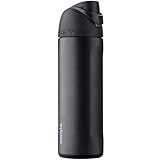
- Safety (wildlife, distance to help, comms): New Mexico has wildlife. Be aware of your surroundings, especially around dawn and dusk. Keep a safe distance from any animals you encounter. Conchas Lake is not a huge metropolis, so know that help might be a drive away. Cell service can be spotty in rural areas, so inform someone of your plans and expected return time. A satellite communicator is a good idea if you’re heading into truly remote spots.
Step-by-step (field workflow)
Here’s how to think about the drive and your arrival.
1. Plan your route: Use a reliable GPS or map app.
- Good: You have a clear path mapped out, including potential gas stops.
- Mistake: Relying solely on a phone with no downloaded maps or a plan for dead zones. Avoid this by downloading offline maps.
For easy navigation and hands-free use of your GPS, a reliable car phone mount can be incredibly helpful on your journey.

2. Check traffic leaving Albuquerque: Before you hit the road, see if there are any major delays within the city.
- Good: You’re rolling smoothly out of town, not stuck in rush hour.
- Mistake: Getting caught in unexpected city gridlock. Check an app before you go.
3. Fuel up: Fill your gas tank in Albuquerque.
- Good: You have a full tank, giving you plenty of range.
- Mistake: Thinking you can grab gas later. Stations can be far apart out east.
4. Drive east on I-40: This is your primary highway.
- Good: You’re making steady progress on a good road.
- Mistake: Getting distracted by scenery and drifting off-road. Stay in your lane.
5. Monitor your GPS: Keep an eye on your navigation as you approach your turn-off.
- Good: You’re dialed in and know exactly where to exit.
- Mistake: Missing your exit because you weren’t paying attention. This adds time and frustration.
6. Exit I-40: Take the appropriate exit for Santa Rosa and then follow signs towards Conchas Lake.
- Good: You smoothly transition from the interstate to your next road.
- Mistake: Taking a wrong turn after the exit. Double-check signage.
7. Drive towards Conchas Lake: Follow the state highway signs.
- Good: You’re on the final stretch, seeing signs for the lake.
- Mistake: Assuming the signs will be obvious. Look for directional markers.
8. Arrive at the park entrance: Navigate to the main entrance or your chosen access point.
- Good: You’ve made it to the park, ready to set up camp or launch your boat.
- Mistake: Wandering around aimlessly upon arrival. Know your destination within the park.
9. Check in (if applicable): If you have reservations or need to pay fees, head to the park office or designated check-in area.
- Good: You’re cleared for entry and know the park rules.
- Mistake: Just driving in and assuming everything is fine. Always follow official procedures.
10. Find your campsite/launch point: Navigate to your specific spot.
- Good: You’re at your pre-selected or designated area.
- Mistake: Claiming a spot that’s already taken or not permitted. Confirm your location.
Common mistakes (and what happens if you ignore them)
| Mistake | What it causes | Fix |
|---|---|---|
| Not checking fire restrictions | Fines, potential wildfire, damage to natural resources | Always check NM State Parks or local fire authority websites before you go. |
| Ignoring weather forecasts | Unpleasant or dangerous conditions (wind, rain, sudden temperature drops) | Check reliable weather apps for the specific Conchas Lake area; pack accordingly. |
| Driving on unpaved roads without AWD | Getting stuck, damaging your vehicle, needing a tow | Stick to paved roads or research road conditions if venturing off-pavement; know your vehicle. |
| Running out of gas | Stranded in a remote area, expensive tow, missed activities | Fill up in Albuquerque; know the distance to the next reliable gas station. |
| Not downloading offline maps | Getting lost, missing turns, inability to navigate without cell service | Download maps for the entire route and surrounding area on your navigation app. |
| Underestimating drive time | Arriving late, setting up camp in the dark, missing reservation windows | Add buffer time for unexpected delays and stops. |
| Leaving trash behind | Polluting the environment, harming wildlife, negative impact on other visitors | Pack out everything you pack in; use designated trash receptacles if available. |
| Not informing someone of your plans | Delayed emergency response if something goes wrong | Share your itinerary, expected return time, and location with a trusted contact. |
| Disregarding wildlife warnings | Unpleasant encounters, potential injury to yourself or the animal | Maintain a safe distance, never feed wildlife, and store food properly. |
| Ignoring “No Wake” zones or speed limits | Damaging shorelines, unsafe boating conditions, tickets | Be aware of and respect posted rules for boating and watercraft. |
Decision rules (simple if/then)
- If the forecast shows high winds, then postpone water sports because strong winds can make boating unsafe.
- If you see a “No Fires” sign, then do not attempt to build a campfire because it’s a legal restriction and a fire risk.
- If your vehicle is not equipped for rough terrain, then stick to main roads and established campgrounds because unpaved roads can damage your car.
- If your cell signal drops to zero, then rely on your downloaded offline maps and pre-planned route because your GPS will still work without service.
- If you plan on camping overnight, then check the New Mexico State Parks website for reservation availability and fees because popular spots fill up.
- If you are traveling in winter, then check road conditions for ice or snow because I-40 can be affected, and rural roads even more so.
- If you are unfamiliar with boating regulations, then review the New Mexico State Parks boating guide because safety and rules are important on the water.
- If you encounter wildlife, then keep a safe distance and do not feed them because it’s dangerous for you and unhealthy for the animal.
- If you are unsure about water quality, then bring your own potable water because relying on natural sources may not always be safe.
- If you are planning a multi-day trip, then pack extra provisions like food and water because services can be limited between towns.
FAQ
How long does it take to drive from Albuquerque to Conchas Lake?
It typically takes about 2.5 to 3 hours, depending on your exact starting point in Albuquerque, traffic, and how often you stop.
What’s the best route to take?
The most common route is to take I-40 East from Albuquerque towards Santa Rosa, then follow state highways towards Conchas Lake State Park.
Are there gas stations along the way?
Yes, you can find gas stations in Albuquerque and in towns like Santa Rosa. However, it’s wise to fill up in Albuquerque before you leave, as stations can be spaced out between major towns.
What kind of roads will I be driving on?
The main highways (I-40 and state roads leading to the park) are paved. Some roads within or around the park might be gravel or dirt, so be mindful of your vehicle’s capabilities.
Is Conchas Lake a good place for camping?
Yes, Conchas Lake State Park offers camping facilities. It’s a popular spot for fishing and boating, so camping is a great way to enjoy the lake.
What are the main activities at Conchas Lake?
The lake is primarily known for boating, water skiing, fishing, and camping. There are also opportunities for hiking and wildlife viewing in the surrounding areas.
Do I need a fishing license?
Yes, if you plan to fish in Conchas Lake, you will need a valid New Mexico fishing license. You can usually purchase these online or at local bait and tackle shops.
What should I pack for a trip to Conchas Lake?
Pack essentials like plenty of water, snacks, sunscreen, hats, insect repellent, appropriate clothing for changing weather, and camping gear if you plan to stay overnight. Don’t forget your fishing or boating gear!
Among your packing essentials, an insulated water bottle is a great addition to ensure you stay hydrated with cool water during your activities at the lake.
What this page does NOT cover (and where to go next)
- Specific campsite availability or reservation details (check NM State Parks).
- Detailed fishing regulations or current fish stocking reports (check NM Department of Game & Fish).
- Boat launch conditions or marina services (check Conchas Lake State Park information).
- Specific hiking trail difficulty or conditions (research local trail guides).
- Detailed wildlife identification guides (consult wildlife resources for New Mexico).

Camping Bob has spent over 20 years camping across the US — from BLM dispersed sites in the Southwest to KOA campgrounds in the Pacific Northwest. He writes practical, no-nonsense guides to help fellow campers get outdoors with confidence.