
Keeping Food Dry in Your Cooler: Practical Methods
Quick answer
- Pack smart: use waterproof containers for everything.
- Freeze what you can: ice packs and frozen items melt slower.
- Layer your cooler: keep drinks separate from food.
- Use dry ice sparingly: it’s cold, but messy.
- Drain melted ice regularly: don’t let your food swim.
- Pack it tight: less air space means less condensation.
- Consider a separate dry box for non-perishables.
What to check first (do this before you drive out)
Before you even think about packing the cooler, do a quick check. This isn’t about the weather forecast for your campsite, but what you need to know before you load up.
- Land manager / legality: Who owns the land where you’re camping? Is it National Forest, BLM, a State Park, or private? This matters for rules, permits, and what you can do. Different agencies have different regulations, especially around fires and food storage to protect wildlife. Always check the official website for the specific area.
- Access/road conditions: Is the road to your spot paved, gravel, or a rough dirt track? Will your 2WD sedan make it, or do you need AWD or high clearance? Mud, snow, or washouts can turn a fun trip into a tow truck call. Look at recent trip reports online or call the ranger station if you’re unsure.
- Fire restrictions + weather + wind: This is huge. Are campfires allowed? Are there wind advisories that make cooking dangerous? Check the official fire restriction page for the area. Also, look at the actual weather forecast for your destination, not just your hometown. High winds can make keeping a fire going tough and a cooler lid fly open.
- Water plan + waste plan (Leave No Trace): Where will you get potable water? If you’re bringing it all, how much do you need? And where will your greywater and trash go? Following Leave No Trace principles means packing out everything you pack in, including food scraps and packaging. Plan for this before you leave.
- Safety (wildlife, distance to help, comms): Are there bears or other critters known to be food thieves? How far is the nearest ranger station or town? What’s your cell service situation? Knowing these things helps you prepare for emergencies and keep your food safe from hungry visitors.
Step-by-step (field workflow)
Alright, let’s get that cooler packed right so your food stays edible and dry.
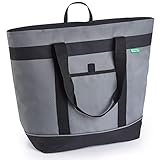
To ensure your food stays edible and dry, starting with a high-quality insulated cooler is key.
1. Pre-chill your cooler:
- What to do: Bring your cooler inside the night before and fill it with ice packs or sacrificial ice.
- What “good” looks like: The inside of the cooler feels cold to the touch.
- Common mistake: Throwing warm food into a warm cooler. It wastes ice and doesn’t chill your food effectively. Avoid this by starting cold.
For effective pre-chilling, consider using reusable ice packs which can be frozen and reused for many trips.

2. Organize and containerize food:
- What to do: Put all food items into sturdy, waterproof containers or resealable bags. Think Tupperware, Ziplocs, or even dry bags for some items.
- What “good” looks like: No loose items. Everything is sealed and ready to withstand moisture.
- Common mistake: Leaving things in their original packaging, like cardboard boxes or flimsy plastic wraps. These will get soggy and fall apart.
3. Freeze what you can:
- What to do: Freeze meats, pre-made meals, and even water bottles.
- What “good” looks like: Items are solid blocks of ice. They’ll act as extra ice packs and last longer.
- Common mistake: Freezing things that shouldn’t be frozen, like lettuce or delicate fruits, or not freezing items that would benefit from it.
4. Layer with ice:
- What to do: Start with a layer of ice or frozen water bottles at the bottom.
- What “good” looks like: A solid base of cold.
- Common mistake: Not using enough ice. You need a good ratio of ice to food. A common guideline is 2:1 ice to food by volume.
5. Pack food strategically:
- What to do: Place your most-used items on top. Pack raw meats at the bottom to prevent cross-contamination if they leak.
- What “good” looks like: You can grab what you need without digging through everything. Raw meat is contained and at the bottom.
- Common mistake: Burying essential items or putting raw meat where it can drip onto other food.
6. Add more ice:
- What to do: Fill in the gaps with more ice or frozen items.
- What “good” looks like: The cooler is packed relatively full, with minimal air pockets.
- Common mistake: Leaving too much empty space. Air is the enemy of cold.
Filling gaps with additional reusable ice packs or frozen items helps minimize air pockets and maintain cold temperatures.
7. Consider a separate drink cooler:
- What to do: If possible, use a second cooler for drinks, which are opened more frequently.
- What “good” looks like: Your food cooler stays closed and cold, while your drink cooler is accessible.
- Common mistake: Putting drinks in the main food cooler. Every time you open it for a drink, cold air escapes and warm air enters.
8. Seal and cover:
- What to do: Close the lid tightly. Cover the cooler with a blanket or sleeping bag if it’s sitting out in the sun.
- What “good” looks like: The lid is secure, and the cooler is insulated from direct heat.
- Common mistake: Leaving the cooler lid ajar or in direct sunlight.
9. Drain melted ice periodically:
- What to do: As ice melts, carefully drain the water without disturbing the food.
- What “good” looks like: Minimal water accumulation inside the cooler.
- Common mistake: Letting the food sit in a pool of meltwater. This is the fastest way to get soggy food.
10. Use dry ice (with caution):
- What to do: If using dry ice, place it on top of food, separated by cardboard. Ensure ventilation.
- What “good” looks like: Your food is extra cold, and you’re not accidentally freezing everything you don’t want frozen.
- Common mistake: Overusing dry ice or not ventilating properly, which can lead to freezing food or creating a suffocation hazard in enclosed spaces.
Common mistakes (and what happens if you ignore them)
| Mistake | What it causes | Fix |
|---|---|---|
| Not pre-chilling the cooler | Wasted ice, food takes longer to cool | Pack the cooler with ice overnight before your trip. |
| Leaving food in original packaging | Soggy boxes, torn wrappers, potential leaks | Transfer food to waterproof containers or sturdy bags. |
| Not enough ice | Food spoils quickly, melts too fast | Use a 2:1 ratio of ice to food by volume. |
| Packing raw meat on top | Cross-contamination if juices leak | Always pack raw meat at the bottom, sealed well. |
| Leaving empty space in the cooler | Air pockets lead to faster melting and warming | Fill gaps with more ice, frozen water bottles, or even towels. |
| Opening the cooler too often | Cold air escapes, warm air enters, melts ice faster | Designate a separate cooler for frequently accessed drinks. |
| Letting food sit in meltwater | Soggy food, spoilage, unappetizing meals | Drain meltwater regularly and keep food elevated if possible. |
| Not using waterproof containers for dry food | Crumbs and dust can mix with meltwater, unhygienic | Use sealed containers for chips, crackers, and other dry goods. |
| Ignoring condensation | Damp food, potential for mold on packaging | Pack items tightly, minimize air, and drain water promptly. |
| Using a cooler as a step stool | Damaged lid seal, compromised insulation | Treat your cooler with care; it’s for food, not seating. |
Decision rules (simple if/then)
- If the trip is longer than three days, then pack extra ice or use block ice because it melts slower than cubed ice.
- If you’re camping in hot weather, then use more ice and pre-chill everything even more thoroughly because heat accelerates melting.
- If you plan to open the cooler frequently for drinks, then use a separate cooler for beverages because it preserves the main food cooler’s temperature.
- If you have a lot of raw meat, then double-bag it in heavy-duty plastic because leaks are a major concern for food safety.
- If you’re car camping and have space, then consider a chest freezer or a second, larger cooler because more ice equals longer-lasting cold.
- If you’re concerned about bears, then ensure your cooler is bear-resistant or stored properly according to local regulations because bears are very attracted to food smells.
- If you are backpacking and can’t use a large cooler, then focus on dehydrated or freeze-dried meals because they don’t require refrigeration.
- If you want to minimize meltwater, then use frozen water bottles instead of loose ice because they are contained and can be drunk later.
- If you’re packing delicate items like salads or sandwiches, then place them in rigid, waterproof containers because they offer protection from crushing and moisture.
- If you notice condensation building up on the inside of your cooler lid, then check the seal and close it more firmly because it indicates air leakage.
- If you’re using dry ice, then handle it with gloves and ensure good ventilation because it’s extremely cold and can cause frostbite or displace oxygen.
FAQ
Q: How much ice do I really need?
A: A good rule of thumb is a 2:1 ratio of ice to food by volume. More ice means longer-lasting cold, especially in warm weather.
Q: Can I just use regular ice cubes?
A: Yes, but they melt faster. Block ice or frozen water bottles last longer and are better for extended trips.
Q: What’s the best way to pack raw meat?
A: Always pack raw meat at the bottom of the cooler, sealed in multiple waterproof containers or heavy-duty bags, to prevent any potential leaks from contaminating other food.
Q: My cooler is still cold, but there’s a lot of water. Is my food safe?
A: If your cooler is still cold (below 40°F / 4°C), your food is likely safe, but it’s best to drain the water to prevent sogginess and potential spoilage. Keep food out of the water.
Q: How can I make my cooler last longer?
A: Pre-chill it, pack it full, keep it in the shade, and minimize how often you open it. A good quality, insulated cooler also makes a big difference.
To make your cooler last longer, investing in a good quality, insulated cooler makes a significant difference in maintaining temperature.
Q: What about freezing my water bottles?
A: Freezing water bottles is a fantastic way to add extra cooling power. They act as giant ice packs and provide cold drinking water as they thaw.
Q: Is dry ice worth the hassle?
A: Dry ice is incredibly cold and can keep things frozen for a long time, but it requires careful handling and ventilation. It’s best for keeping things truly frozen, not just chilled.
Q: How do I stop my chips and crackers from getting soggy?
A: Pack them in their own airtight, waterproof containers. This protects them from any moisture that might get into the cooler.
What this page does NOT cover (and where to go next)
This guide focuses specifically on keeping your food dry inside your cooler. It doesn’t dive into:
- Detailed campsite food storage regulations for wildlife (like bear boxes).
- Specific recipes or meal planning for camping.
- Choosing the right type of cooler for your needs (hard-sided vs. soft-sided, electric coolers).
- Advanced ice-making techniques or commercial ice alternatives.
To learn more, consider researching bear-resistant food storage, camping meal prep ideas, and cooler reviews to find the best gear for your adventures.