
How Long Gel Packs Keep Items Cold
Quick answer
- Gel packs typically last 12-48 hours, depending on size, insulation, and ambient temperature.
- Larger packs and those in well-insulated coolers perform better.
- Pre-chilling your cooler and contents boosts longevity.
- Avoid frequent opening of the cooler to keep cold air in.
- Consider the type of gel pack; some are designed for longer-term freezing.
- Ambient heat is the biggest enemy of cold gel packs.
What to check first (do this before you drive out)
Before you pack up and hit the road, especially for a camping trip, you need to get your cold chain dialed in. This isn’t just about keeping your drinks frosty; it’s about food safety and making sure your adventure doesn’t go sideways because of a melted cooler.
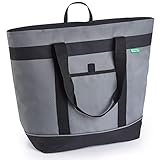
To ensure your food and drinks stay cold for longer, especially on camping trips, consider investing in a high-quality insulated cooler bag. This can make a significant difference in maintaining your cold chain.
- Land manager / legality: Who’s in charge of the land you’re heading to? Is it National Forest, BLM, a State Park, or private land? Each has different rules about camping, fires, and sometimes even what you can bring. Check the official website for the specific area. This avoids unwelcome surprises and ensures you’re being a good guest.
- Access/road conditions: How are you getting there? If you’re in a standard sedan, a rough forest road might be a no-go. Know your vehicle’s limits – 2WD, AWD, ground clearance. Mud, snow, or washouts can turn a fun drive into a serious problem. Always check recent conditions if possible.
- Fire restrictions + weather + wind: This is huge for camping. Are campfires allowed? What about charcoal grills? Fire restrictions change fast. Also, check the weather forecast for your destination, not just your starting point. High winds can affect how long your ice lasts and make cooking miserable.
- Water plan + waste plan (Leave No Trace): Where will you get potable water? Don’t assume you can just fill up. And what’s your plan for trash and human waste? Following Leave No Trace principles is crucial. Pack it in, pack it out. Know how to properly dispose of waste if facilities aren’t available.
- Safety (wildlife, distance to help, comms): What kind of wildlife are you likely to encounter? Know how to store food properly to avoid unwanted visitors. How far is the nearest ranger station or town? Cell service is often spotty in the backcountry. Have a plan for emergencies, like a satellite communicator if you’re going remote.
Step-by-step (field workflow)
Getting your cooler packed right is an art, not just a chore. Follow these steps, and you’ll be golden.
For optimal performance, especially when packing for extended trips, using a well-insulated cooler bag is key to keeping your items cold.
1. Pre-chill your cooler:
- What to do: Bring your cooler inside for a day or two before packing.
- What “good” looks like: The inside of the cooler feels noticeably cold to the touch.
- Common mistake: Packing warm items into a warm cooler. This makes your ice work overtime from the get-go. Avoid it by giving your cooler a chance to acclimate to a cooler temperature.
2. Pre-chill your contents:
- What to do: Refrigerate or freeze everything you plan to put in the cooler beforehand.
- What “good” looks like: Your drinks are cold, and your food is chilled to the proper temperature.
- Common mistake: Putting room-temperature items directly into the cooler. This is like dumping hot water into a cold bath; it immediately raises the internal temperature.
3. Layer your gel packs:
- What to do: Place a layer of frozen gel packs at the bottom of the cooler.
- What “good” looks like: The bottom of the cooler is covered with a solid layer of frozen packs.
- Common mistake: Scattering gel packs randomly. A consistent base layer provides the most efficient cooling foundation.
4. Pack food and drinks strategically:
- What to do: Place items you’ll use less frequently at the bottom, and those you’ll need often on top.
- What “good” looks like: You can easily grab what you need without digging through everything.
- Common mistake: Burying essential items. This leads to the cooler being open longer, letting cold air escape.
5. Fill empty spaces:
- What to do: Use extra gel packs, towels, or even crumpled newspaper to fill any gaps.
- What “good” looks like: The cooler is packed snugly, with minimal air pockets.
- Common mistake: Leaving large air pockets. Air is an insulator, but it’s a warm insulator in this case. Filling voids reduces air circulation and keeps things colder.
6. Add a top layer of gel packs:
- What to do: Cover the top layer of contents with more frozen gel packs.
- What “good” looks like: The entire contents are covered by a cold barrier.
- Common mistake: Not having enough top-layer protection. Heat rises, so a top layer is crucial for keeping the cold from escaping upwards.
7. Close the lid quickly and securely:
- What to do: Shut the lid firmly and ensure the latches are secure.
- What “good” looks like: The lid seals tightly with no gaps.
- Common mistake: Leaving the lid ajar or not closing it completely. Even a small gap lets a surprising amount of cold air out.
8. Minimize opening:
- What to do: Plan your needs and grab everything at once.
- What “good” looks like: The cooler is opened only when necessary and for the shortest possible time.
- Common mistake: Frequent, brief openings. Each time you open it, you lose precious cold air.
9. Keep the cooler in the shade:
- What to do: Place the cooler under a picnic table, tarp, or in the shade of trees.
- What “good” looks like: The cooler is never exposed to direct sunlight.
- Common mistake: Leaving the cooler sitting in the sun. Direct sun can heat up a cooler dramatically, even if the ambient air temperature is mild.
10. Consider a secondary cooler:
- What to do: Use one cooler for drinks (opened more often) and another for food (opened less often).
- What “good” looks like: Your food stays colder because the drink cooler isn’t being raided constantly.
- Common mistake: Mixing everything in one cooler. This compromises the longevity of the food’s cold chain.
Common mistakes (and what happens if you ignore them)
| Mistake | What it causes | Fix |
|---|---|---|
| Packing a warm cooler | Ice melts faster, contents don’t get cold enough. | Pre-chill your cooler for 24-48 hours before packing. |
| Putting warm items in the cooler | Wasted ice/gel pack energy, food and drinks stay lukewarm. | Chill or freeze all contents before placing them in the cooler. |
| Leaving empty space in the cooler | Air circulates, speeding up melting and warming. | Fill all voids with extra gel packs, towels, or even crumpled newspaper. |
| Frequent, long cooler openings | Rapid loss of cold air, ice melts quickly, food spoils. | Plan ahead, grab what you need in one go, and close the lid immediately. |
| Leaving the cooler in direct sunlight | The cooler’s exterior heats up, transferring heat to the inside. | Always place the cooler in the shade, under a tarp, or in a sheltered spot. |
| Not using enough ice/gel packs | Inadequate cooling capacity, contents don’t stay cold for long. | Use a good ratio of ice/gel packs to contents, typically 2:1 by volume. |
| Using crushed ice exclusively | Melts very fast, can leak and make a mess, doesn’t last as long as blocks. | Use block ice or frozen gel packs for the base, and crushed ice for filling smaller gaps if needed. |
| Not checking weather/fire restrictions | Unpleasant camping experience, potential fines or dangerous situations. | Always check local weather forecasts and official fire restriction websites before departing. |
| Not planning for water/waste | Dehydration, poor sanitation, environmental damage. | Bring sufficient potable water or a reliable purification method; pack out all trash and follow LNT for waste disposal. |
| Ignoring road conditions | Getting stuck, vehicle damage, missed campsite. | Research road conditions, know your vehicle’s capabilities, and have a backup plan if roads are impassable. |
| Not bringing adequate communication/safety | Inability to call for help in an emergency, increased risk from wildlife. | Carry a satellite communicator for remote areas, inform someone of your itinerary, and know local wildlife safety protocols. |
| Overpacking the cooler | Can prevent the lid from sealing properly, forcing it open. | Pack snugly but don’t force the lid shut; if it’s too full, remove some non-essential items. |
Decision rules (simple if/then)
- If you’re going on a multi-day trip, then use a mix of block ice and gel packs because block ice melts slower and provides a longer-lasting cold base.
- If the ambient temperature is expected to be above 80°F, then double your usual amount of gel packs because heat accelerates melting significantly.
- If you’re car camping with access to power, then consider a portable electric cooler because it eliminates the need for ice and lasts as long as you have power.
- If you plan to access the cooler frequently for drinks, then use a separate cooler for drinks and keep the food cooler closed as much as possible because this preserves the temperature of perishable food.
- If you’re on a shorter trip (1-2 days) and don’t have a high-performance cooler, then focus on pre-chilling everything and minimizing openings because this is your best bet for success.
- If you’re hiking in and weight is a concern, then use lighter, high-density gel packs instead of traditional ice because they offer good cooling without the water weight.
- If your gel packs are starting to thaw, then try to rearrange them to create a solid block in the center of the cooler to maximize remaining cold.
- If you are unsure about the insulation quality of your cooler, then pack more gel packs than you think you’ll need because better to have too much than not enough.
- If you’re in a remote area with no refrigeration, then plan your meals so that highly perishable items are consumed on the first day.
- If you notice condensation building up on the outside of your cooler, then it’s a sign that the insulation is being compromised and the ice inside is melting faster.
- If you’re using a soft-sided cooler, then understand it won’t perform as well as a hard-sided one, so adjust your expectations and gel pack quantity accordingly.
- If you have access to dry ice, then use it with extreme caution and proper ventilation, as it’s much colder than regular ice and can freeze items solid if not managed carefully.
If you’re using a soft-sided cooler, understand it won’t perform as well as a hard-sided one, so adjust your expectations and gel pack quantity accordingly. For better insulation and longer cooling, consider a robust insulated cooler bag.
FAQ
How long do standard gel packs typically last in a cooler?
Standard gel packs usually keep items cold for about 12 to 48 hours. This range depends heavily on the size of the pack, the quality of your cooler, and the outside temperature.
Does the size of the gel pack matter for how long it stays cold?
Yes, absolutely. Larger gel packs have more thermal mass, meaning they can absorb and store more heat before they thaw out. Think of it like a bigger battery for your cold.
What’s the biggest factor affecting how long gel packs stay cold?
The biggest enemy is ambient heat. The warmer it is outside the cooler, the faster your gel packs will thaw. Frequent opening of the cooler also lets warm air in.
Should I put frozen gel packs directly on food?
It’s generally best to avoid direct contact between frozen gel packs and delicate foods like produce or deli meats, as they can freeze and damage them. Use a towel or a layer of packaging as a buffer.
Can I refreeze gel packs that have thawed?
Yes, most standard gel packs are designed to be refrozen and reused multiple times. Just make sure they are completely frozen before packing them back into your cooler.
What’s the difference between gel packs and dry ice for cooling?
Dry ice is much colder (-109.3°F / -78.5°C) than regular frozen gel packs or water ice. It can keep things frozen for extended periods but requires careful handling to avoid frostbite and needs ventilation as it releases CO2 gas.
Is it better to use all gel packs or a mix of gel packs and ice?
A mix can be effective. Block ice melts slower and provides a good base, while gel packs can fill in gaps and maintain a consistent cold temperature. For longer trips, block ice is often preferred for the initial chill.
How can I make my gel packs last longer?
Pre-chill your cooler and contents, minimize cooler openings, keep the cooler in the shade, and ensure it’s packed tightly with no air gaps. These steps all work together to conserve the cold.
What this page does NOT cover (and where to go next)
- Specific campsite reservation systems and booking windows.
- Detailed regulations on campfires, fishing, or hunting for specific parks or regions.
- In-depth reviews of specific cooler brands and their performance metrics.
- Advanced food preservation techniques beyond basic cooling.
- Emergency medical procedures or wilderness first aid.

Camping Bob has spent over 20 years camping across the US — from BLM dispersed sites in the Southwest to KOA campgrounds in the Pacific Northwest. He writes practical, no-nonsense guides to help fellow campers get outdoors with confidence.