
How Long Does a Small Propane Tank Typically Last?
Quick answer
- A 1lb propane tank can power a camp stove for 1-2 hours on high heat.
- It’ll run a lantern for 3-6 hours, depending on brightness.
- Expect 4-8 hours of use from a small grill.
- Usage varies wildly based on equipment and settings.
- Always pack at least one extra tank.
- Consider a refillable tank for longer trips.
For short trips, a reliable 1lb propane cylinder is a must-have. Always pack at least one extra tank to ensure you don’t run out mid-meal.

What to check first (do this before you drive out)
Before you even think about firing up that stove, a few things need to be locked down.
- Land manager / legality: Who actually owns this patch of dirt? Is it National Forest, BLM land, a state park, or private? Each has its own rules. Some places might have specific regulations about open flames or what kind of stoves you can use. It’s easy to find this info online – just search for the park or forest name. Don’t get caught off guard by a ranger who’s just doing their job.
- Access/road conditions: How are you getting there? Is the road paved, gravel, or just a suggestion? If you’re in a 2WD car, a muddy track is a no-go. If you’ve got a rig with decent clearance, you might be fine. Check recent trip reports or call the ranger station if you’re unsure. Getting stuck is a surefire way to ruin a good time.
- Fire restrictions + weather + wind: This is huge. Fire bans are common, especially in dry seasons. Check the official website for the area you’re heading to. Also, look at the weather forecast. High winds can make cooking a nightmare and increase fire risk. A sudden storm can blow out your stove or make conditions miserable.
- Water plan + waste plan (Leave No Trace): Where are you getting water? Are you packing it all in, or is there a reliable source? And what about trash? Pack it in, pack it out. This applies to everything, including empty propane tanks. Leave your campsite cleaner than you found it. That’s just good camping karma.
- Safety (wildlife, distance to help, comms): Know what critters are in the area. Store food properly. How far is the nearest ranger station or town? Cell service is often spotty, so have a plan for emergencies. A satellite messenger is a smart buy if you’re going remote.
Step-by-step (field workflow)
Let’s get that stove fired up.
1. Select your campsite: Find a level spot, away from dry grass and overhanging branches.
- Good looks like: A clear patch of ground, ideally with a designated fire ring or established picnic table.
- Common mistake: Setting up too close to flammable materials. Avoid this by always checking your surroundings.
2. Unpack your stove: Get your stove out of its bag and onto your chosen surface.
- Good looks like: The stove is stable and ready for a tank.
- Common mistake: Leaving it in the bag or on uneven ground. This can lead to spills or instability.
3. Inspect the stove and tank connection: Make sure there are no obvious cracks or damage.
- Good looks like: Clean threads on both the stove and the tank.
- Common mistake: Forcing a connection that doesn’t feel right. If it’s stiff, back off and try again.
4. Attach the propane tank: Screw the 1lb tank onto the stove’s regulator.
- Good looks like: The tank is snug but not overly tight. You shouldn’t feel any gas escaping.
- Common mistake: Overtightening. This can damage the threads or the seal.
When attaching your 1lb propane cylinder, ensure it’s snug but not overly tight to prevent leaks and damage.
5. Turn on the gas valve: Slowly open the valve on your stove.
- Good looks like: A faint hiss, indicating gas flow. You shouldn’t smell a strong odor.
- Common mistake: Opening it too fast. This can cause a sudden flare-up when you ignite.
6. Ignite the burner: Use a lighter or the stove’s igniter to light the gas.
- Good looks like: A steady, controlled flame.
- Common mistake: Holding the igniter too close or too far. Experiment to find the sweet spot.
7. Adjust the flame: Turn the control knob to your desired heat level.
- Good looks like: A consistent flame, from a gentle simmer to a rolling boil.
- Common mistake: Running it on high constantly. This burns fuel faster than you need to.
8. Cook your meal: Prepare your food using the controlled flame.
- Good looks like: Efficient cooking without burning or undercooking.
- Common mistake: Trying to cook too much at once, leading to uneven heating.
9. Turn off the gas valve: When finished, close the valve on the stove.
- Good looks like: The flame completely extinguishes.
- Common mistake: Leaving the valve slightly open. This wastes fuel and is a safety hazard.
10. Let the stove cool: Allow the stove and tank to cool down before packing.
- Good looks like: Everything is cool to the touch.
- Common mistake: Packing hot equipment. This can damage bags or create a fire risk if stored improperly.
11. Remove the tank: Unscrew the empty tank from the stove.
- Good looks like: Easy removal without gas escaping.
- Common mistake: Leaving a nearly empty tank attached. It’s just dead weight.
12. Store properly: Pack your stove and empty tank for transport.
- Good looks like: Everything is secured and won’t rattle around.
- Common mistake: Leaving the tank loose in your pack. It can bang against other gear.
Common mistakes (and what happens if you ignore them)
| Mistake | What it causes | Fix |
|---|---|---|
| Not checking fire restrictions | Fines, forced evacuation, or starting an illegal fire that gets out of control. | Always check the official land manager website before you leave home. |
| Assuming road conditions | Getting your vehicle stuck, requiring a tow or leaving your rig behind. | Research road conditions online or call the ranger station. Know your vehicle’s limits. |
| Underestimating fuel needs | Running out of propane mid-meal or mid-trip, forcing you to eat cold food or cut the trip short. | Pack an extra tank, especially for longer trips or if you plan to use high-heat appliances. |
| Leaving the gas valve slightly open | Wasted propane, potential for gas to accumulate in an enclosed space (like a car or tent), creating a hazard. | Always ensure the stove’s gas valve is fully closed after use. |
| Overtightening the propane tank | Damaging the tank’s threads or the stove’s regulator seal, leading to leaks. | Screw the tank on until it’s snug. You don’t need superhuman strength. |
| Using a stove in an unventilated area | Carbon monoxide buildup, which is odorless, colorless, and deadly. | Always use stoves outdoors in well-ventilated areas. Never inside a tent or enclosed vehicle. |
| Not storing food properly | Attracting wildlife (bears, rodents, etc.) to your campsite, leading to potential damage or dangerous encounters. | Use bear-resistant containers or hang food properly away from your sleeping area. |
| Ignoring weather forecasts | Getting caught in a sudden storm, high winds, or extreme temperatures, making your trip miserable or dangerous. | Check the forecast right before you leave and be prepared to adjust plans. |
| Not packing out all trash | Leaving litter in nature, harming wildlife and degrading the experience for others. | Pack out everything you pack in, including food scraps and empty containers. Leave No Trace. |
| Using damaged equipment | Leaks, malfunctions, or outright failure of your stove or lantern at a critical moment. | Inspect your gear before each trip. Replace worn-out hoses, seals, or burner components. |
| Not having a backup ignition source | Being unable to light your stove or lantern if your primary method fails (e.g., wet matches, dead igniter). | Carry waterproof matches and a lighter as backups. |
| Not knowing how to properly dispose of tanks | Improper disposal can lead to environmental contamination or safety hazards. | Empty 1lb tanks can sometimes be recycled with scrap metal. Check local recycling guidelines or dispose of them responsibly. |
Decision rules (simple if/then)
- If you’re boiling water for coffee and meals, then expect a 1lb tank to last about 1-1.5 hours of continuous use because boiling is a high-energy, high-fuel task.
- If you’re using a small propane lantern on a low setting, then expect it to last 4-6 hours because lanterns are designed for efficiency.
- If the wind is gusting over 15 mph, then you’ll burn through fuel faster to keep your stove lit because the wind blows heat away.
- If you’re using a multi-burner stove on two burners simultaneously, then your fuel will deplete roughly twice as fast as a single burner on high.
- If you’re just heating up pre-cooked meals or keeping things warm, then a tank can last significantly longer, maybe 3-4 hours.
- If you plan on cooking full meals for more than two days, then you absolutely need more than one 1lb tank.
- If you have a newer, more efficient camp stove, then it might sip fuel more conservatively than an older model.
- If you’re at higher altitudes, then stoves can sometimes burn slightly hotter, potentially using fuel a bit faster.
- If you’re trying to boil water in very cold weather, it will take longer and use more fuel.
- If you plan on using a propane-powered grill for a picnic, then budget for at least 4-8 hours of cook time, depending on how often you open the lid.
- If you’re unsure about your fuel needs for a specific trip, then always pack an extra tank – it’s cheap insurance.
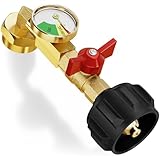
If you’re planning on using larger refillable tanks with your smaller stove, consider a propane tank adapter for versatility.
FAQ
How long does a 1lb propane tank last on a camp stove?
A standard 1lb propane tank typically lasts 1 to 2 hours on high heat for a typical camp stove. This can be extended significantly if you use lower heat settings for simmering or keeping food warm.
Can I refill a 1lb propane tank?
No, 1lb propane tanks are designed for single use and cannot be safely refilled. You should dispose of them properly once empty.
How long does a propane lantern last?
A typical propane lantern can last anywhere from 3 to 6 hours on a single 1lb tank, depending on the brightness setting. Higher brightness uses more fuel.
What uses more propane: a stove or a lantern?
Generally, a camp stove on high heat uses propane faster than a lantern on its typical setting. Stoves are designed to generate intense heat for cooking, while lanterns focus on consistent, lower-level light.
How many meals can I cook with one 1lb propane tank?
This is highly variable, but for simple meals like boiling water for pasta or heating up pre-made food, you might get 3-5 meals. Complex cooking will use fuel much faster.
What’s the difference between 1lb tanks and larger refillable tanks?
1lb tanks are disposable and convenient for short trips. Larger refillable tanks (like 5lb, 10lb, or 20lb) are more economical for longer trips or frequent use and can be refilled at many propane exchange locations.
Does cold weather affect how long a propane tank lasts?
Yes, cold temperatures can reduce the pressure within the tank, potentially making your stove or lantern less efficient and seeming to make the fuel last less time.
How can I make my propane last longer?
Use lower heat settings when possible, avoid cooking in windy conditions by using a windscreen, and only run your stove or lantern when actively needed.
What this page does NOT cover (and where to go next)
- Specific BTU output comparisons between different stove models.
- Detailed instructions on how to refill larger propane tanks (this requires specialized knowledge and equipment).
- Troubleshooting complex stove malfunctions beyond basic connection checks.
- The environmental impact of disposable propane tanks versus refillable options.
- Advanced backcountry cooking techniques that might require different fuel types.

Camping Bob has spent over 20 years camping across the US — from BLM dispersed sites in the Southwest to KOA campgrounds in the Pacific Northwest. He writes practical, no-nonsense guides to help fellow campers get outdoors with confidence.