
Your Guide to Camping at Eisenhower State Park
Quick answer
- Book your campsite in advance, especially for weekends and holidays.
- Check the Texas Parks and Wildlife Department (TPWD) website for current conditions and reservations.
- Understand the park’s specific rules regarding pets, campfires, and quiet hours.
- Pack for Texas weather – it can change fast. Layers are your friend.
- Know your campsite’s amenities (water, electricity, restrooms, showers).
- Leave No Trace principles are key to keeping this place beautiful.
What to check first (do this before you drive out)
Before you even think about packing the cooler, hit up the official sources. This saves you a long drive for nothing.
- Land manager / legality: Eisenhower State Park is managed by the Texas Parks and Wildlife Department (TPWD). This means their rules are the ones that count. Stick to designated camping areas. Don’t go off-roading where you shouldn’t.
- Access/road conditions: The main roads into the park and to the campgrounds are paved. For most standard vehicles, this is no big deal. If you’re heading to a more primitive site or exploring outside the park, check recent reports. Heavy rain can sometimes affect unpaved areas, but generally, you’re good with a regular car.
- Fire restrictions + weather + wind: Texas weather is no joke. Always check the TPWD site for current fire ban status. If there’s a burn ban, no campfires, period. Also, check the forecast. High winds can make campfires dangerous and turn a pleasant camping trip into a dusty ordeal.
- Water plan + waste plan (Leave No Trace): Most campsites have potable water spigots, but confirm this when booking. Bring extra water, especially in summer. For waste, pack out everything you pack in. Use the provided trash cans and dumpsters. If you’re in a primitive site, know how to properly dispose of human waste away from water sources.
For your water plan, consider bringing a reliable collapsible water container to ensure you have enough potable water, especially in warmer months or if your site doesn’t have direct spigot access.

- Safety (wildlife, distance to help, comms): Wildlife here is mostly benign – deer, birds, the occasional snake. Keep your food secured to avoid attracting critters. The park has rangers, but for serious emergencies, you’re a drive from the nearest hospital. Cell service can be spotty, so let someone know your plans and expected return time. A satellite messenger is a good backup if you’re heading into more remote areas.
While rangers are available, it’s always wise to have a well-stocked camping first aid kit on hand for any minor scrapes or emergencies, as cell service can be spotty.

Step-by-step (field workflow)
Here’s how to set up camp like you know what you’re doing.
1. Arrive and check in: Head to the park entrance station or headquarters.
- Good looks like: Having your reservation confirmation ready. Getting your park pass and any maps.
- Common mistake: Showing up without a reservation on a busy weekend. You might be turned away. Always book ahead.
2. Locate your campsite: Follow the signs to your designated site.
- Good looks like: Driving directly to your assigned spot without confusion.
- Common mistake: Wandering into someone else’s site because you weren’t paying attention to the numbers.
3. Assess the site: Before unloading, do a quick sweep. Look for level spots for your tent, clear areas for your cooking setup, and check for any hazards.
- Good looks like: Identifying the best tent pad and the most convenient spot for your fire pit/grill.
- Common mistake: Setting up your tent in a low spot that will fill with water if it rains.
4. Set up your tent: Get your shelter squared away first.
- Good looks like: A taut tent with stakes firmly in the ground.
- Common mistake: Rushing the tent setup, leaving it loose and prone to wind damage or leaks.
5. Organize your gear: Unpack essentials like chairs, tables, and cooking equipment.
- Good looks like: Everything is accessible and organized, not just piled up.
- Common mistake: Leaving critical items like your first-aid kit buried at the bottom of a bin.
6. Prepare your cooking area: Set up your stove or get your fire pit ready (if allowed).
- Good looks like: A clean, safe space for food prep and cooking.
- Common mistake: Cooking too close to your tent or flammable materials.
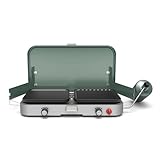
If fire restrictions are in place or you prefer a quick and easy meal, a portable camping stove is an excellent alternative for preparing your food safely and efficiently.
7. Secure food and scented items: Put away anything that smells, especially food, toiletries, and trash, in a bear-proof container or your vehicle.
- Good looks like: Everything is locked up tight, out of reach of curious critters.
- Common mistake: Leaving food out overnight, inviting raccoons or other animals to your campsite.
8. Set up camp chairs and relaxation zone: Get comfortable. This is why you’re here.
- Good looks like: A cozy spot to sit back and enjoy the surroundings.
- Common mistake: Forgetting to bring chairs and having to sit on the ground all weekend.
9. Gather firewood (if permitted): If you plan a fire, collect dead and downed wood from approved areas or purchase it.
- Good looks like: Having a manageable amount of dry wood for your needs.
- Common mistake: Burning green wood, which smokes a lot and doesn’t burn well.
10. Start your campfire (if permitted and safe): Follow all safety guidelines.
- Good looks like: A controlled, contained fire that’s easy to manage.
- Common mistake: Building a fire too big, making it hard to control and a potential hazard.
11. Final site check: Do one last walk-around to ensure everything is secure and tidy.
- Good looks like: A safe, organized campsite that’s ready for you to enjoy.
- Common mistake: Leaving tools or sharp objects lying around where someone could trip.
Common mistakes (and what happens if you ignore them)
| Mistake | What it causes | Fix |
|---|---|---|
| Not booking a campsite in advance | Arriving to find no available spots, especially on busy weekends. | Book online or by phone well in advance. |
| Ignoring weather forecasts | Getting caught in unexpected storms, high winds, or extreme heat/cold. | Check the forecast daily and pack appropriate gear. Be prepared to adjust plans. |
| Not checking fire restrictions | Getting a ticket or causing a wildfire by having an illegal campfire. | Always verify current fire ban status with TPWD before lighting any fire. |
| Leaving food unsecured | Attracting wildlife (raccoons, rodents) that can become a nuisance or dangerous. | Store all food, scented items, and trash in a vehicle or bear-resistant container. |
| Setting up a tent in a low-lying area | Waking up in a puddle after rain. | Scout your campsite for a level, well-drained spot before pitching your tent. |
| Not bringing enough water | Dehydration, especially during hot Texas summers. | Bring more water than you think you’ll need. Utilize water spigots if available. |
| Not packing out all trash | Littered campsites and negative impacts on wildlife and the environment. | Pack it in, pack it out. Use provided trash cans or take it home with you. |
| Misjudging road conditions | Getting stuck or damaging your vehicle on unmaintained roads. | Know your vehicle’s capabilities and research road conditions if venturing off main park roads. |
| Failing to inform someone of your plans | Delayed help if an emergency occurs. | Leave a detailed itinerary with a trusted friend or family member. |
| Disregarding quiet hours | Disturbing other campers and potentially getting a warning from rangers. | Be mindful of park rules, especially noise levels during designated quiet hours. |
Decision rules (simple if/then)
- If the forecast calls for high winds, then reconsider your campfire plans because wind can make fires unpredictable and dangerous.
- If you see a “Fire Ban in Effect” sign, then no campfires or open flames are allowed because it’s a legal restriction to prevent wildfires.
- If your vehicle is not high-clearance or 4WD, then stick to paved park roads and designated parking areas because unpaved roads can be rough or impassable.
- If you plan to camp during a holiday weekend, then book your site months in advance because popular parks fill up fast.
- If you are unsure about wildlife encounters, then keep a safe distance and never feed animals because this can lead to habituation and dangerous situations.
- If you are bringing pets, then check park-specific pet policies before arriving because some areas or types of camping might have restrictions.
- If cell service is weak, then download offline maps and let someone know your itinerary because you don’t want to be caught without communication in an emergency.
- If you plan to swim in the lake, then check water quality advisories and know your swimming abilities because conditions can change.
- If you are camping in a primitive site, then bring your own water and be prepared for waste disposal because these sites lack amenities.
- If you notice litter, then pick it up and pack it out because it’s everyone’s responsibility to keep the park clean.
- If you are unsure about a park rule, then ask a ranger because they are there to help and ensure everyone has a safe experience.
FAQ
How do I book a campsite at Eisenhower State Park?
You can book campsites through the Texas Parks and Wildlife Department (TPWD) website or by calling their reservation line. It’s best to book well in advance, especially for popular times.
Are there RV hookups available?
Yes, many campsites at Eisenhower State Park offer water and electric hookups, suitable for RVs. Check the specific campsite details when booking to confirm availability and types of hookups.
Can I swim in Lake Texoma?
Absolutely. Lake Texoma is a major draw for the park. There are designated swimming areas, but always be aware of water conditions and practice water safety.
What kind of wildlife can I expect to see?
You’ll likely see white-tailed deer, various bird species, and possibly smaller mammals like raccoons or squirrels. Keep a safe distance and secure your food.
Is fishing allowed at Eisenhower State Park?
Yes, fishing is permitted in Lake Texoma from the shore or from a boat. You’ll need a valid Texas fishing license.
What are the quiet hours at the park?
Quiet hours are typically enforced from 10 PM to 6 AM. This is to ensure a peaceful experience for all campers.
Can I bring my dog to the park?
Dogs are generally allowed in most areas of the park and campgrounds, but they must be on a leash at all times. Always check the most current TPWD regulations for any specific restrictions.
What amenities are usually available at the campsites?
Amenities vary by site, but commonly include a picnic table, fire ring or grill, and access to nearby restrooms and showers. Some sites have water and electric hookups.
What this page does NOT cover (and where to go next)
- Specific, real-time campsite availability and pricing.
- Detailed fishing or boating regulations for Lake Texoma.
- In-depth trail guides for every hiking path.
- Information on local events or guided park programs.
Next, you’ll want to check the official Texas Parks and Wildlife Department website for Eisenhower State Park. Look for their reservation system, current alerts, and park maps. You might also want to research local fishing and boating resources if those are your main activities.

Camping Bob has spent over 20 years camping across the US — from BLM dispersed sites in the Southwest to KOA campgrounds in the Pacific Northwest. He writes practical, no-nonsense guides to help fellow campers get outdoors with confidence.