
Folding Your Beach Tent for Easy Storage
Quick answer
- Unfold your tent completely on a flat surface.
- Locate the flexible poles and identify their connection points.
- Gently bend the poles, starting with the longest, into a smaller, manageable shape.
- Work the fabric around the bent poles, creating a compact bundle.
- Secure the bundle with the tent’s straps or a separate tie.
- Slide the bundle into its carrying bag.
What to check first (do this before you drive out)
Before you even think about packing up your beach tent, a few things need your attention. This isn’t just about folding; it’s about making your next beach trip easier.
Before you even think about packing up your beach tent, a few things need your attention. This isn’t just about folding; it’s about making your next beach trip easier, especially with a convenient pop up beach tent.
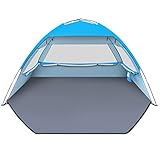
- Tent Condition: Give your tent a quick once-over. Are there any rips or tears? Are the poles intact? A quick check now prevents a broken tent later.
- Dryness: This is non-negotiable. Sand and moisture are the enemies of fabric and zippers. If your tent is even a little damp, you’ll need to dry it out before folding.
- Sand Removal: Brush off as much sand as you can. Trying to fold a sandy tent is like trying to fold sandpaper. It just makes a mess and can damage the material.
Step-by-step (field workflow)
Folding a beach tent is usually pretty straightforward, but a little technique goes a long way. Here’s how to do it right.
Folding a beach tent is usually pretty straightforward, but a little technique goes a long way. Here’s how to do it right, whether you have a traditional model or a pop up beach tent.
1. Find a Flat Spot: Unfold your tent completely on the beach or your backyard. Lay it out flat, so you can see the whole thing.
- Good: A clear, flat area where the tent isn’t bunched up.
- Mistake: Trying to fold it while it’s still partially collapsed or on uneven ground. This leads to awkward folding and potential damage.
2. Identify the Poles: Locate the flexible poles that give your tent its shape. They’re usually connected by elastic cords.
- Good: Clearly seeing where the poles are and how they are arranged.
- Mistake: Not understanding how the poles fit together. This can lead to forcing them in the wrong direction.
3. Start Bending (Longest First): Gently bend the longest pole first. You’re aiming to create a circular or semi-circular shape. Don’t force it; let the flexibility of the pole do the work.
- Good: The pole bends smoothly into a controlled curve.
- Mistake: Trying to snap or force the pole into a bend. This can break the pole or damage the elastic cord.
4. Work the Fabric: As you bend the first pole, start gathering the tent fabric around it. Smooth it out as you go.
- Good: The fabric is neatly organized around the pole structure.
- Mistake: Letting the fabric bunch up randomly. This makes the final bundle larger than it needs to be.
5. Add Subsequent Poles: If your tent has multiple poles, bend the next longest one, incorporating it into the bundle. Work with the tent’s natural structure.
- Good: The poles nestle together, creating a compact shape.
- Mistake: Crossing poles awkwardly or trying to fold them independently. This fights the tent’s design.
6. Form the Bundle: Continue bending and gathering until you have a compact, roughly circular or oblong bundle of poles and fabric.
- Good: A tight, manageable bundle that fits easily in your hands.
- Mistake: A loose, sprawling mess that’s hard to handle.
7. Secure the Bundle: Use the tent’s built-in straps or any included ties to secure the bundle. This keeps it from unfolding as you pack.
- Good: The bundle is snug and won’t come apart.
- Mistake: Not securing it, leading to a frustrating struggle to get it into the bag.
8. Slide into the Bag: Carefully slide the secured bundle into its carrying bag. It might take a little wiggling.
- Good: The tent slides in smoothly, with room to spare.
- Mistake: Forcing it, which can tear the bag or damage the tent. If it’s too tight, you might need to adjust the folding.
Common mistakes (and what happens if you ignore them)
| Mistake | What it causes | Fix |
|---|---|---|
| Folding a wet tent | Mold, mildew, and fabric degradation. Zippers can seize up. | Always dry your tent completely before packing. Lay it out in the sun or hang it to air out. |
| Not removing sand | Abrasions on the fabric, damaged zippers, and a gritty mess in your car. | Brush off sand thoroughly before folding. Shake it out vigorously. |
| Forcing bent poles | Broken poles, snapped elastic cords, and a useless tent. | Gently bend poles. Let the material and pole flexibility do the work. Don’t use excessive force. |
| Not securing the folded bundle | The tent unfolds as you try to pack it, making it difficult to manage. | Use the tent’s straps or a separate tie to keep the bundle tight. |
| Trying to fold on uneven ground | Awkward folding, potential for damage, and a less compact final package. | Always find a flat, clear surface to work on. |
| Not smoothing fabric as you fold | A larger, bulkier final package that’s harder to store and carry. | Work the fabric neatly around the poles as you bend them. |
| Ignoring the tent’s structure | Fighting the design, leading to frustration and potential damage. | Observe how the tent is designed to fold and work with its natural curves and connections. |
| Jamming the tent into its bag | Ripped bag, damaged tent fabric, or bent poles from forceful packing. | Gently guide the tent into the bag. If it’s a struggle, re-fold it to make it more compact. |
| Not checking for damage before folding | Discovering a rip or broken pole <em>after</em> you’ve packed it all away. | Do a quick visual inspection of the tent and poles before you start the folding process. |
| Packing away dirty gear | Attracting pests to your storage area, and generally unpleasant unpacking. | Clean your tent as best as possible, even if it’s just a brush-down. |
Decision rules (simple if/then)
- If the tent is wet, then let it dry completely before folding, because moisture causes mold and ruins fabric.
- If you see a lot of sand, then brush it off first, because sand acts like sandpaper on your tent.
- If a pole feels stiff when bending, then check its connection and bend gently, because forcing it can break it.
- If the bundle is loose, then re-fold and secure it tighter, because a loose bundle is hard to pack and store.
- If the carrying bag feels too small, then re-fold the tent more compactly, because a proper fold fits the bag.
- If there’s a tear, then note it and plan a repair, because small tears can become big problems.
- If you’re in a hurry, then take an extra minute to fold properly, because rushing leads to mistakes and damaged gear.
- If you can’t remember how it folds, then look for the seams and pole channels, because they often indicate the folding path.
- If the elastic in the poles is loose, then consider replacing it, because good tension makes folding easier.
- If you’re packing for long-term storage, then ensure it’s bone dry, because dampness is a tent killer over time.
FAQ
Q: How do I know if my tent is dry enough to pack?
A: It should feel completely dry to the touch, with no damp spots anywhere, especially in the seams or corners. Even a little humidity can cause problems over time.
Q: What if my tent bag is too small after folding?
A: You likely didn’t fold it compactly enough. Try re-bending the poles and smoothing the fabric more tightly. It should fit without a struggle.
You likely didn’t fold it compactly enough. Try re-bending the poles and smoothing the fabric more tightly. It should fit without a struggle, which is often easier with a well-designed pop up beach tent.
Q: Can I just stuff the tent in the bag?
A: While tempting, it’s a bad idea. Stuffing can damage the poles and fabric, and it makes the tent harder to fold neatly next time.
Q: My tent poles are starting to fray at the ends. What should I do?
A: This is a sign the elastic cord inside might be worn. You can often replace the cord yourself, or look for repair kits.
Q: Is it okay to fold my tent with sand still on it?
A: No, absolutely not. Sand is abrasive and will damage the tent fabric and zippers over time, shortening its lifespan.
Q: How often should I clean my beach tent?
A: Ideally, rinse it with fresh water after each use, especially if you’re not drying it immediately. A deeper clean can be done a few times a season.
Q: What’s the best way to store a beach tent long-term?
A: Store it in a cool, dry place, uncompressed if possible, or at least loosely folded. Avoid attics or garages with extreme temperature fluctuations.
Store it in a cool, dry place, uncompressed if possible, or at least loosely folded. Avoid attics or garages with extreme temperature fluctuations to keep your pop up beach tent in top condition.
What this page does NOT cover (and where to go next)
- Detailed repairs for torn fabric or damaged poles.
- Specific cleaning agents for stubborn stains.
- How to set up a beach tent in windy conditions.
- Choosing the right type of beach tent for your needs.
- Advanced waterproofing techniques.

Camping Bob has spent over 20 years camping across the US — from BLM dispersed sites in the Southwest to KOA campgrounds in the Pacific Northwest. He writes practical, no-nonsense guides to help fellow campers get outdoors with confidence.