
Your Guide to Camping in Yellowstone National Park
Quick answer
- Book campsites way in advance. Seriously.
- Know the difference between frontcountry and backcountry.
- Respect the wildlife. Keep your distance.
- Pack for all kinds of weather, even in summer.
- Plan your food storage. Bears are real.
- Leave No Trace. Pack it in, pack it out.
What to check first (do this before you drive out)
Here’s the rundown before you even think about packing the car.
- Land manager / legality: Yellowstone is a National Park. That means the National Park Service (NPS) runs the show. All camping, frontcountry or backcountry, needs to be permitted or reserved through them. They set the rules.
- Access/road conditions: Roads inside Yellowstone can be narrow and winding. Some areas might have seasonal closures, especially early or late in the year. While most main roads are paved and accessible to 2WD vehicles, backcountry roads can be rough. Check the NPS website for current road status. Don’t be that guy stuck in the mud.
- Fire restrictions + weather + wind: Fire bans are common, especially during dry spells. Always check the current fire restrictions before you go. Weather in Yellowstone can change on a dime. Expect anything from sunshine to snow, sometimes in the same day. High winds can also be a factor, especially in open areas.
- Water plan + waste plan (Leave No Trace): Potable water is available at developed campgrounds. For backcountry, you’ll need to filter or treat all water. Pack out all trash, including food scraps and toilet paper. Know where the bear-resistant trash receptacles are in frontcountry sites.
For backcountry camping, you’ll need to filter or treat all water, so be sure to pack a reliable backpacking water filter.

- Safety (wildlife, distance to help, comms): Wildlife is abundant and wild. Keep a safe distance from all animals, especially bison and bears. Yellowstone is huge. Cell service is spotty at best, nonexistent in most backcountry areas. Let someone know your itinerary and when you expect to be back.
Step-by-step (field workflow)
This is how you actually do it, from planning to packing out.
1. Decide: Frontcountry or Backcountry?
- What to do: Figure out if you want the amenities of a drive-up campground or the solitude of the wilderness.
- What “good” looks like: You’ve got a clear idea of the experience you’re after.
- Common mistake: Thinking all Yellowstone camping is car camping. It’s not.
- Avoid it: Research the differences between the two. Frontcountry = established campgrounds with facilities. Backcountry = hiking in with a permit.
2. Secure Your Campsite (Frontcountry)
- What to do: Go to Recreation.gov and book your spot. Most popular campgrounds fill up months in advance.
- What “good” looks like: You have a confirmed reservation for your dates.
- Common mistake: Waiting until the week before to book.
- Avoid it: Mark your calendar for when reservations open and book immediately. Seriously, set an alarm.
3. Get Your Backcountry Permit
- What to do: If you’re going backcountry, apply for a permit through the NPS website or at a ranger station.
- What “good” looks like: You have a permit for your chosen trail and camping zones.
- Common mistake: Showing up without a permit.
- Avoid it: Understand the permit process and deadlines. Some permits are walk-up, but don’t count on it for popular areas.
4. Plan Your Food Storage
- What to do: For frontcountry, know if your site has bear boxes or if you need a bear canister. For backcountry, a bear canister is usually required.
- What “good” looks like: Your food is secured in a bear-proof container, away from your tent.
- Common mistake: Leaving food or scented items in your car or tent.
- Avoid it: Always use the provided bear boxes or your own bear canister. Store everything with a scent, including toiletries.
5. Check Current Conditions
- What to do: Visit the official Yellowstone NPS website. Look for alerts, road closures, fire restrictions, and weather forecasts.
- What “good” looks like: You’re up-to-date on any potential issues that could affect your trip.
- Common mistake: Relying on outdated information.
- Avoid it: Check the NPS site the day before you leave and again if you have service en route.
6. Pack Appropriately
- What to do: Layer up. Bring rain gear, warm layers, sun protection, sturdy footwear, and navigation tools.
- What “good” looks like: You’re prepared for sun, rain, wind, and cold, no matter the season.
- Common mistake: Underpacking for cold or wet weather.
- Avoid it: Assume it will get cold and wet, even if the forecast looks nice.
When packing appropriately, remember that Yellowstone weather can change rapidly; a lightweight sleeping bag designed for varied temperatures is essential for a comfortable night’s sleep.

7. Arrive and Set Up Camp
- What to do: Check in if required. Find your designated spot and set up your tent, kitchen area, and food storage.
- What “good” looks like: Your camp is established safely and with minimal impact.
- Common mistake: Setting up camp too close to water sources or in a high-traffic area.
- Avoid it: Follow Leave No Trace principles for site selection.
8. Practice Wildlife Safety
- What to do: Keep a minimum of 100 yards from bears and wolves, and 25 yards from all other animals (bison, elk, etc.). Never feed wildlife.
- What “good” looks like: You’re observing animals from a safe distance and they are undisturbed.
- Common mistake: Getting too close for a photo.
- Avoid it: Use binoculars or a zoom lens. If an animal changes its behavior because you’re there, you’re too close.
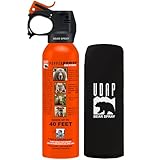
Always carry bear spray and know how to use it, as wildlife is abundant and wild.
9. Manage Your Waste
- What to do: Pack out everything you pack in. Use designated restrooms or catholes if in the backcountry.
- What “good” looks like: Your campsite is cleaner than you found it.
- Common mistake: Burying trash or leaving food scraps.
- Avoid it: Treat all trash as if it’s going to attract animals.
10. Pack Out and Leave No Trace
- What to do: Thoroughly clean your campsite, ensuring no micro-trash or food remnants are left behind.
- What “good” looks like: The site looks as if no one was ever there.
- Common mistake: Rushing the pack-out process.
- Avoid it: Do a final sweep of your entire campsite before you leave.
Common mistakes (and what happens if you ignore them)
| Mistake | What it causes | Fix |
|---|---|---|
| Not booking campsites in advance | No place to sleep, potentially driving hours out of the park. | Book through Recreation.gov months ahead of time. |
| Underestimating Yellowstone weather | Hypothermia, being miserable, cutting your trip short. | Pack layers, rain gear, and warm hats, regardless of the season. |
| Getting too close to wildlife | Animal injury or death, human injury or death, animal relocation or euthanasia. | Maintain 100 yards from bears/wolves, 25 yards from others. Use zoom lenses for photos. |
| Improper food storage | Attracting bears to your campsite, leading to dangerous encounters. | Use bear boxes or bear canisters for <em>all</em> scented items. Never leave food unattended. |
| Ignoring fire restrictions | Starting a wildfire, significant fines, potential jail time. | Always check the current fire restrictions on the NPS website before lighting any fire. |
| Not planning for backcountry permits | Being turned away from wilderness areas you wanted to hike/camp in. | Research permit requirements and application windows well in advance. |
| Leaving trash behind | Attracting wildlife, damaging the environment, making the park look bad. | Pack out <em>everything</em> you pack in. Leave no trace. |
| Driving on roads you’re not prepared for | Getting stuck, damaging your vehicle, needing a tow. | Know your vehicle’s capabilities. Check road conditions on the NPS site for 4WD/high-clearance needs. |
| Not having a water plan (backcountry) | Dehydration or getting sick from untreated water. | Carry a reliable water filter or purification tablets. |
| Expecting cell service everywhere | Inability to contact help, share your location, or check conditions. | Download offline maps, carry a satellite communicator if going remote, tell someone your plans. |
Decision rules (simple if/then)
- If your vehicle is not high-clearance and 4WD, then stick to paved roads and developed campgrounds because many backcountry roads are rough.
- If you see an animal within 100 yards, then stop and observe from a distance because you are too close to safely approach.
- If you are camping in the backcountry, then you must carry a bear canister because it’s required for safety and park regulations.
- If you plan to camp during peak season (summer), then you must book your frontcountry site six months in advance because they sell out incredibly fast.
- If you are unsure about current fire restrictions, then assume there is a ban and do not plan to have a campfire because it’s better to be safe than sorry.
- If you are in an area with bison or elk, then give them a wide berth and never get between a mother and her calf because they can be unpredictable and dangerous.
- If you are hiking in the backcountry, then always carry a map and compass (and know how to use them) because cell service is unreliable.
- If you have food or scented items in your tent, then you are risking a bear encounter, so store them properly in a bear box or canister.
- If the weather forecast looks clear, then still pack rain gear and warm layers because mountain weather changes rapidly.
- If you encounter a ranger, then ask them questions about local conditions and safety because they are the best source of up-to-date information.
- If you are planning a multi-day backcountry trip, then always tell a trusted friend or family member your exact itinerary and expected return time because this is crucial for your safety.
FAQ
Q: How do I book a campsite in Yellowstone?
A: For frontcountry campgrounds, reservations are made through Recreation.gov. Most sites are reservable, and they go fast.
Q: Do I need a permit to camp in Yellowstone?
A: Yes, you need a permit for backcountry camping. Frontcountry campgrounds require reservations, not separate permits.
Q: What’s the difference between frontcountry and backcountry camping?
A: Frontcountry camping is in developed campgrounds with amenities like restrooms and picnic tables, accessible by vehicle. Backcountry camping involves hiking into wilderness areas and setting up camp with minimal impact.
Q: Are there bears in Yellowstone? How do I stay safe?
A: Yes, Yellowstone has a healthy population of grizzly and black bears. Always carry bear spray, know how to use it, keep your distance, and store food properly.
Yes, Yellowstone has a healthy population of grizzly and black bears. Always carry bear spray, know how to use it, keep your distance, and store food properly.
Q: Can I have a campfire?
A: Only if there are no fire restrictions in place. Always check the current fire danger levels on the NPS website before planning a campfire. Many areas prohibit them year-round.
Q: What should I pack for Yellowstone camping?
A: Pack layers! Include rain gear, warm clothing (even in summer), sturdy hiking boots, sun protection, insect repellent, and bear spray.
Q: Is cell service available in Yellowstone campgrounds?
A: Service is very limited and unreliable. Don’t count on your phone for navigation or communication outside of developed areas.
Q: What are the rules about pets in Yellowstone?
A: Pets are generally restricted to developed areas like campgrounds and roadsides, and must be leashed. They are not allowed on hiking trails or in the backcountry.
Q: How much does camping cost in Yellowstone?
A: Campsite fees vary but are generally affordable. Backcountry permits also have a fee. Check the NPS website for current pricing.
What this page does NOT cover (and where to go next)
- Specific trail conditions and closures (check the NPS website for current trail reports).
- Detailed backcountry trip planning for specific zones (consult ranger districts for detailed advice).
- Detailed wildlife identification and behavior (educate yourself on animal safety before you go).
- Gear reviews or recommendations (research camping gear based on your specific needs and budget).
- Fishing or hunting regulations (visit the official Yellowstone regulations page for details).

Camping Bob has spent over 20 years camping across the US — from BLM dispersed sites in the Southwest to KOA campgrounds in the Pacific Northwest. He writes practical, no-nonsense guides to help fellow campers get outdoors with confidence.