
Launching Your Own Camping Site Business
Quick answer
- Scout locations that are scenic and accessible.
- Understand local zoning and permit requirements.
- Develop a solid business plan.
- Secure necessary funding.
- Create a booking and management system.
- Prioritize safety and Leave No Trace principles.
- Market your unique offerings.
What to check first (do this before you drive out)
Before you even think about putting up a tent, there are some critical things to nail down. This isn’t just about finding a pretty spot; it’s about making sure you can operate there legally and responsibly.
- Land manager / legality: Who actually owns or manages the land you’re eyeing? Is it public (US Forest Service, BLM, state parks) or private? Public land often has strict rules against private commercial operations. Private land means dealing with local zoning, permits, and potentially HOA rules. You need to know who holds the keys.
- Access/road conditions: How will people get to your site? Is the road paved, gravel, or just a rough track? Consider if a standard car can make it, or if you’ll need AWD or high clearance. Imagine a family with kids and gear trying to navigate a muddy rut. If it’s tough for them, it’s tough for business.
- Fire restrictions + weather + wind: What’s the fire risk like year-round? Check current restrictions and historical patterns. Understand the typical weather for your chosen season – heavy rain, snow, extreme heat. High winds can be a real danger in exposed camping areas.
- Water plan + waste plan (Leave No Trace): Where will campers get potable water? How will human waste and trash be handled? This is fundamental to LNT. You can’t just dig a hole and call it a day. You need a plan for greywater, solid waste, and proper sanitation.
- Safety (wildlife, distance to help, comms): What kind of wildlife is in the area? Bears, snakes, ticks? Are there any immediate hazards like steep cliffs or fast-moving water? How far is the nearest town or emergency services? Cell service is often spotty in camping areas. You need to consider how people will get help if they need it.
Step-by-step (field workflow)
So, you’ve got the initial checks done. Now, let’s get down to the nitty-gritty of setting up shop. This is where the rubber meets the road, or rather, where the stakes meet the ground.
1. Define your niche: What kind of camping experience will you offer? Glamping? Primitive sites? Family-friendly? Pet-friendly? This sets the tone for everything else.
- Good looks like: A clear vision that stands out. Think “rustic luxury” or “back-to-basics adventure.”
- Common mistake: Trying to be everything to everyone. This dilutes your brand and confuses potential customers. Avoid it by focusing on a specific vibe.
If you’re aiming for a luxurious camping experience, consider offering a high-quality glamping bell tent to attract a premium market.
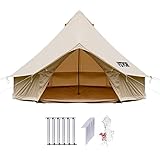
2. Scout and secure land: Find a location that fits your niche and meets the initial checks. If it’s private land, work on acquisition or a long-term lease.
- Good looks like: A beautiful, accessible spot with natural appeal and minimal environmental impact.
- Common mistake: Skipping due diligence on land ownership or zoning. This can lead to legal headaches and shut down your business before it starts. Double-check everything.
3. Research local regulations: Dive deep into zoning laws, business permits, health department regulations, and any specific camping ordinances.
- Good looks like: A thorough understanding of what’s required. You should be able to list every permit and inspection needed.
- Common mistake: Assuming what worked for a friend in another county will work for you. Regulations vary wildly. Get the official word.
4. Develop a business plan: Outline your concept, target market, marketing strategy, operational plan, and financial projections.
- Good looks like: A detailed roadmap that’s realistic and persuasive, especially if you need funding.
- Common mistake: Winging it. A solid plan is your anchor. Don’t skip this step; it’s your blueprint for success.
5. Secure funding: Determine how much capital you need and explore options like personal savings, loans, or investors.
- Good looks like: Enough capital to cover startup costs and operating expenses for at least the first year.
- Common mistake: Underestimating startup costs. Always add a buffer for unexpected expenses.
6. Design your site layout: Plan the placement of tent pads, fire rings, picnic tables, restrooms, and access paths. Consider flow and privacy.
- Good looks like: A functional, safe, and aesthetically pleasing layout that maximizes the natural beauty of the site.
- Common mistake: Cramming too many sites in. This leads to a poor customer experience and environmental damage. Think quality over quantity.
7. Establish infrastructure: Install necessary amenities like potable water access, waste disposal systems (composting toilets, bear-proof trash cans), and potentially Wi-Fi.
- Good looks like: Clean, functional, and durable infrastructure that meets health and safety standards.
- Common mistake: Cutting corners on sanitation. This is a major health risk and a surefire way to get shut down. Invest in proper systems.
For reliable power in remote areas, a portable inverter generator can be a great investment to ensure your guests have access to essential electricity.

8. Create a booking system: Choose an online platform or develop your own system for reservations, payments, and communication.
- Good looks like: An easy-to-use, reliable system that streamlines bookings and confirmations.
- Common mistake: Using a clunky or unreliable booking process. Frustrated campers will go elsewhere.
9. Develop operational procedures: Write down rules for campers, check-in/check-out procedures, emergency protocols, and maintenance schedules.
- Good looks like: Clear, concise documentation that ensures consistent operations and guest safety.
- Common mistake: Not having clear rules for campers. This leads to confusion, conflicts, and potential damage. Write them down and communicate them.
10. Market your business: Create a website, use social media, and explore partnerships to attract your target audience.
- Good looks like: Engaging content that highlights your unique offerings and attracts the right kind of campers.
- Common mistake: Relying solely on word-of-mouth. You need a proactive marketing strategy to get noticed.
11. Obtain insurance: Secure adequate liability insurance to protect yourself and your business.
- Good looks like: Comprehensive coverage that addresses potential risks associated with operating a campground.
- Common mistake: Skimping on insurance. Accidents happen, and without proper coverage, you could face financial ruin.
12. Open for business: Welcome your first guests and gather feedback for continuous improvement.
- Good looks like: A smooth operation with happy campers and a clean, well-maintained site.
- Common mistake: Getting complacent. Always seek feedback and look for ways to improve the guest experience.
Common mistakes (and what happens if you ignore them)
| Mistake | What it causes | Fix |
|---|---|---|
| Ignoring zoning laws | Fines, forced closure, legal battles. | Thoroughly research and comply with all local zoning and land-use regulations <em>before</em> investing. |
| Underestimating startup costs | Running out of money, unfinished infrastructure, poor quality amenities. | Create a detailed budget with a significant contingency fund (20-30%). |
| Poor sanitation and waste management | Health code violations, environmental contamination, bad reputation. | Invest in proper waste disposal systems (e.g., composting toilets, bear-proof bins) and LNT practices. |
| Inadequate road access | Guests get stuck, vehicles damaged, limited customer base. | Ensure roads are suitable for standard vehicles or clearly communicate AWD/high-clearance needs. |
| Lack of clear site rules | Conflicts between campers, property damage, safety hazards. | Post clear, concise rules and communicate them during the booking process. |
| Insufficient insurance coverage | Financial ruin from accidents or lawsuits. | Consult with an insurance professional to get adequate liability coverage. |
| Overbooking or unreliable booking system | Customer frustration, lost revenue, damaged reputation. | Use a reputable booking platform and maintain accurate availability calendars. |
| Neglecting site maintenance | Unsafe conditions, unappealing appearance, guest complaints. | Establish a regular maintenance schedule for grounds, facilities, and amenities. |
| Ignoring local wildlife safety | Harm to wildlife, danger to campers, negative PR. | Educate campers on safe wildlife interactions and implement appropriate management strategies. |
| Failing to plan for emergencies | Delayed response to medical issues, fires, or natural disasters. | Develop and communicate clear emergency protocols, and ensure access for emergency services. |
| Poor marketing or targeting | Low occupancy rates, attracting the wrong clientele. | Define your niche and target marketing efforts to reach the right audience effectively. |
| Inadequate water and power (if offered) | Guest discomfort, operational failures, health risks. | Ensure reliable, safe, and sufficient water and power sources for your planned services. |
Decision rules (simple if/then)
- If the land is managed by the USFS or BLM, then check for Special Use Permits, because commercial operations on public lands require specific authorization.
- If the primary access road is unpaved and steep, then require AWD vehicles, because 2WD vehicles may struggle or get stuck, leading to customer dissatisfaction.
- If the local fire danger is rated “high” or “extreme,” then implement a strict campfire ban, because wildfire risk is a serious threat to life and property.
- If cell service is unreliable in the area, then provide a landline or satellite communication option for emergencies, because guests need a way to contact help.
- If your target market includes families with young children, then ensure safe, accessible amenities and clear pathways, because their safety and convenience are paramount.
- If you plan to offer glamping accommodations, then invest in quality tents and comfortable furnishings, because the expectation is comfort and a step up from basic camping.
- If local ordinances require specific waste disposal methods (e.g., composting toilets), then comply fully, because health department violations can shut you down immediately.
- If you’re considering offering guided activities, then ensure guides are certified and insured, because safety and liability are critical.
- If feedback indicates issues with privacy between sites, then consider adding natural screening or adjusting site placement, because campers value their personal space.
- If the area is prone to flash floods, then avoid camping in low-lying areas and educate guests on flood safety, because water can rise rapidly and without warning.
- If you’re unsure about permit requirements, then consult with the local planning department or a land-use attorney, because getting this wrong can be costly.
- If your business plan relies heavily on seasonal income, then have a financial cushion for the off-season, because consistent cash flow is key to long-term survival.
FAQ
How much money do I need to start a campground?
Startup costs vary wildly, from a few thousand for basic primitive sites on leased land to hundreds of thousands or more for developed campgrounds with amenities. Always budget for permits, infrastructure, marketing, and a healthy contingency fund.
What permits do I need to run a campground?
This depends heavily on your location. You’ll likely need local zoning permits, business licenses, health department permits for sanitation and water, and potentially state or federal permits if operating on public land.
Is it profitable to own a campground?
Yes, campgrounds can be profitable, but it requires careful planning, efficient operations, and understanding your market. Success depends on occupancy rates, pricing, and managing expenses effectively.
What are the biggest challenges in running a campground?
Common challenges include weather dependency, seasonal fluctuations, maintenance demands, managing guest expectations, and navigating complex regulations.
Can I start a campground on my own property?
You can, but you must ensure your property is zoned for commercial campground use and obtain all necessary permits. Check with your local planning department first.
What’s the difference between a campground and an RV park?
Campgrounds typically cater to tents and basic shelters, often with fewer amenities. RV parks are designed for recreational vehicles, usually with hookups for electricity, water, and sewer.
How do I handle wildlife encounters?
Educate your guests on proper food storage and safety. Implement bear-resistant trash cans and provide information on local wildlife and how to react if encountered.
What are the most important amenities to offer?
Clean restrooms and potable water are non-negotiable. Depending on your niche, fire rings, picnic tables, and reliable Wi-Fi can also be highly valued.
How do I market my new campground?
Build a professional website, use social media to showcase your location and offerings, partner with local tourism boards, and consider online travel agencies (OTAs) or camping-specific booking platforms.
What is Leave No Trace, and why is it important for my business?
Leave No Trace (LNT) is a set of principles for minimizing your impact on the environment. It’s crucial for campgrounds to protect the natural beauty guests come to enjoy and to comply with environmental regulations.
What this page does NOT cover (and where to go next)
- Detailed financial projections and loan applications. (Next: Consult with a financial advisor or small business lender.)
- Specific legal advice on contracts or land acquisition. (Next: Consult with a real estate attorney.)
- In-depth marketing strategies and social media campaigns. (Next: Explore digital marketing courses or hire a marketing specialist.)
- Detailed construction and engineering plans for facilities. (Next: Engage with architects and civil engineers.)
- Specific software recommendations for booking and management systems. (Next: Research campground management software reviews and demos.)

Camping Bob has spent over 20 years camping across the US — from BLM dispersed sites in the Southwest to KOA campgrounds in the Pacific Northwest. He writes practical, no-nonsense guides to help fellow campers get outdoors with confidence.