
Mastering the Fold: How to Pack Away Your Pop-Up Tent
Quick answer
- Practice folding it at home before your first trip.
- Identify the main frame and bend points.
- Collapse it into its smallest shape.
- Secure it with any included straps or ties.
- Stuff it back into the carrying bag.
- Don’t force it; there’s a trick to it.
What to check first (do this before you drive out)
Before you even think about packing up, a few key things need your attention. This saves a lot of headaches when you’re ready to hit the road.
- Land manager / legality: Who’s in charge here? Is it the Forest Service, BLM, a state park, or private land? Knowing this helps you understand any specific rules or regulations for the area. It’s usually posted, but a quick check online beforehand is smart.
- Access/road conditions: How rough is the road in and out? Some of these pop-up spots are easy to get to, others less so. If you’re in a sedan, know your limits. If it’s been raining, that dirt track can turn into a mud bog fast.
- Fire restrictions + weather + wind: This is critical. Are campfires allowed? Check the local fire danger level. Weather can change in an instant out here. Wind can be a real beast, especially with a pop-up. Know what you’re walking into.
- Water plan + waste plan (Leave No Trace): Do you have enough water for your stay, and a way to deal with your wastewater? Pack it in, pack it out. That means all your trash, food scraps, and greywater. Leave it cleaner than you found it.
- Safety (wildlife, distance to help, comms): What critters share this space? Be aware. Know how far you are from the nearest town or ranger station. Cell service can be spotty to non-existent. Tell someone where you’re going and when you expect to be back.
Step-by-step (field workflow)
Folding up your pop-up tent might seem like wrestling an octopus at first. But once you get the hang of it, it’s pretty straightforward. Here’s the breakdown.
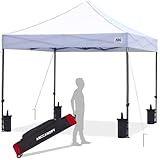
If you’re looking for a reliable pop-up tent, consider checking out this highly-rated option. It’s known for its ease of setup and durability.
1. Clear the tent: Remove all sleeping bags, pads, lights, and any other gear from inside the tent. Good to go.
- What “good” looks like: An empty, clean tent floor.
- Common mistake: Leaving a flashlight or a stray granola bar inside. This makes folding harder and could damage gear.
2. Find the “bend” points: Most pop-up tents have a specific frame structure designed to fold in a particular way. Look for the main hinges or cross-sections of the poles.
- What “good” looks like: You can visualize how the tent wants to collapse.
- Common mistake: Trying to fold it randomly. You’ll just make it a tangled mess.
3. Collapse one side: Pick a side and start bringing the poles together. For many dome-style pop-ups, this involves pushing the top down and inwards.
- What “good” looks like: The tent starts to form a more compact shape, like a flattened circle.
- Common mistake: Pushing too hard or in the wrong direction. This can bend or break poles.
4. Bring the opposite side in: Once one side is collapsed, work on the other. You’ll often end up with a figure-eight or a twisted circle shape.
- What “good” looks like: The tent is now significantly smaller, usually in a circular or oval form.
- Common mistake: Not letting the frame guide you. It wants to fold a certain way.
For those who prioritize portability, a compact camping tent like this one offers a great balance of space and easy packing. It’s perfect for backpacking or minimal setups.

5. Twist and flatten: Now you’re usually left with a shape that needs a final twist to flatten it completely. Think of folding a large pizza slice or a steering wheel.
- What “good” looks like: A flat, manageable disc or oval.
- Common mistake: Trying to force it flat without the twist. This strains the fabric and poles.
6. Secure the frame: Use any built-in straps, Velcro ties, or the included bungee cords to hold the folded tent together.
- What “good” looks like: The tent stays in its folded shape without trying to spring open.
- Common mistake: Not securing it well. It’ll try to expand and make packing difficult.
7. Stuff into the bag: Gently work the folded tent into its carrying bag. Sometimes you have to roll or fold it a bit more to get it to fit.
- What “good” looks like: The tent is fully inside the bag, and the drawstring or zipper closes easily.
- Common mistake: Forcing it. If it’s not fitting, you might need to readjust the fold.
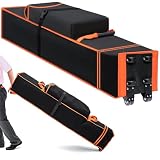
If your original carrying bag is worn or lost, a durable pop up tent carrying bag can make a big difference in protecting your tent during transport. This one is designed for a snug fit.
8. Pack it away: Place the tent bag with your other gear. Easy peasy.
- What “good” looks like: Everything is stowed and ready for transport.
- Common mistake: Leaving it outside the vehicle. You’ll forget it.
Common mistakes (and what happens if you ignore them)
| Mistake | What it causes | Fix |
|---|---|---|
| Not clearing gear from inside | Difficulty folding, potential damage to gear or tent | Always double-check the interior before you start folding. |
| Forcing the fold | Bent or broken poles, torn fabric | Let the tent’s frame guide you; don’t use excessive force. |
| Folding in the wrong sequence | Tangled mess, frustration, takes longer | Learn the specific folding pattern for your tent model. |
| Not securing the folded tent properly | Tent springs open, hard to pack, takes up more space | Use all available straps and ties to keep it compact. |
| Stuffing aggressively into the bag | Ripped bag, strained seams, damaged tent fabric | Gently guide the tent into the bag; adjust the fold if needed. |
| Trying to fold a wet or dirty tent | Mildew, mold, dirt embeds into fabric | Air out and dry your tent thoroughly before packing it away. |
| Not practicing at home | Stress and confusion at the campsite | Do a trial run in your living room or backyard first. |
| Ignoring the tent’s natural bend points | Makes the process much harder, can damage the structure | Identify the key frame connections that dictate the fold. |
| Overlooking small stakes or guy lines | Lost gear, incomplete tent setup next time | Always do a final sweep of the tent area for all components. |
| Packing away in a hurry | Mistakes, rushing, potential damage | Allow ample time for packing, especially if you’re tired. |
Decision rules (simple if/then)
- If the tent is wet, then dry it thoroughly before folding because mildew and mold are a tent’s worst enemy.
- If you’re unsure of the folding pattern, then watch a video tutorial for your specific tent model because visual guides are super helpful.
- If the poles feel like they’re bending too much, then stop and re-evaluate your folding technique because you might be forcing it.
- If the carrying bag seems too small for the folded tent, then readjust the fold to make it more compact because it should fit snugly.
- If you have a brand-new tent, then practice folding it at home before your trip because the first time in the field can be a challenge.
- If it’s windy, then find a sheltered spot to fold or have a buddy help hold it down because wind can make a pop-up tent try to fly away.
- If you can’t get it to fold into its usual shape, then check for obstructions or twisted poles because something might be out of place.
- If the tent has been used extensively, then inspect poles and fabric for damage before folding because you don’t want to pack a broken tent.
- If you’re packing for a group, then assign one person to be the “tent folder” so everyone knows the process because consistency helps.
- If you’re in a rush, then take a deep breath and focus on one step at a time because haste makes waste, especially with gear.
FAQ
How do I know if my pop-up tent is damaged?
Look for bent or kinked poles, tears in the fabric, or broken zippers. A damaged tent might not fold correctly or provide adequate shelter.
Can I fold my pop-up tent when it’s damp?
It’s best to avoid it. Dampness can lead to mildew and mold, which can ruin the tent fabric and cause odors. Air it out and dry it completely if possible.
My tent won’t go back into its bag. What’s wrong?
Usually, it means the tent isn’t folded compactly enough. Try twisting and flattening it more. Sometimes, the bag itself can shrink slightly if it’s been stored for a long time.
Do I need special tools to fold a pop-up tent?
Nope. Most pop-up tents are designed for tool-free folding. The frame is self-contained and works with a specific collapsing mechanism.
How long should it take to fold a pop-up tent?
Once you get the hang of it, it should only take a few minutes, maybe 2-5 minutes for most standard models. The first few times might take longer.
What’s the best way to store a pop-up tent long-term?
Store it loosely in its bag in a cool, dry place. Avoid stuffing it tightly or storing it in humid conditions or direct sunlight.
Is there a difference in folding between different brands of pop-up tents?
While the general principle is the same (collapsing the frame), the exact sequence and shape might vary slightly between brands and models. Always check your tent’s specific instructions if you have them.
What this page does NOT cover (and where to go next)
- Detailed repair guides for specific tent damage.
- In-depth reviews of different pop-up tent models.
- Advanced campsite setup techniques for extreme weather.
- Specific legal regulations for camping in national parks or forests.
- Choosing the right size pop-up tent for your needs.

Camping Bob has spent over 20 years camping across the US — from BLM dispersed sites in the Southwest to KOA campgrounds in the Pacific Northwest. He writes practical, no-nonsense guides to help fellow campers get outdoors with confidence.