
Estimating the Cost to Build a Campground
Quick answer
- Campground build costs vary wildly, from tens of thousands for a simple dispersed site to millions for a full-service resort.
- Key cost drivers include land acquisition, infrastructure (water, sewer, power), amenities, and permits.
- Expect to spend at least $5,000-$10,000 per campsite for basic improvements.
- Full-service sites with hookups can easily hit $25,000-$50,000+ each.
- Don’t forget soft costs: design, engineering, legal, and permitting fees.
- A phased approach can help manage upfront investment.
What to check first (do this before you drive out)
Before you even think about digging, you need to get your ducks in a row. This ain’t just about picking a pretty spot.
- Land Manager / Legality: Who owns this dirt? Is it public land (USFS, BLM, NPS, state parks) or private? Each has different rules, zoning, and permitting processes. Private land means you’re buying it or leasing it. Public land might be available through special use permits, but that’s a whole different beast.
- Access/Road Conditions: Can a regular car get there? Or do you need 4WD? What about RVs? Think about truck and trailer access, especially for construction vehicles. Mud, snow, or steep grades can add serious costs for road improvements or limit your target audience.
- Fire Restrictions + Weather + Wind: What’s the fire danger like? Are campfires even allowed? Check current restrictions. Understand the local climate – seasonal snow, heavy rains, or high winds can impact construction timelines and material choices. This also affects how long your season can realistically be.
- Water Plan + Waste Plan (Leave No Trace): Where’s your water coming from? Potable? Well? Hauling it in? And where does the wastewater go? Septic system? Composting toilets? Hookups? Gotta plan for this early. LNT principles are key here – minimize impact from day one.
- Safety (Wildlife, Distance to Help, Comms): What kind of critters call this place home? Bears? Mountain lions? How remote is it? How far to the nearest town, hospital, or ranger station? Cell service is often spotty. Have a plan for emergencies.
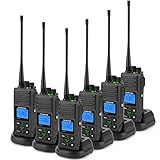
Given that cell service is often spotty in remote locations, a reliable set of two-way radios can be essential for safety and communication among staff.
When planning your waste system, consider modern composting toilets for an eco-friendly and often more cost-effective solution in remote areas.

Step-by-step (field workflow)
Building a campground isn’t a weekend project. It’s a process. Here’s a rough idea of how it goes down.
1. Define Your Vision:
- What to do: Decide on the type of campground – primitive, dispersed, RV park, glamping, family-friendly, adventure-focused?
- What “good” looks like: A clear concept that matches your target market and the land’s potential.
- Common mistake: Trying to be everything to everyone. You’ll spread yourself too thin and end up with a mediocre offering.
2. Secure the Land:
- What to do: Identify potential sites, conduct due diligence (surveys, environmental checks), and purchase or secure a long-term lease.
- What “good” looks like: Clear title, suitable zoning, and access.
- Common mistake: Skipping thorough due diligence. You might buy a beautiful piece of land with hidden environmental issues or access problems that kill your project.
3. Feasibility Study & Business Plan:
- What to do: Get realistic cost estimates, market research, and financial projections.
- What “good” looks like: A solid plan that shows profitability and sustainability.
- Common mistake: Overestimating revenue and underestimating expenses. Be brutally honest here.
4. Permitting & Zoning:
- What to do: Navigate local, county, and state regulations. This involves zoning applications, environmental impact assessments, health department approvals, and building permits.
- What “good” looks like: All necessary approvals in hand.
- Common mistake: Underestimating the time and complexity of permitting. It can take months, even years. Start early.
5. Design & Engineering:
- What to do: Hire architects and engineers for site layout, utility design (water, sewer, electrical), road design, and building plans.
- What “good” looks like: A functional, safe, and aesthetically pleasing design that meets all codes.
- Common mistake: Not hiring experienced professionals. Poor design leads to costly fixes later.
6. Site Preparation & Infrastructure:
- What to do: Clear land, grade roads and campsites, install utilities (water lines, sewer/septic, electrical conduits).
- What “good” looks like: A leveled site with functional utilities ready for hookups.
- Common mistake: Rushing site prep. Improper grading can lead to drainage issues and erosion.
7. Campsite Development:
- What to do: Lay out individual campsites, add fire rings, picnic tables, and potentially tent pads or RV pads.
- What “good” looks like: Clearly defined, level, and well-drained campsites.
- Common mistake: Making campsites too small or too close together. Campers need space and privacy.
8. Building Amenities:
- What to do: Construct restrooms, showers, a camp store, office, or other facilities.
- What “good” looks like: Durable, functional, and attractive buildings that serve your guests.
- Common mistake: Skimping on materials or design for communal areas. These are often the first impression.
9. Landscaping & Final Touches:
- What to do: Plant trees, add signage, install lighting, and finish any remaining aesthetic elements.
- What “good” looks like: A welcoming and well-maintained appearance.
- Common mistake: Neglecting the final details. It’s the little things that make a place feel complete.
10. Marketing & Opening:
- What to do: Develop a marketing strategy, set up booking systems, and officially open for business.
- What “good” looks like: A steady stream of bookings and happy campers.
- Common mistake: Opening without a solid marketing plan. You can have the best campground in the world, but if no one knows about it, it won’t succeed.
Common mistakes (and what happens if you ignore them)
| Mistake | What it causes | Fix |
|---|---|---|
| Skipping due diligence on land | Buying land with hidden environmental issues, access problems, or zoning conflicts. | Thorough surveys, environmental assessments, and title searches. |
| Underestimating permitting complexity | Major project delays, fines, or the inability to even start construction. | Engage with local planning departments early and often. Hire experienced consultants. |
| Poor site layout design | Inefficient use of space, traffic flow problems, and guest dissatisfaction. | Hire a professional designer/engineer experienced in campground development. |
| Inadequate utility planning | Insufficient water pressure, sewage backups, or electrical outages. | Oversize systems slightly and consult with utility specialists. |
| Building too close to sensitive areas | Environmental damage, regulatory violations, and negative publicity. | Respect setbacks for water bodies, wildlife habitats, and steep slopes. |
| Not accounting for seasonality | Lost revenue during off-seasons or excessive wear and tear in harsh weather. | Design for year-round use if possible, or plan for seasonal closures and maintenance. |
| Underestimating road construction costs | Roads that are impassable for RVs or heavy vehicles, leading to damage. | Budget generously for grading, gravel, and proper drainage for all access roads. |
| Ignoring guest experience needs | Low occupancy rates and poor reviews due to uncomfortable or inconvenient sites. | Visit existing campgrounds, talk to campers, and prioritize comfort, privacy, and amenities. |
| Insufficient marketing budget | Low initial bookings and difficulty establishing a customer base. | Develop a comprehensive marketing plan with sufficient funds for advertising and online presence. |
| Not planning for future expansion | Bottlenecks and costly retrofits if the campground becomes popular. | Design with future growth in mind, leaving space and utility access for additional sites. |
Decision rules (simple if/then)
- If the land is heavily wooded and steep, then expect higher site development costs because clearing and grading will be significant.
- If your target market includes large RVs, then ensure road widths and campsite pads are generous because they need more maneuvering space.
- If the area has limited natural water sources, then budget for drilling a well or a more robust water hauling/storage system because water is non-negotiable.
- If you plan to offer hookups (water, sewer, electric), then expect a substantial increase in infrastructure costs because trenching and utility installation are expensive.
- If the local zoning is restrictive, then be prepared for a longer and more expensive permitting process because you might need variances or special permits.
- If you’re aiming for a primitive or dispersed camping feel, then focus on minimal infrastructure to keep costs down, but ensure clear LNT guidelines are posted.
- If you encounter significant rock outcroppings during excavation, then be prepared for increased costs for blasting or specialized equipment because breaking up solid rock is tough work.
- If you want to offer flush toilets and showers, then a robust septic system or connection to municipal sewer is mandatory, adding significant cost and complexity.
- If you plan to operate year-round in a snowy climate, then factor in snow removal, heated facilities, and potentially higher insurance premiums because winter camping requires extra preparation.
- If your initial budget is tight, then consider a phased development approach, starting with fewer sites and basic amenities, and expanding as revenue grows because this reduces upfront risk.
- If wildlife is a concern (bears, etc.), then budget for bear-proof food storage lockers and reinforced trash receptacles because protecting both wildlife and campers is crucial.
- If cell service is poor, then consider investing in Wi-Fi for guests and ensuring clear signage for emergency contact information because connectivity is a modern expectation.
FAQ
Q: What’s the absolute cheapest way to build a campground?
A: The cheapest route is usually developing primitive sites on existing public land via a special use permit, or buying very inexpensive, raw private land and offering minimal amenities like a vault toilet and fire rings.
Q: How much does land typically cost for a campground?
A: Land costs vary wildly. You could find cheap acreage in remote areas for a few thousand dollars an acre, or pay hundreds of thousands for prime locations near popular attractions.
Q: Are permits really that expensive and time-consuming?
A: Yes, they can be. Depending on the jurisdiction and the scope of your project, permits can cost thousands to tens of thousands of dollars and take many months to secure.
Q: What are the biggest unexpected costs?
A: Often, it’s dealing with unforeseen site conditions like poor soil, rock, or groundwater issues, and the cost of utility extensions if you’re not near existing infrastructure.
Q: Do I need to hire an engineer?
A: Absolutely. For any significant development involving utilities, roads, or structures, you’ll need engineers to design systems that are safe, functional, and meet code.
Q: How many campsites can I fit on X acres?
A: It depends. A primitive campground might fit 20-30 sites per acre, while an RV park with full hookups might only fit 5-10 sites per acre due to space needed for utilities and access.
Q: Is it cheaper to buy an existing campground?
A: Often, yes. Buying an existing, permitted campground can save you immense time and money on land acquisition, permitting, and initial infrastructure, though you’ll still have renovation costs.
Q: What about insurance?
A: Insurance is a significant ongoing cost. You’ll need general liability, property insurance, and potentially specialized coverage depending on your amenities and location.
What this page does NOT cover (and where to go next)
- Specific construction techniques for each amenity (e.g., building a septic system).
- Detailed legal requirements for specific states or counties.
- Marketing strategies and pricing models for campgrounds.
- Operational aspects like staffing, booking systems, and customer service.
- Financing options and securing loans for campground development.

Camping Bob has spent over 20 years camping across the US — from BLM dispersed sites in the Southwest to KOA campgrounds in the Pacific Northwest. He writes practical, no-nonsense guides to help fellow campers get outdoors with confidence.