
Camp Host Earnings: How Much Can You Make?
Quick answer
- Camp hosts are typically unpaid volunteers, receiving free camping in exchange for services.
- Some paid positions exist, especially for experienced individuals or specialized roles.
- Earnings, when they occur, can range from a small stipend to a modest hourly wage.
- Compensation often includes utilities and site amenities.
- It’s a gig for the love of camping, not for getting rich.
- Check specific job postings for details on pay and benefits.
What to check first (do this before you drive out)
Before you even think about packing the car, you need to get the lay of the land regarding camp host gigs. This ain’t just showing up and setting up your tent.
- Land manager / legality (who manages the land)
You gotta know who’s in charge. Is it the National Forest Service (USFS)? Bureau of Land Management (BLM)? A state park system? Or a private campground owner? Each has its own rules, expectations, and sometimes, compensation structures. Knowing this upfront saves you headaches later.
- Access/road conditions (2WD vs AWD, clearance, mud/snow)
Some host sites are right off a paved highway. Others are deep in the backcountry requiring high clearance and 4WD. Don’t assume anything. A quick call or check of the land manager’s website can tell you if your rig can handle the trip. I learned that the hard way once, nearly getting my old pickup stuck on a Forest Service road.
- Fire restrictions + weather + wind
This is non-negotiable, especially out West. Fire bans can mean no campfires, no charcoal grills, and sometimes even no stoves. Check the current restrictions before you leave home and again when you arrive. Weather can change fast, too. Wind can be a serious hazard in exposed areas.
- Water plan + waste plan (Leave No Trace)
Where will you get your water? Potable or do you need to filter/treat it? And what about waste? If it’s a primitive site, you’ll be packing out everything, including trash and human waste. Plan for this. Leave No Trace principles are paramount.
- Safety (wildlife, distance to help, comms)
Know what critters are in the area. Bears, snakes, cougars – be aware. How far is the nearest ranger station or town? Cell service is often spotty or non-existent. Have a plan for emergencies. A satellite communicator is a good idea for remote spots.
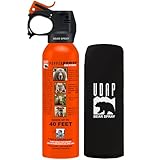
When considering safety in remote areas, especially with wildlife like bears, carrying reliable bear spray is a smart precaution. It can provide a crucial layer of defense in unexpected encounters.
Step-by-step (field workflow)
So, you’ve found a gig and you’re heading out. Here’s how to roll.
1. Confirm with the contact person.
- What to do: Reach out to the person who hired you or assigned you the spot. Confirm your arrival date, time, and any specific instructions.
- What “good” looks like: You get a clear confirmation and feel confident about your start.
- Common mistake: Assuming the communication is one-and-done. Things change. Always confirm before you make the drive.
2. Travel to the campground/site.
- What to do: Drive to your assigned location, paying attention to road conditions and any posted signage.
- What “good” looks like: You arrive safely and without incident, ready to start.
- Common mistake: Rushing and not paying attention to road hazards or speed limits, especially on unpaved roads.
3. Check in with the land manager or supervisor.
- What to do: Find the designated person (ranger, campground manager, etc.) and introduce yourself.
- What “good” looks like: You’ve met the right people and understand who to report to.
- Common mistake: Showing up and just setting up camp without reporting in, potentially taking someone else’s spot or missing crucial information.
4. Inspect your assigned host site.
- What to do: Look over the campsite you’ll be living in. Check for any issues with hookups (water, electric, sewer if applicable), the tent pad or RV spot, and immediate surroundings.
- What “good” looks like: Your site is clean, functional, and safe.
- Common mistake: Not thoroughly checking utilities before you set up, only to find out the water spigot is broken or the electric is faulty.
5. Set up your living quarters.
- What to do: Unpack your RV, tent, or trailer and get your living space organized.
- What “good” looks like: Your camp is comfortable, secure, and ready for you to live in.
- Common mistake: Cramming too much stuff into a small space, making it difficult to move around and do your duties.
6. Familiarize yourself with the campground layout.
- What to do: Walk around the entire campground. Note the location of restrooms, water spigots, trash receptacles, trailheads, and any other amenities.
- What “good” looks like: You know where everything is and can direct campers.
- Common mistake: Relying solely on a map and not actually walking the grounds, leading to confusion when asked for directions.
7. Understand your duties and schedule.
- What to do: Get a clear list of your responsibilities and the hours you’re expected to be available. This might include greeting visitors, light cleaning, trail maintenance, or answering questions.
- What “good” looks like: You have a written or clearly understood list of tasks and expectations.
- Common mistake: Vague instructions leading to doing too much or too little, causing friction with the land manager.
8. Begin your duties.
- What to do: Start performing your assigned tasks according to the schedule.
- What “good” looks like: You’re actively engaged in your role, contributing to the smooth operation of the campground.
- Common mistake: Procrastinating or slacking off, which can lead to a backlog of work and unhappy campers.
9. Interact with campers.
- What to do: Be friendly, helpful, and informative. Answer questions about the area, regulations, and facilities.
- What “good” looks like: Campers feel welcomed and informed, enhancing their experience.
- Common mistake: Being unapproachable or giving incorrect information, which can lead to frustration and safety issues.
10. Maintain your site and the campground.
- What to do: Keep your personal living area tidy. Assist with general campground cleanliness as needed (e.g., picking up litter, tidying common areas).
- What “good” looks like: The campground looks neat and well-cared for, reflecting positively on everyone.
- Common mistake: Letting personal clutter spill into public areas or neglecting basic tidiness, making the place look run-down.
11. Report issues.
- What to do: Immediately report any problems – broken facilities, rule violations, safety concerns, or medical emergencies – to your supervisor.
- What “good” looks like: Problems are addressed promptly and effectively.
- Common mistake: Trying to fix a major issue yourself or ignoring a serious problem, which can escalate.
For any minor injuries or emergencies that might arise, having a comprehensive camping first aid kit readily accessible is essential. It ensures you’re prepared to handle common outdoor mishaps before professional help arrives.

12. Debrief and depart.
- What to do: At the end of your term, check out with your supervisor. Leave your host site clean and in good condition.
- What “good” looks like: A smooth transition and a positive review from your supervisor.
- Common mistake: Leaving your site messy or not properly signing off, which can impact future opportunities.
Common mistakes (and what happens if you ignore them)
| Mistake | What it causes | Fix |
|---|---|---|
| Not confirming details before arrival | Wasted travel time, no assigned spot, confusion, missed opportunities. | Always get written confirmation and contact info. Double-check before you leave. |
| Ignoring road conditions | Vehicle damage, getting stuck, requiring rescue, delaying your arrival. | Research road conditions, know your vehicle’s limits, and carry appropriate gear. |
| Misunderstanding fire restrictions | Accidental wildfire, fines, damage to natural resources, legal trouble. | Always check current fire restrictions with the land manager before and during your stay. |
| Poor waste management (Leave No Trace) | Environmental damage, attracting wildlife, negative impact on future visitors. | Pack out all trash, follow proper human waste disposal, and respect the natural environment. |
| Failing to report issues promptly | Minor problems become major, safety hazards, damage to facilities. | Communicate any issues, no matter how small, to your supervisor immediately. |
| Being unapproachable or unhelpful | Frustrated campers, negative reviews, missed opportunities to educate. | Smile, be visible, and offer assistance and accurate information with a friendly attitude. |
| Neglecting personal site cleanliness | Attracting pests, creating an eyesore, unprofessional appearance. | Keep your living space tidy and contained. Don’t let personal belongings spill into public areas. |
| Not knowing the campground layout | Inability to direct campers, wasted time, appearing incompetent. | Walk the campground thoroughly and familiarize yourself with all amenities and features. |
| Exceeding authority or acting alone | Causing conflict, making bad decisions, legal liability for the agency. | Stick to your assigned duties and report all significant issues to your supervisor. |
| Not understanding your schedule/duties | Missing important tasks, overworking, underworking, causing confusion. | Get a clear, written list of your responsibilities and expected hours of availability. |
Decision rules (simple if/then)
- If you see a campfire burning when fire restrictions are in effect, then immediately notify your supervisor because it’s a serious safety hazard and potential violation.
- If a camper asks for directions to a place you don’t know, then politely say you’re unsure and offer to find out from the ranger station or a map because providing wrong information can be dangerous.
- If your RV’s water hookup is leaking, then shut off the water and report it to your supervisor because it’s a waste of a precious resource and could cause damage.
- If you encounter aggressive wildlife, then maintain a safe distance and report it to your supervisor because direct intervention can be dangerous for both you and the animal.
- If you’re unsure about a specific rule or regulation, then err on the side of caution and consult your supervisor because it’s better to be safe than sorry.
- If you witness a camper engaging in clearly dangerous behavior, then observe from a safe distance and report it to your supervisor because your safety comes first.
- If your assigned host site has a significant problem (e.g., no power, broken toilet), then report it before you fully set up because you might need to be reassigned or wait for repairs.
- If a camper is being belligerent or breaking rules repeatedly, then don’t engage directly; report the situation to your supervisor because de-escalation is their job.
- If you are feeling unwell or unable to perform your duties, then inform your supervisor as soon as possible because they need to know your availability.
- If you are asked to perform a task outside your agreed-upon duties, then politely clarify your role with your supervisor because it’s important to stay within your scope.
- If you notice a sudden change in weather (e.g., high winds, lightning), then secure your campsite and be aware of potential hazards, and report any immediate dangers.
FAQ
How much do camp hosts make?
Most camp hosts are volunteers who receive free camping and sometimes utilities in exchange for their work. Some paid positions exist, but they are less common and typically offer a modest stipend or hourly wage.
Is camp hosting a good way to save money?
Yes, if your primary goal is to reduce camping costs. The value of free camping and potentially free utilities can be significant, but it’s not a primary income source.
What kind of work do camp hosts do?
Duties vary but often include greeting visitors, answering questions, light cleaning of restrooms and common areas, picking up litter, minor maintenance, and enforcing campground rules.
Do camp hosts get paid for their time?
Typically, no. The compensation is usually the free campsite. Some agencies or private campgrounds might offer a small stipend or an hourly wage for specific roles or extensive duties.
What are the benefits of being a camp host?
Besides free camping, you get to spend extended time in beautiful natural settings, gain experience in outdoor recreation management, meet many people, and contribute to public lands.
Are there specific qualifications needed to be a camp host?
Often, no formal qualifications are required, but a love for the outdoors, good people skills, reliability, and basic camping knowledge are essential. Some specialized roles might require specific skills.
How do I find camp host positions?
Look on the websites of land management agencies (USFS, BLM, NPS, state parks) and search for volunteer or seasonal positions. Private campgrounds also often advertise on their own sites or through general job boards.
What is the typical time commitment for a camp host?
It varies greatly. Some gigs are for a few weeks, while others are for an entire season (several months). It often involves being available during peak hours and weekends.
Can my family or pets be part of the camp host arrangement?
Usually, yes, but you must clarify this upfront with the hiring agency or campground. There may be specific rules regarding pets or additional occupants.
What this page does NOT cover (and where to go next)
- Specific campground names, locations, and reservation systems.
- Next: Visit the official websites of the US Forest Service, Bureau of Land Management, National Park Service, and your state’s park system.
- Detailed legal requirements or specific fines for rule violations.
- Next: Consult the regulations posted at the campground or on the land manager’s official site.
- In-depth advice on RV maintenance or advanced camping skills.
- Next: Explore resources dedicated to RVing or specific outdoor skills.
- Personal stories and testimonials from individual camp hosts.
- Next: Search for forums or blogs where current and former camp hosts share their experiences.
- Information on private campground chains and their specific host programs.
- Next: Check the “Careers” or “Volunteer” sections of major private campground websites.

Camping Bob has spent over 20 years camping across the US — from BLM dispersed sites in the Southwest to KOA campgrounds in the Pacific Northwest. He writes practical, no-nonsense guides to help fellow campers get outdoors with confidence.