
How to Repair a Zipper on Your Sleeping Bag
Quick answer
- A broken sleeping bag zipper is a bummer, but usually fixable.
- Identify the problem: is it the slider, teeth, or fabric?
- For a stuck slider, try graphite or wax.
- Bent teeth? Gently realign with pliers.
- If teeth are missing or fabric torn, you might need a replacement slider or even a new zipper.
- Don’t force a stubborn zipper; you’ll make it worse.
- Practice on an old bag if you’re nervous.
What to check first (do this before you drive out)
Before you even think about wrestling with a broken zipper in the backcountry, take a sec. A little prep saves a lot of hassle.
- Land manager / legality: Know who owns the dirt you’re camping on. US Forest Service, BLM, National Parks, State Parks – they all have their own rules. Check their websites or call ahead. It’s your responsibility to know.
- Access/road conditions: Is that dirt road a death trap after a rain? Is your rig ready for it? A high-clearance 4×4 might be essential for some spots. Don’t get stranded.
- Fire restrictions + weather + wind: This is huge. Dry conditions mean no fires. Wind can make a campfire dangerous and a tent a nightmare. Check the forecast and fire danger levels religiously.
- Water plan + waste plan (Leave No Trace): Where will you get water? How will you treat it? And where will that human waste go? Pack it out or bury it properly. LNT is non-negotiable.
- Safety (wildlife, distance to help, comms): Know the local critters. Bears? Mountain lions? Be smart. How far is the nearest town or ranger station? Cell service is a gamble. A satellite communicator is a good backup for serious trips.
Step-by-step (field workflow)
Okay, the zipper’s busted. Let’s get it sorted so you can actually zip yourself into warmth.
1. Assess the damage:
- What to do: Look closely. Is the slider stuck? Are teeth bent or missing? Is the fabric around the zipper torn?
- What “good” looks like: You can clearly see what the problem is.
- Common mistake: Panicking and yanking. This usually makes a small problem much bigger. Take a breath.
2. If the slider is stuck:
- What to do: Try rubbing graphite (pencil lead) or a dry lubricant like wax (candle wax works in a pinch) on the teeth in front of the slider. Gently work the slider back and forth.
- What “good” looks like: The slider starts to move smoothly.
- Common mistake: Using oil or WD-40. It can stain fabric and attract dirt, making the problem worse long-term. Stick to dry lubes.
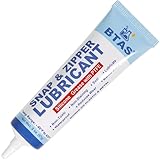
For a stuck slider, try rubbing graphite (pencil lead) or a dry lubricant like wax on the teeth. This dry zipper lubricant is a great option to keep your zippers running smoothly.
3. If the slider came off one side:
- What to do: Carefully feed the loose side of the zipper tape back into the slider. You might need to gently pry open the slider a tiny bit with needle-nose pliers, then crimp it back down once the tape is in.
- What “good” looks like: The slider is back on both zipper tapes and moves freely.
- Common mistake: Forcing it. If it’s not going in easily, something is probably misaligned.
You might need to gently pry open the slider a tiny bit with needle-nose pliers, then crimp it back down once the tape is in. These needle-nose pliers are perfect for delicate zipper work.

4. If teeth are bent:
- What to do: Use small needle-nose pliers to gently bend the teeth back into alignment. Work one tooth at a time.
- What “good” looks like: The teeth line up properly and the slider can pass over them.
- Common mistake: Bending too hard or breaking a tooth off. These pliers are for delicate work.
Use small needle-nose pliers to gently bend the teeth back into alignment. A good pair of needle-nose pliers is essential for this kind of precise repair.
5. If teeth are missing or the tape is torn:
- What to do: This is tougher. For a missing tooth or two, you might be able to get away with carefully sewing a few stitches across the gap to bridge it, but it’s not ideal. If the tape is badly torn, you’ll likely need a new zipper.
- What “good” looks like: The zipper functions, even if imperfectly.
- Common mistake: Ignoring the problem. A missing tooth means the zipper will keep separating.
6. If the slider itself is broken:
- What to do: You’ll need to replace the slider. You can buy zipper repair kits online or at outdoor gear stores. These usually come with a new slider and sometimes tools. You’ll need to remove the old slider (often by cutting a few stitches at the top) and then install the new one.
- What “good” looks like: A new slider is installed and zips the bag up.
- Common mistake: Trying to repair a broken slider. It’s usually not possible.
7. Test the repair:
- What to do: Slowly zip and unzip the entire length of the zipper. Check for any snags or catches.
- What “good” looks like: The zipper moves smoothly and stays closed.
- Common mistake: Only testing a small section. You need to ensure the whole thing works.
8. Reinforce (optional but smart):
- What to do: If you had to pry the slider open, consider adding a few small stitches around the slider to keep it from widening again.
- What “good” looks like: Added security for the slider.
- Common mistake: Thinking the repair is permanent without any reinforcement.
Common mistakes (and what happens if you ignore them)
| Mistake | What it causes | Fix |
|---|---|---|
| Forcing a stuck zipper | Bent slider, broken teeth, torn fabric | Gently work with lubricant. If broken, replace parts. |
| Using oil-based lubricants | Attracts dirt, stains fabric, can degrade tape | Use graphite, wax, or specific dry zipper lubricants. |
| Bending teeth too aggressively | Broken teeth, zipper separation | Use fine-tipped pliers and gentle pressure. Realignment is key, not brute force. |
| Ignoring missing teeth | Zipper continuously separates | This is a major structural failure. Needs slider replacement or potentially a new zipper. |
| Not checking road conditions | Getting stuck, vehicle damage, missed trip | Research roads, check weather, and know your vehicle’s capabilities. |
| Skipping LNT principles | Environmental damage, closed campsites, fines | Pack it in, pack it out. Minimize campfire impacts. Respect wildlife. |
| Relying solely on cell service | No help in emergencies | Carry a satellite communicator or PLB for remote areas. |
| Not testing the repair fully | Zipper fails again mid-trip | Zip and unzip the full length multiple times to ensure it’s working. |
| Not knowing the land manager | Violating rules, getting ticketed or fined | Check the official website for the specific park or forest you’re visiting. |
| Assuming good weather | Hypothermia, gear damage, dangerous conditions | Always check multiple forecasts and understand local weather patterns. |
| Not having a water/waste plan | Dehydration, illness, environmental contamination | Plan water sources, bring filtration/purification, and know how to properly dispose of waste. |
| Using the wrong tool for the job | Damaging the zipper or your gear | Needle-nose pliers for fine adjustments, not vice grips. A sewing needle for reinforcement. |
Decision rules (simple if/then)
- If the slider is just stiff, then try graphite or wax because these lubricants are safe for fabric and attract less dirt.
- If teeth are bent slightly, then use needle-nose pliers to gently realign them because forcing them will break them.
- If teeth are completely missing, then you’ll likely need a new slider or a full zipper replacement because the zipper cannot close properly.
- If the slider has come completely off one side, then carefully try to re-feed the tape into the slider because it’s a common issue that’s often fixable.
- If the fabric around the zipper is torn, then sew it carefully to reinforce it before trying to fix the slider because a weak fabric base will cause further damage.
- If you’re in the backcountry and the zipper fails completely, then try to temporarily close the bag with safety pins or cordage because staying warm is the priority.
- If you are unsure about the repair, then practice on an old piece of gear first because you don’t want to mess up your primary bag.
- If the zipper is a major component of your bag’s functionality (like a draft tube zipper), then consider professional repair or replacement because it’s critical for warmth.
- If you’re using a down bag and the zipper fails, then prioritize getting it repaired or replaced quickly because losing loft to the elements can be serious.
- If the zipper is completely corroded or damaged, then it’s probably time for a new zipper because some damage is beyond repair.
- If you’re on a long trip and the zipper fails, then try to find a local gear shop or outdoor outfitter because they might have parts or services.
- If the slider is still functional but the teeth are damaged, then try to clean and lubricate the teeth thoroughly before attempting any bending because dirt can cause stiffness.
FAQ
My sleeping bag zipper is stuck, what’s the first thing I should do?
Don’t yank it. Gently try rubbing a pencil lead (graphite) or a bit of wax on the teeth right in front of the slider. Then, try to ease it back and forth.
What if the slider came off one side of the zipper?
Carefully try to guide the zipper tape back into the slider. You might need to slightly open the slider with pliers, then crimp it back down once the tape is seated.
Can I really fix a missing tooth on my sleeping bag zipper?
Sometimes. For a single missing tooth, you might be able to sew a few stitches over the gap to bridge it, but it’s a temporary fix and the zipper may still separate.
Is it okay to use WD-40 on my zipper?
No, it’s generally not recommended. WD-40 can attract dirt and gunk up the zipper over time, and it can also stain your sleeping bag fabric. Stick to dry lubricants.
Stick to dry lubricants. This dry zipper lubricant is specifically designed for zippers and won’t attract dirt or stain your sleeping bag.
My sleeping bag is old, is it worth fixing the zipper?
If the bag is still in good shape otherwise and provides adequate warmth, then yes, fixing the zipper is usually worth it. A new bag can be expensive.
What if the zipper teeth are bent?
Use a small pair of needle-nose pliers to gently bend the teeth back into their original alignment. Work slowly and carefully.
Use a small pair of needle-nose pliers to gently bend the teeth back into their original alignment. These needle-nose pliers are ideal for careful adjustments.
How do I know if I need a whole new zipper?
If multiple teeth are missing, the zipper tape is badly frayed or torn, or the slider itself is broken and can’t be repaired, it’s likely time for a new zipper.
Where can I find a replacement zipper slider?
You can often find zipper repair kits at outdoor gear stores, fabric stores, or online retailers. These kits usually include a new slider and sometimes the tools you need.
What this page does NOT cover (and where to go next)
- Full zipper replacement: This guide focuses on field repairs. Replacing an entire zipper is a more involved sewing project.
- Specialized zipper types: Some high-end or technical sleeping bags might have unique zipper systems that require specific knowledge.
- Advanced fabric repair: If the sleeping bag fabric itself is severely damaged, that’s a different repair challenge.
- Down leakage: If your bag is losing down, that’s a separate issue from the zipper.
- Professional repair services: For complex issues or if you’re not comfortable doing it yourself, seek out gear repair specialists.

Camping Bob has spent over 20 years camping across the US — from BLM dispersed sites in the Southwest to KOA campgrounds in the Pacific Northwest. He writes practical, no-nonsense guides to help fellow campers get outdoors with confidence.