
Using a Guy Line Tensioner for Your Tent
Quick answer
- Guy line tensioners are crucial for a taut tent.
- They make adjusting tension easy, even in wind.
- Learn the basic knot and how to attach it.
- Practice before you hit the trail.
- Check your setup daily.
- Always have a backup.
For optimal tent stability, consider investing in reliable guy line tensioners. They make adjusting your tent’s tautness a breeze, even in challenging conditions.
What to check first (do this before you drive out)
Before you even think about setting up camp, a few things need to be squared away. This saves you headaches, and maybe even a damaged tent.
- Land manager / legality: Who’s in charge of this patch of dirt? Is it National Forest, BLM, a State Park, or private land? Know the rules. Some places have specific camping regulations or permit requirements. A quick look at the managing agency’s website is usually all it takes.
- Access/road conditions: Can your rig actually get there? Is it a paved road, a bumpy dirt track, or something that requires serious 4×4 chops and high clearance? Don’t get stuck miles from anywhere because you didn’t check the road report. Mud, snow, or washouts can change everything.
- Fire restrictions + weather + wind: This is a big one. Fire bans are common, and for good reason. Check current restrictions religiously. Also, look at the forecast. High winds can make or break a tent setup, and extreme temps mean you need to plan your layers and water.
- Water plan + waste plan (Leave No Trace): Where will you get water? Is there a reliable source, or do you need to pack it all in? And what about your waste? Pack it out, always. LNT principles are non-negotiable.
- Safety (wildlife, distance to help, comms): Know what critters might be around. Are bears a concern? Have bear spray and know how to use it. How far is the nearest ranger station or town? Cell service is usually spotty to non-existent. Let someone know your plans and expected return time.
Step-by-step (field workflow)
Alright, you’ve picked your spot, the weather’s decent, and you’re ready to get your shelter up. Here’s how to make sure those guy lines are doing their job.
1. Stake out the corners: Get your tent body set up and stake down the main corners.
- Good looks like: The tent floor is taut and wrinkle-free.
- Common mistake: Rushing this and leaving the floor saggy. This makes the whole tent unstable.
2. Attach guy lines to tent loops: Connect the guy lines to the designated loops on your tent fly.
- Good looks like: The lines are attached securely and ready to be extended.
- Common mistake: Forgetting to attach them before you stake the fly out. You’ll have to undo some work.
3. Locate anchor points: Find solid spots to anchor your guy lines – trees, rocks, or sturdy stakes.
- Good looks like: You have clear, solid anchor points that won’t pull out easily.
- Common mistake: Trying to stake into loose, sandy soil or small, weak rocks. They’ll just pull free.
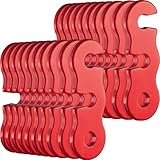
4. Thread the tensioner: Take the end of your guy line and thread it through the opening of the tensioner.
- Good looks like: The line passes through smoothly, ready for adjustment.
- Common mistake: Trying to tie the tensioner on without threading it. It won’t adjust.
5. Create a taut-line hitch (or similar): Secure the guy line to the anchor point using a knot that allows for adjustment. The taut-line hitch is your friend here.
- Good looks like: A secure knot that can be easily slid along the line to tighten or loosen.
- Common mistake: Using a knot that doesn’t adjust, like a simple overhand. You’ll have to re-tie it constantly.
6. Extend the guy line: Pull the guy line out from the tent at roughly a 45-degree angle.
- Good looks like: The line is extended to create tension and support the tent fly.
- Common mistake: Pulling it straight out or too close to the tent. This doesn’t provide optimal support.
7. Adjust tension with the tensioner: Slide the tensioner up or down the guy line to achieve the desired tautness.
- Good looks like: The tent fly is snug, with no flapping or sagging.
- Common mistake: Over-tightening. This can stress seams and poles.
8. Repeat for all lines: Do this for every guy line on your tent.
- Good looks like: The entire tent is stable, symmetrical, and ready for the elements.
- Common mistake: Leaving some lines loose while others are tight. This creates uneven stress.
9. Check and readjust: After setup, and periodically throughout your stay, check the tension.
- Good looks like: The tent remains taut even as temperatures change or wind picks up.
- Common mistake: Setting it and forgetting it. Temperature changes can cause lines to sag or become too tight.
When threading the tensioner, ensure it’s a high-quality model designed for easy adjustment. Good guy line tensioners are key to a secure setup.
Common mistakes (and what happens if you ignore them)
| Mistake | What it causes | Fix |
|---|---|---|
| Not using tensioners at all | Difficulty in adjusting line tension, leading to saggy or over-stressed tent | Use the tensioner to easily fine-tune line tightness. |
| Over-tightening guy lines | Stress on tent seams, poles, and fabric; potential damage to the tent | Gently tighten until taut, then stop. Leave a little give for temperature changes. |
| Under-tightening guy lines | Tent flaps in wind, reduced stability, potential water pooling | Adjust lines until snug and stable, ensuring the fly is taut. |
| Using the wrong knot for the anchor | Line can slip, leading to a loose tent or the line pulling free | Learn and use a reliable adjustable knot like the taut-line hitch. |
| Anchoring to weak points | Stakes pull out, or anchors fail, causing the tent to collapse or shift | Choose solid ground, rocks, or sturdy trees for your anchors. |
| Guy lines too close to the tent | Reduced structural support, less effective wind resistance | Extend guy lines outward at approximately a 45-degree angle from the tent. |
| Not checking tension throughout stay | Tent becomes saggy or too tight due to temperature/humidity fluctuations | Periodically check and adjust guy lines as needed, especially after significant weather changes. |
| Forgetting to bring tensioners | Makes field adjustments very difficult or impossible, requiring re-tying | Always pack your tensioners with your tent. They’re small and essential. |
| Not using tensioners on all lines | Uneven stress on the tent structure, leading to poor performance | Ensure every adjustable guy line has a tensioner and is properly adjusted. |
| Threading the line incorrectly | Tensioner won’t work or could slip, compromising the setup | Double-check that the line is threaded through the tensioner’s channel correctly. |
If you’re not using tensioners at all, you’re missing out on easy adjustments. Quality guy line tensioners are a small investment for significant stability.
Decision rules (simple if/then)
- If the wind is picking up, then tighten your guy lines because wind can cause a tent to flap and become unstable.
- If the temperature drops significantly overnight, then check your guy lines in the morning because fabric shrinks when it’s cold, making lines too tight.
- If you’re setting up on sandy soil, then use longer, wider stakes or natural anchors because regular stakes can pull out easily.
- If you’re in an area with heavy dew or rain expected, then ensure your guy lines are snug but not overly tight because a taut fly helps shed water effectively.
- If you’re using a freestanding tent, then still use your guy lines in windy conditions because they provide crucial stability beyond the tent’s self-supporting structure.
- If you’re in a crowded campground, then position your guy lines so they don’t create trip hazards for others because safety is paramount.
- If you notice a guy line is starting to sag, then adjust the tensioner immediately because a saggy line compromises the tent’s integrity.
- If you’re unsure about your knot, then practice it before your trip because a reliable knot is key to a secure setup.
- If you’re setting up in a storm, then prioritize getting the tent securely anchored quickly, and then fine-tune tension as needed because immediate stability is critical.
- If you’re camping for an extended period, then check your guy lines daily because constant exposure to the elements can loosen them.
- If your tent fly is flapping excessively, then your guy lines are likely too loose, so adjust them.
- If you’re using a new tent, then read the manufacturer’s instructions regarding guy line setup because some designs have specific requirements.
FAQ
What’s the easiest way to attach a guy line tensioner?
Thread the end of the guy line through the opening in the tensioner, then tie a secure, adjustable knot like a taut-line hitch to your anchor point.
Do I really need a tensioner, or can I just tie knots?
Tensioners make adjusting line tension incredibly simple and quick, especially in changing weather. You can tie knots, but it’s much more fiddly.
While you can technically tie knots, using dedicated guy line tensioners simplifies the process immensely. They offer quick, precise adjustments that knots can’t match.
How tight should my guy lines be?
They should be snug enough to eliminate flapping and pooling, but not so tight that they put excessive strain on your tent seams or poles. Think taut, not strained.
What if I lose my tensioner?
It’s a pain. You’ll have to rely on more complex knots that you can adjust, or re-tie lines frequently. Always pack spares.
When should I check my guy lines?
Always check them after initial setup, and then periodically throughout your stay, especially if the weather changes or overnight.
Can I use rocks as anchors instead of stakes?
Yes, if the rocks are large and stable, and you can secure the guy line around them effectively. Just make sure they won’t move.
What happens if my guy lines aren’t tight enough?
Your tent fly will flap in the wind, potentially making noise and reducing its effectiveness. Water can also pool on a saggy fly.
How do I prevent tripping over my guy lines?
Stake them out away from the tent’s footprint and consider using brightly colored lines or marking them with small flags if visibility is an issue.
What this page does NOT cover (and where to go next)
- Specific tent pole repair techniques.
- Advanced knot-tying for extreme conditions.
- Choosing the right tent for specific climates.
- Detailed Leave No Trace principles for all situations.
- Bear-proofing your campsite.

Camping Bob has spent over 20 years camping across the US — from BLM dispersed sites in the Southwest to KOA campgrounds in the Pacific Northwest. He writes practical, no-nonsense guides to help fellow campers get outdoors with confidence.