
Giardia from Backcountry Water: Symptoms, Treatment & Prevention
Giardia is a microscopic parasite that lives in backcountry streams, lakes, and even tap water in some regions. Symptoms usually appear 1 to 3 weeks after swallowing the parasite, but about one in three infected people never feel sick at all, which makes diagnosis tricky. If you have watery diarrhea, stomach cramps, and nausea after a backcountry trip, giardia is a likely suspect—and it is treatable with prescription medication.
What Is Giardia and How Do You Get It?
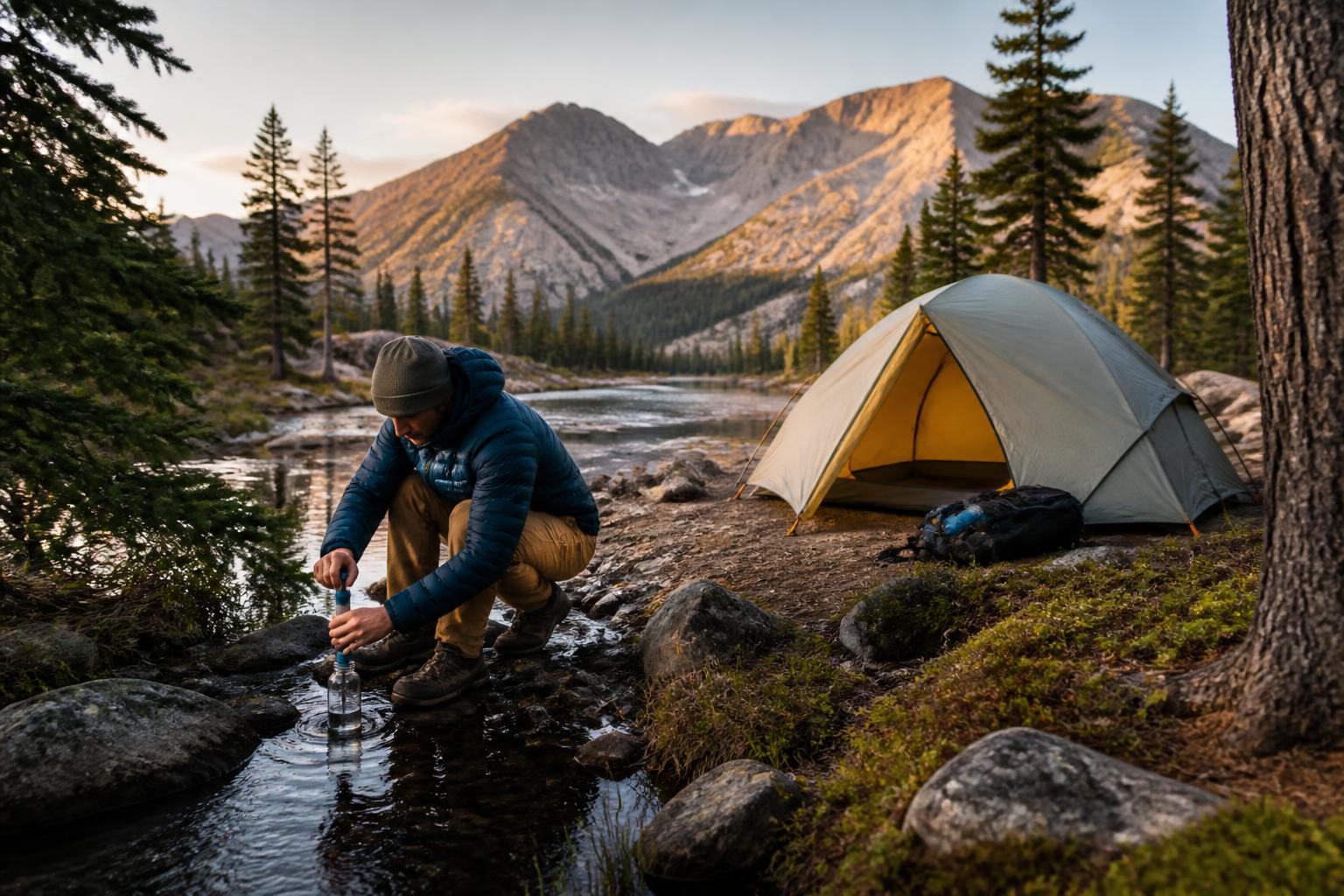
Giardia duodenalis (often called giardia or beaver fever) is a single-celled parasite that lives in the intestines of infected animals and humans. You get it by swallowing contaminated water, food, or by touching a surface that has giardia cysts and then touching your mouth. Backcountry hikers most commonly pick it up from untreated surface water.
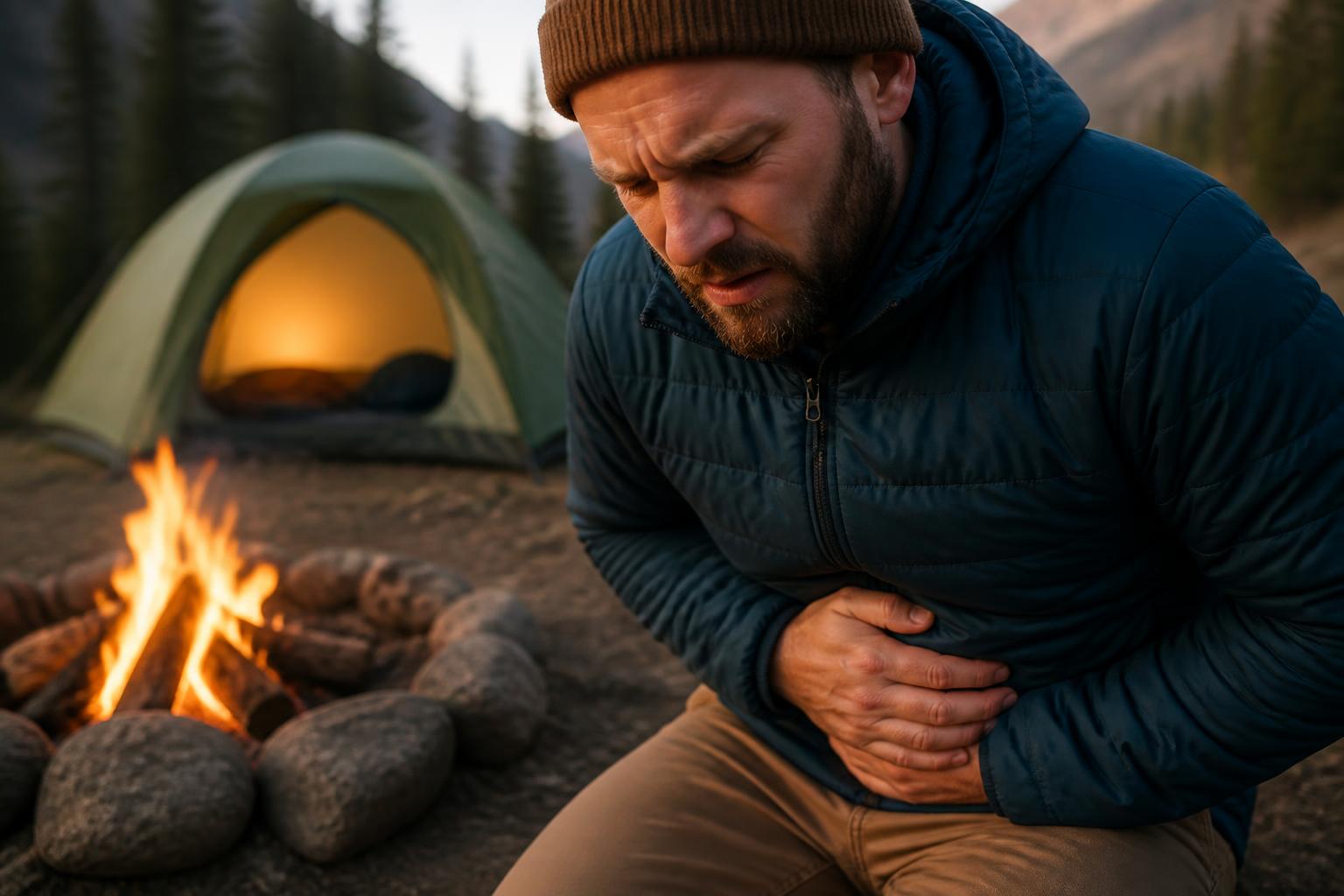
The cysts are surprisingly tough. They can survive for weeks in cold mountain streams, and a single sip of untreated water can deliver enough cysts to cause infection. Contrary to what many people assume, clear, fast-moving water is not automatically safe—giardia cysts are invisible to the naked eye.
Giardia Symptoms: What to Watch For
Symptoms do not always appear right away, and the range of possible reactions is wider than many people expect.
Common symptoms (appear 1–3 weeks after exposure):
– Watery or greasy diarrhea (often explosive)
– Stomach cramps and bloating
– Nausea and loss of appetite
– Fatigue and low-grade fever
Counter-intuitive fact: Giardia causes no symptoms at all in roughly one out of three infected people. That means you could carry and spread the parasite without ever feeling sick. Also, symptoms can start as early as 3 days or as late as 25 days after exposure, so do not rule out giardia just because it has been more than two weeks since your trip.
How to tell giardia apart from other stomach bugs: Giardia symptoms overlap heavily with norovirus and bacterial traveler’s diarrhea. The key clue is duration. Giardia symptoms typically last 2 to 6 weeks if untreated, while most viruses clear up in a few days. If your diarrhea drags on past day four or five after a backcountry trip, giardia moves to the top of the list.
When to See a Doctor
Not every case of giardia requires a trip to the ER, but you should see a healthcare provider if you experience any of the following:
– Diarrhea lasting more than 3 days
– Signs of dehydration (dark urine, dry mouth, dizziness when standing up)
– Blood in your stool
- Severe or worsening abdominal pain
- Recent backcountry water exposure that you have not mentioned to your doctor
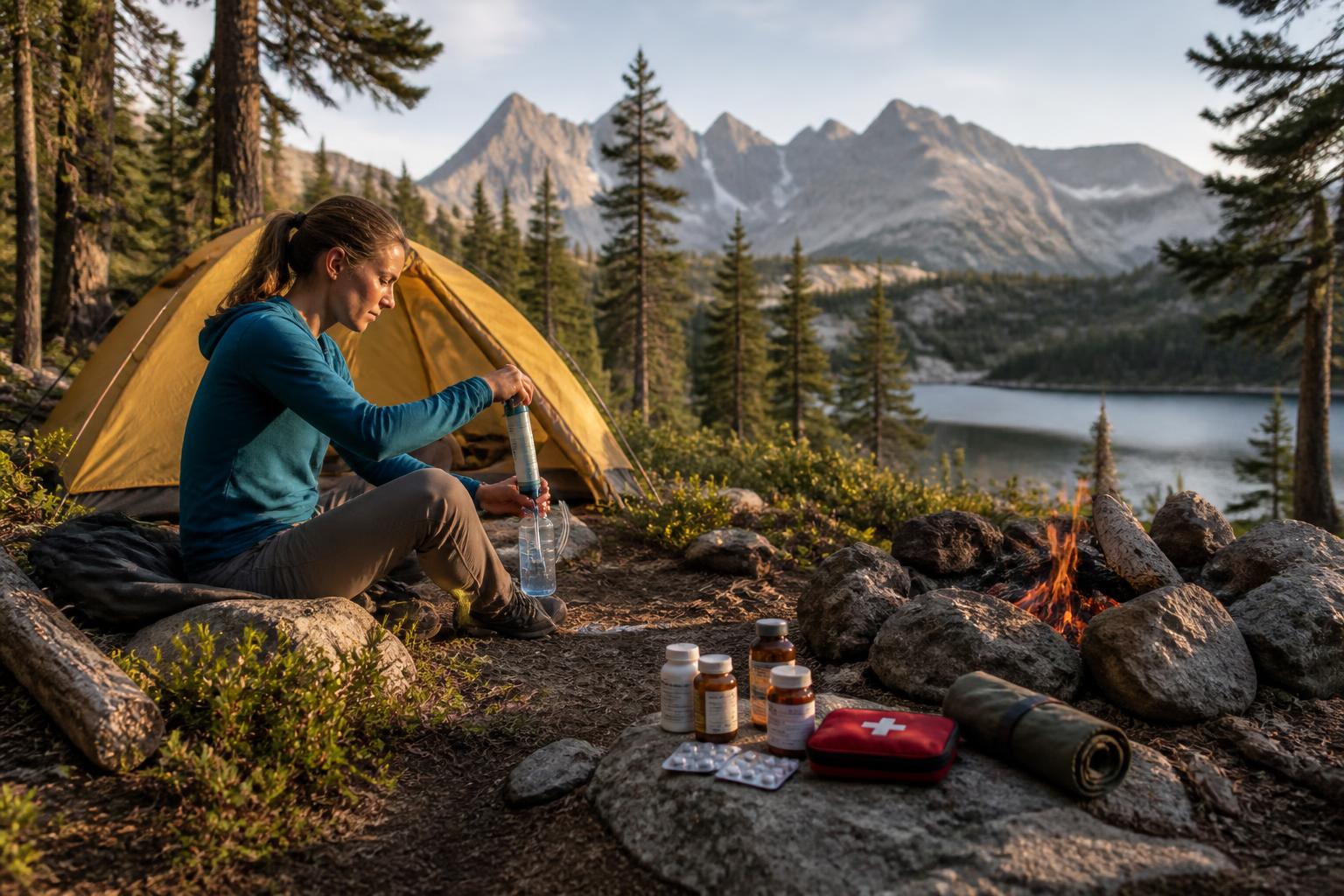
Your doctor will likely order a stool sample test before prescribing medication. Giardia is not a medical emergency for most healthy adults, but it can cause significant weight loss, dehydration, and malabsorption issues if ignored for weeks.
Treatment Options for Giardia
Giardia does not resolve on its own in most cases. Without treatment, symptoms can drag on for months and lead to chronic digestive problems.
Standard prescription medications:
| Medication | Typical Dosing | Common Side Effects |
|---|---|---|
| Tinidazole | Single dose | Metallic taste, mild nausea |
| Metronidazole | 5 to 7 days | Metallic taste, nausea, headache |
| Nitazoxanide | 3 days (liquid) | Stomach upset, mild diarrhea |
Tinidazole is generally preferred because a single dose is enough for most adults. Metronidazole works well but the longer course and metallic taste make it less popular. Nitazoxanide is often used for children because it comes in liquid form.
Over-the-counter anti-diarrheal medications (like loperamide) may help with symptom control but do not treat the infection itself. Avoid these if you have a high fever or bloody stool, as they can make certain infections worse.
Recovery timeline: Most people feel noticeably better within 2 to 3 days of starting the right medication. Complete clearance of the parasite takes about a week. If symptoms return after finishing treatment, follow up with your doctor—some giardia strains resist first-line drugs.
Preventing Giardia in the Backcountry
You cannot rely on how water looks or tastes. Clear mountain water can still contain giardia cysts. Always treat backcountry water before drinking.
| Method | What Works | Key Notes |
|---|---|---|
| Boiling | Rolling boil for 1 minute (3 minutes above 6,500 ft) | Kills 99.9% of cysts; no equipment needed |
| Microfilter | Pore size ≤ 1 micron absolute (look for NSF 53 or 58 rating) | Removes cysts but not viruses; good for most backcountry use |
| Chemical treatment | Chlorine dioxide tablets or drops (e.g., Katadyn Micropur) | Effective against giardia but slower (30 min to 4 hours); less reliable in cold or murky water |
| UV treatment | Handheld UV devices (e.g., SteriPEN) | Inactivates giardia quickly; requires clear water and working batteries |
Quick decision aid: Is your water safe today?
Go through this checklist before you drink from any backcountry source:
– [ ] Did I treat the water with boiling, a verified filter, UV, or chemical treatment for the full recommended time?
– [ ] If using a filter, is the pore size 1 micron absolute or smaller and was the filter recently maintained?
– [ ] If using chemical treatment, did I wait the correct contact time and double it if the water was cold or cloudy?
– [ ] Did I avoid drinking from sources near livestock, beaver dams, or active campsites?
– [ ] Did I wash my hands after handling untreated water and before eating?
– [ ] Did I clean my water bottle and hydration bladder thoroughly after each trip?
What to Do If You Think You Have Giardia
If you suspect giardia after a backcountry trip, follow this sequence to manage the situation safely.
- Assess your symptoms. If you have watery diarrhea lasting more than two days plus stomach cramps and a known exposure to untreated water, treat giardia as a real possibility.
- Stay ahead of dehydration. Drink clean water (treated or bottled) along with an electrolyte replacement solution. Aim for at least 8 to 10 cups of total fluid per day while diarrhea is active.
- Protect the people around you. Giardia spreads easily. Wash your hands thoroughly after using the bathroom, and do not share food, utensils, or drinking vessels until you are cleared.
- See a doctor and request a stool test. Tell them you were in the backcountry and suspect giardia. Do not ask for standard antibiotics—giardia requires specific antiparasitic medication.
- Finish the full course of medication. Even if you feel better after two days, complete every dose to clear the infection completely. Stopping early can allow the parasite to hang on.
- Watch for a return of symptoms. Some strains resist first-line drugs. If diarrhea or cramps come back within two weeks of finishing treatment, follow up with your doctor.
Stop point: If you cannot keep any fluids down, feel faint or dizzy when standing, or have bloody diarrhea, go to urgent care or the emergency room. Dehydration is the main serious risk from giardia, and you may need intravenous fluids.
FAQs About Giardia Symptoms and Treatment
Can giardia go away without medication?
Rarely, but it can take months and may lead to chronic digestive issues like lactose intolerance or malabsorption. Treatment is recommended to end symptoms sooner and reduce the chance of spreading the parasite to others.
How long after treatment will I feel better?
Most people see major improvement within 2 to 3 days of starting medication. Full recovery of energy and normal appetite may take 1 to 2 weeks, especially if you lost weight or became dehydrated.
Do I need to boil water every time I camp?
Not if you carry an NSF-certified filter with a 1-micron absolute rating or a chemical disinfectant labeled for giardia. Boiling is the most reliable method and the right choice at high altitude or with cloudy water, but it is not the only option.

Camping Bob has spent over 20 years camping across the US — from BLM dispersed sites in the Southwest to KOA campgrounds in the Pacific Northwest. He writes practical, no-nonsense guides to help fellow campers get outdoors with confidence.