
Troubleshooting Common Lighter Issues
Quick answer
- Check the fuel level. Most lighters run out of juice.
- Clean the flint and spark wheel. Grit is the enemy.
- Adjust the flame height if it’s too high or low.
- Replace the flint if it’s worn down to nothing.
- Ensure the fuel cap is on tight. A loose cap leaks.
- If it’s a butane lighter, let it warm up in your hand. Cold fuel doesn’t vaporize well.
What to check first (do this before you drive out)
Before you head out on your trip, and especially if you’re relying on a lighter for campfires or stoves, give it a once-over. A little prep saves a lot of frustration.
- Fuel Level: Is there fuel in it? This sounds obvious, but I’ve definitely grabbed a lighter that looked full but was bone dry. Hold it up to the light. If you can’t see any liquid or it feels super light, it’s probably empty.
- Flint and Spark Wheel: Look at the flint. Is it a nub or still has some material left? Spin the wheel. Does it catch the flint and create sparks? If it’s all gunked up, a little brush can clear it.
- Windscreen/Shield (if applicable): If your lighter has a windscreen, make sure it’s not bent or blocked. This is crucial for outdoor use.
- Butane Lighter Specifics: For those fancy butane torches, check the tank valve. Is it open? Also, is the nozzle clear? Sometimes a tiny bit of debris can clog it.
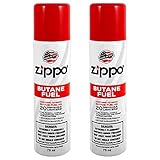
If your butane lighter is empty, a high-quality butane refill canister will get it working again.
Step-by-step (field workflow)
Let’s get this thing sparking.
1. Inspect the Lighter: Grab it. Look it over. Is anything obviously broken? Is there a crack in the casing?
- Good: The lighter looks intact, no visible damage.
- Mistake: Ignoring a cracked casing. It could lead to fuel leaks or further damage.
2. Check Fuel: Hold it up to a light source. Can you see fuel inside?
- Good: You see a visible fuel level.
- Mistake: Assuming it’s full just because it looks like it might be. Always verify.
3. Spin the Spark Wheel: Flick the wheel with your thumb.
- Good: It spins freely and creates a shower of sparks.
- Mistake: Trying to force a stiff wheel. It might be jammed with debris.
4. Examine the Flint: Look closely at the tip of the flint. Is it worn down to a tiny stub?
- Good: There’s still a decent amount of flint material left to scrape against.
- Mistake: Thinking a nearly gone flint will still spark reliably.
5. Clean the Spark Wheel and Flint Area: Use a small brush (an old toothbrush works) or a dry cloth to gently clean any grit or residue from the wheel and the flint housing.
- Good: The wheel spins cleanly, and the flint area is clear.
- Mistake: Using a wet cloth. Moisture can make things worse.
6. Test Spark Again: Flick the wheel after cleaning.
- Good: You get a strong spark.
- Mistake: If still no spark, the flint is likely the issue.
7. Replace Flint (if needed): If the flint is gone, carefully remove the old one and insert a new one. Most lighters have a screw holding the flint spring in place.
- Good: New flint is seated correctly and makes contact with the wheel.
- Mistake: Over-tightening the flint screw, which can damage the spring.
8. Check Fuel Flow (Butane): For butane lighters, gently press the button. You should hear a slight hiss.
- Good: A faint hiss indicates fuel is present and ready to vaporize.
- Mistake: Pressing too hard or too long, wasting fuel.
9. Adjust Flame Height: If your lighter has an adjustment screw, use a small screwdriver to tweak the flame.
- Good: The flame is a steady, manageable size.
- Mistake: Leaving the flame too high, which is wasteful and dangerous.
10. Warm it Up (Cold Weather): If it’s cold out, cup the lighter in your hands for a minute.
- Good: The lighter feels warm and sparks reliably.
- Mistake: Trying to light it immediately in freezing temps. Fuel needs to vaporize.
11. Secure the Cap: Make sure any protective cap or lid is firmly closed when not in use.
- Good: The cap clicks or snaps securely into place.
- Mistake: Leaving the cap off, allowing fuel to evaporate or debris to enter.
If your flint is worn down, a lighter repair kit often includes replacement flints and other essential parts to get your lighter sparking like new.

Common mistakes (and what happens if you ignore them)
| Mistake | What it causes | Fix |
|---|---|---|
| Not checking fuel level | Lighter won’t light, frustrating you | Hold it up to the light; refill or replace. |
| Ignoring a worn-down flint | Weak or no spark, leading to no flame | Replace the flint. |
| Not cleaning grit from the spark wheel | Wheel won’t spin, or sparks are weak | Brush out debris. |
| Using a wet lighter in cold weather | Fuel won’t vaporize, no flame | Warm it up in your hands before attempting to light. |
| Forcing a stuck spark wheel | Can break the wheel or damage the mechanism | Gently clean around it; if still stuck, it might need professional help. |
| Leaving the fuel cap loose or off | Fuel evaporates quickly, can leak | Ensure the cap is secure. |
| Over-tightening the flint screw | Damages the flint spring, leading to poor spark | Tighten just enough to hold the flint in place. |
| Using the wrong type of fuel (e.g., Zippo fluid in a butane lighter) | Can damage the lighter or cause it not to work properly | Use only the fuel specified for your lighter type. |
| Not letting a new lighter “settle” | Can cause sputtering or inconsistent flame | Let it sit upright for a few minutes after filling. |
Decision rules (simple if/then)
- If you hold the lighter up to the light and see no fuel, then refill it because it’s empty.
- If the spark wheel spins but produces no sparks, then the flint is likely worn out or misaligned because it needs to scrape against the flint.
- If you get sparks but no flame, then the fuel supply is probably blocked or the lighter is out of fuel because the fuel isn’t reaching the spark.
- If the flame is too high and flickers wildly, then adjust the flame height down because it’s a waste of fuel and potentially dangerous.
- If the lighter only sparks in a specific orientation, then the flint might be loose or the wheel is damaged because consistent contact is key.
- If the lighter feels cold and won’t light, then warm it in your hands because cold butane vaporizes poorly.
- If you hear a hiss but no ignition, then the fuel is present but not igniting, possibly due to a dirty spark mechanism or insufficient fuel vapor.
- If the lighter leaks fuel, then check the seals and cap immediately because it’s a safety hazard.
- If the lighter worked yesterday but not today, then re-check the fuel and flint first because those are the most common culprits.
- If the lighter looks physically damaged, then proceed with caution and consider replacing it because structural integrity is important.
If your lighter is out of fuel, a reliable butane refill canister is exactly what you need to get it back in action.
FAQ
My lighter just won’t spark. What’s the first thing I should do?
Check the flint. It’s the most common reason for a lack of spark. If it’s worn down to nothing, it can’t create friction.
I can see fuel, but it still won’t light. What gives?
Make sure the spark wheel is clean and spinning freely. Grit can prevent a good spark, or the fuel might not be vaporizing properly if it’s very cold.
Is it normal for my lighter to run out of fuel quickly?
It depends on how much you use it and the type of lighter. Refillable ones are designed to be topped up. Disposable ones are just that – disposable when empty.
My butane torch lighter is sputtering. What’s wrong?
Often, it’s just cold. Try warming it up in your hands. If that doesn’t work, the fuel might be low, or there could be a tiny clog in the nozzle.
How often should I replace the flint?
There’s no set schedule. Replace it when you notice weak sparks or no sparks at all. You’ll see it wear down over time.
Can I refill any lighter?
Most classic refillable lighters (like Zippos) can be refilled. Many cheap disposable lighters are not designed to be refilled and can be damaged if you try.
What’s the deal with different fuels?
Butane is for torch lighters and many modern pocket lighters. Lighter fluid (naphtha-based) is for older-style fluid lighters. Using the wrong fuel can ruin your lighter.
What this page does NOT cover (and where to go next)
- Detailed repair guides for specific lighter models.
- Where to buy replacement parts.
- Advanced fuel system diagnostics.
- Modifying lighters for unique purposes.
- The history of lighter technology.

Camping Bob has spent over 20 years camping across the US — from BLM dispersed sites in the Southwest to KOA campgrounds in the Pacific Northwest. He writes practical, no-nonsense guides to help fellow campers get outdoors with confidence.