
What to Expect for Sleeping Bag Prices
Quick answer
- Sleeping bags range from $30 for basic models to over $600 for high-performance expedition bags.
- Temperature rating is the biggest price driver. Colder ratings cost more.
- Down insulation is generally more expensive than synthetic but offers better warmth-to-weight.
- Brand reputation and features like zippers, draft collars, and shape add to the cost.
- For car camping in mild weather, expect $50-$150. Backpacking in cooler temps might push you to $200-$400.
- Don’t buy a bag rated for temps you won’t encounter. It’s a waste of money and adds bulk.
What to check first (do this before you drive out)
Before you even think about dropping cash on a sleeping bag, you gotta get a few things straight. This isn’t just about knowing how much a sleeping bag is, but how much your sleeping bag should be.
- Your Trip Type & Temps: This is rule number one. Are you car camping in July in the desert? Or are you aiming for shoulder season in the Rockies? Your planned adventures dictate the temperature rating you need. A bag rated for 0°F is overkill for a summer trip and will cost you more than you need. Conversely, a 50°F bag will leave you shivering on a chilly fall night. Think about the coldest temps you realistically expect.
- Insulation Type: Down or synthetic? Down is lighter, more compressible, and insulates better when dry. But it’s pricey and loses its loft (and warmth) when wet. Synthetics are cheaper, handle moisture better, and are easier to clean, but they’re heavier and bulkier for the same warmth. For casual camping, synthetic is often fine. For serious backpacking where weight and space matter, down is usually the way to go, if your budget allows.
- Features & Fit: Does it have a good zipper? A draft collar to seal out cold? A hood that cinches down? These things matter for comfort and warmth. Also, consider the shape. Mummy bags are warmer but can feel restrictive. Rectangular bags are roomier but less efficient at trapping heat. Try to get a feel for it if you can. Some brands offer different lengths and widths too.
- Your Budget: Be honest. You can find a decent bag for under $100 for occasional use. If you’re getting serious about backpacking or winter camping, you’ll likely need to spend more. Set a realistic budget based on your needs.
Step-by-step (field workflow)
Alright, so you’ve decided you need a sleeping bag. Here’s how to navigate the shopping process without getting fleeced.
1. Define your primary use case.
- What to do: Figure out where and when you’ll be using the bag most. Car camping? Backpacking? Three-season or four-season?
- What “good” looks like: You can clearly picture your typical camping scenario. “Mostly car camping in summer, maybe a few cool fall nights.”
- Common mistake: Buying a super-light, expensive bag for casual car camping. It’s overkill and won’t get used as much as a more comfortable, albeit heavier, option. Avoid this by being honest about your actual use.
2. Determine your minimum temperature rating.
- What to do: Research the average nighttime lows for your most common or coldest planned trips. Add a buffer of 10-15°F for safety.
- What “good” looks like: You have a target temperature range, like “I need a bag comfortable down to 20°F.”
- Common mistake: Buying a bag rated for the daytime high or the average temperature. This leads to cold nights. Always go colder than you think you need.
3. Choose your insulation type (down vs. synthetic).
- What to do: Weigh the pros and cons based on your budget, climate, and how you pack.
- What “good” looks like: You understand why down is pricier but lighter, and why synthetic is more forgiving in damp conditions.
- Common mistake: Assuming down is always better. If you’re prone to getting your gear wet or are on a tight budget, synthetic might be the smarter choice.
4. Research reputable brands.
- What to do: Look at brands known for quality outdoor gear. Think REI Co-op, Marmot, Kelty, Big Agnes, Nemo, Feathered Friends (for the high-end).
- What “good” looks like: You have a shortlist of brands that align with your needs and budget.
- Common mistake: Buying the cheapest bag from an unknown online seller. You might save a few bucks upfront, but the quality and durability are often questionable. Stick with established names.
5. Compare specific models within your chosen category.
- What to do: Look at bags with your target temp rating and insulation type from your preferred brands. Check features.
- What “good” looks like: You’re comparing 2-3 specific bags, noting their weights, packed sizes, and features.
- Common mistake: Getting overwhelmed by too many options. Narrow it down by your core requirements first.
6. Read reviews (but take them with a grain of salt).
- What to do: Look for reviews from people who camp in similar conditions to yours. Pay attention to comments about warmth, durability, and zipper function.
- What “good” looks like: You’ve seen consistent feedback on a particular bag’s strengths and weaknesses.
- Common mistake: Relying solely on star ratings. A 4-star review might be from someone who only used it once in ideal weather. Dig into the details.
7. Consider the “fill power” for down bags.
- What to do: Higher fill power (e.g., 800+) means better warmth-to-weight ratio and compressibility. Lower fill power (e.g., 600) is cheaper but heavier and bulkier.
- What “good” looks like: You understand that 800 fill down is lighter and packs smaller than 600 fill down for the same warmth.
- Common mistake: Not understanding fill power and paying a premium for features you don’t need, or getting a heavier bag than necessary.
8. Check the packed size and weight.
- What to do: If you’re backpacking, this is critical. Look at the “stuff sack volume” or dimensions when compressed.
- What “good” looks like: The bag fits comfortably in your pack without taking up all the space.
- Common mistake: Buying a bag that’s too bulky for your pack. You’ll regret it on the trail.
9. Factor in your body temperature.
- What to do: Are you a “hot sleeper” or a “cold sleeper”? Adjust your temperature rating accordingly. Cold sleepers might need a bag rated 5-10°F warmer.
- What “good” looks like: You’ve accounted for your personal body temperature regulation.
- Common mistake: Buying a bag based purely on the manufacturer’s rating without considering your own body’s tendencies.
10. Look for sales and consider used gear.
- What to do: Gear sales happen often, especially around holidays. Used gear from reputable sources can be a great deal.
- What “good” looks like: You snagged a quality bag at a discount.
- Common mistake: Paying full retail price when a sale is just around the corner, or buying used down without checking for odors or damage.
Common mistakes (and what happens if you ignore them)
| Mistake | What it causes | Fix |
|---|---|---|
| Buying a bag too warm for your climate | Overheating, sweating, waking up in a damp bag, wasted money on features you don’t need. | Buy a bag with a temperature rating appropriate for the <em>coldest</em> conditions you expect, plus a buffer. |
| Buying a bag too cold for your climate | Shivering all night, poor sleep, risk of hypothermia in extreme cases, feeling miserable. | Always check average nighttime lows for your intended destinations and choose a bag rated at least 10-15°F colder. |
| Ignoring insulation type (down vs. synthetic) | Paying a premium for down that gets wet and useless, or buying a heavy, bulky synthetic bag for ultralight backpacking. | Understand the trade-offs: down is lighter/warmer when dry but expensive and poor when wet; synthetic is cheaper/better when wet but heavier/bulkier. |
| Not checking packed size/weight | A bag that won’t fit in your backpack, forcing you to strap it externally (where it can get wet) or leave essential gear behind. | For backpacking, prioritize lightweight and compressible bags. Always check the “packed volume” specification. |
| Getting the wrong shape (mummy vs. rectangular) | Feeling claustrophobic in a mummy bag, or being too cold in a roomy rectangular bag that lets too much air circulate. | Mummy bags are warmer but snug. Rectangular bags are roomy but less efficient. Choose based on your comfort preference and warmth needs. |
| Relying only on manufacturer’s temp rating | Discovering the bag is too cold because you’re a “cold sleeper” or the rating is based on ideal conditions. | Adjust the rating based on your personal body temperature tendencies (add 5-10°F if you sleep cold) and consider the “comfort” rating if available, not just the “limit” or “extreme.” |
| Buying the cheapest option without research | A bag that rips easily, has faulty zippers, clumps up after a few uses, or simply doesn’t keep you warm enough. | Invest in a reputable brand. Even their entry-level bags are usually far superior to generic, unbranded options. |
| Not considering features like draft collars | Cold air seeping in around the zipper, making the bag less effective and leaving you chilly even if the insulation is decent. | Look for features like a full-length draft tube along the zipper and a cinching hood to seal in warmth. |
| Not accounting for sleep system | Thinking the sleeping bag is the <em>only</em> thing keeping you warm. A good sleeping pad is crucial for insulation from the ground. | Remember that your sleeping pad insulates you from the cold ground. A bag’s rating is less effective without adequate pad R-value. |
Decision rules (simple if/then)
- If your budget is under $100, then look for synthetic insulated bags with a comfort rating around 30°F for three-season camping, because you’ll get the best bang for your buck.
- If you’re a serious backpacker needing to save weight and space, then prioritize down insulation with a fill power of 700 or higher, because it offers the best warmth-to-weight ratio.
- If you plan to camp in consistently damp or rainy environments, then consider synthetic insulation, because it performs much better than down when wet.
- If you tend to sleep very cold, then choose a bag with a temperature rating 5-10°F warmer than the lowest expected temperature, because you’ll need that extra buffer.
- If you’re primarily car camping and prioritize comfort over weight, then a rectangular or semi-rectangular bag might be a good choice, because they offer more freedom of movement.
- If you’re buying a down bag and budget is a concern, then look for fill power in the 600-650 range, because it’s more affordable than higher fill powers while still offering good insulation.
- If you’re looking for a versatile three-season bag for general use, then aim for a temperature rating between 15°F and 30°F, because this covers a wide range of conditions.
- If you’re buying a bag for extreme cold (0°F or below), then expect to invest $400+, because the specialized insulation and construction are expensive.
- If you want to maximize warmth and minimize weight for winter backpacking, then a mummy-style bag with a good draft collar and hood is essential, because it seals in heat effectively.
- If you’re unsure about your exact needs, then start with a reputable brand’s mid-range synthetic bag rated for 20-30°F, because it’s a versatile and forgiving option for many scenarios.
- If you’re buying a bag for a child, then look for bags specifically designed for youth or consider a bag with extra length that can be cinched down, because kids lose heat faster and a bag that’s too big is less effective.
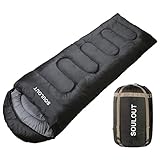
For a versatile option, consider a reliable three-season sleeping bag that balances warmth and packability for various conditions.
FAQ
Q: How much does a cheap sleeping bag cost?
A: You can find basic synthetic sleeping bags for around $30-$50. These are generally suitable for warm summer nights and casual car camping. They won’t be super durable or warm, though.
Q: What’s a reasonable price for a good backpacking sleeping bag?
A: For a quality three-season backpacking bag, expect to spend anywhere from $200 to $400. This range usually gets you a good balance of weight, warmth, and compressibility, often with down insulation.
If you’re looking for the ultimate in warmth-to-weight ratio, a quality down sleeping bag is an excellent investment for serious backpackers.

Q: Is down insulation always better than synthetic?
A: Not necessarily. Down is lighter, more compressible, and warmer for its weight when dry. However, synthetic is cheaper, handles moisture better, and is easier to care for, making it a great choice for many campers.
Q: How important is the temperature rating?
A: It’s critical. The temperature rating indicates the lowest temperature at which the bag is designed to keep an average sleeper warm. Always choose a bag rated for colder temps than you anticipate.
Q: What does “fill power” mean for down bags?
A: Fill power (like 650, 800, or 900) measures the loft or fluffiness of the down. Higher fill power means more trapped air, better insulation for the weight, and better compressibility.
Q: Can I use a sleeping bag that’s too warm?
A: Yes, you can. It will just be bulkier and heavier than you need, and you might overheat. It’s better to have a bag that’s slightly too warm and vent it than one that’s too cold.
Q: Are there ways to save money on sleeping bags?
A: Absolutely. Look for end-of-season sales, holiday promotions, or consider buying reputable used gear. Sometimes last year’s models are heavily discounted.
Q: What’s the difference between “comfort” and “limit” temperature ratings?
A: The “comfort” rating is for women or average sleepers, while the “limit” rating is for men or cold sleepers. It’s always best to err on the side of caution and consider the comfort rating if you sleep cold.
Q: How much should I expect to spend on a winter sleeping bag?
A: For a bag rated 0°F or below, you’re looking at a significant investment, typically $400 to $800 or even more, due to the amount and quality of insulation required.
What this page does NOT cover (and where to go next)
- Specific campsite booking procedures and fees.
- Detailed reviews of individual sleeping bag models.
- How to repair or clean your sleeping bag.
- The best sleeping pads for insulation.
- Advanced winter camping techniques and gear selection.

Camping Bob has spent over 20 years camping across the US — from BLM dispersed sites in the Southwest to KOA campgrounds in the Pacific Northwest. He writes practical, no-nonsense guides to help fellow campers get outdoors with confidence.