
Washing Your Synthetic Sleeping Bag: Proper Care
Quick answer
- Use a front-loading or top-loading washing machine without an agitator.
- Use a mild, down-specific or technical cleaner, not regular detergent.
- Wash on a gentle cycle with cold or warm water.
- Rinse thoroughly, at least twice, to remove all soap.
- Tumble dry on low heat with clean tennis balls or dryer balls.
- Be patient; drying can take a while.
What to check first (do this before you drive out)
Before you even think about stuffing that synthetic bag into the wash, let’s get a few things straight. This isn’t rocket science, but a little prep goes a long way to keeping your bag warm and fluffy for years.
- Manufacturer’s Instructions: Seriously, dig out that tag or find the PDF online. They know their bag best. What works for one might not be ideal for another. It’s the first and most important step.
- Machine Compatibility: Most synthetic bags do well in modern machines. But if you’ve got one of those old-school top-loaders with a giant spindle in the middle? Skip it. That thing can snag and tear your bag. A front-loader or a top-loader without an agitator is your friend here.
- Cleaner Choice: Regular laundry detergent is a no-go. It’s too harsh and can strip the water-repellent coatings on your bag’s shell. You need something specific. Think technical wash solutions or mild, down-specific cleaners (yes, even for synthetics – they’re gentle enough).
For the best results, consider using a specialized cleaner like Nikwax Tech Wash to protect your bag’s performance.

- Inspect for Damage: Give your bag a quick once-over. Any rips, tears, or loose seams? Mend them before washing. A small hole can become a big problem in the wash cycle.
Step-by-step (field workflow)
Alright, let’s get this bag clean. It’s pretty straightforward, but paying attention to the details keeps your bag performing like new.
1. Prep the Bag: Empty all pockets. Zip it up completely. This prevents snagging and keeps the zipper from getting damaged.
- Good looks like: A fully zipped, clean bag.
- Common mistake: Leaving pockets stuffed with snacks or a headlamp. This can damage the bag or the machine. Always empty it out.
2. Load the Machine: Place the sleeping bag loosely in the drum. Don’t cram it in. If it’s too tight, it won’t get properly cleaned or rinsed.
- Good looks like: The bag taking up about half the drum, with room to move.
- Common mistake: Stuffing multiple bags or other items in with the sleeping bag. This leads to poor cleaning and rinsing. Wash one bag at a time.
3. Add Cleaner: Pour in your technical cleaner according to the product’s instructions. Use the recommended amount. Too much soap is hard to rinse out.
- Good looks like: The right amount of cleaner for a single wash load.
- Common mistake: Using too much detergent, thinking it’ll get it cleaner. This causes excessive suds and rinsing issues. Stick to the dosage.
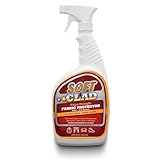
Ensure you’re using a high-quality sleeping bag cleaner, following its instructions carefully for optimal results.
4. Select Wash Cycle: Choose a gentle or delicate cycle. Use cold or warm water, never hot. Hot water can damage the synthetic insulation and coatings.
- Good looks like: A low-speed, gentle agitation.
- Common mistake: Opting for a heavy-duty or normal cycle. This can be too rough and damage the bag’s structure. Always go gentle.
5. Rinse Thoroughly: This is crucial. Run an extra rinse cycle. Some machines have a dedicated “extra rinse” option. If not, just manually select rinse and spin again.
- Good looks like: No suds visible when you open the machine after the final spin.
- Common mistake: Only doing one rinse cycle. Leftover detergent traps moisture and reduces loft. You want it squeaky clean.
6. Remove from Machine: Gently take the bag out. It’ll be heavy and wet. Don’t wring it out.
- Good looks like: Carefully supporting the bag’s weight as you remove it.
- Common mistake: Yanking the bag out by one end. This can stretch or tear the seams when it’s most vulnerable.
7. Start Drying: Transfer the bag to a large-capacity dryer. Add clean tennis balls or dryer balls. These help break up clumps of insulation and restore loft.
- Good looks like: The bag and balls tumbling freely.
- Common mistake: Drying without anything to agitate the insulation. This results in a clumpy, flat bag.
To help restore loft and prevent clumping, add a few dryer balls for laundry to the dryer with your sleeping bag.
8. Tumble Dry on Low: Set the dryer to the lowest heat setting possible, or even air fluff. High heat is the enemy of synthetic insulation.
- Good looks like: A gentle tumble with minimal heat.
- Common mistake: Using medium or high heat. This can melt or degrade the synthetic fibers. Patience is key.
9. Check and Continue Drying: Periodically stop the dryer to check the bag. Fluff it up by hand and break apart any remaining clumps. It can take several hours for a bag to dry completely.
- Good looks like: A bag that feels dry to the touch, with fluffy insulation throughout.
- Common mistake: Pulling the bag out too soon, thinking it’s dry. Damp insulation leads to mildew and poor performance. Keep drying until totally dry.
10. Final Inspection: Once dry, give it a good shake. Ensure the insulation is evenly distributed and there are no damp spots.
- Good looks like: A fully lofted, dry, and fresh-smelling bag.
- Common mistake: Storing a slightly damp bag. This invites mold and mildew, ruining your bag.
Common mistakes (and what happens if you ignore them)
| Mistake | What it causes | Fix |
|---|---|---|
| Using regular laundry detergent | Strips DWR coating, reduces water repellency, can leave residue. | Use technical cleaner or mild down wash. |
| Washing in a machine with an agitator | Tears, snags, and damage to the bag’s fabric and seams. | Use a front-loader or top-loader without an agitator. |
| Using hot water | Damages synthetic insulation, melts coatings, shrinks the bag. | Wash with cold or warm water only. |
| Not rinsing thoroughly | Detergent residue traps moisture, reduces loft, can cause mildew. | Run at least one extra rinse cycle. |
| Wringing out the wet bag | Stretches and tears seams when insulation is heavy and weak. | Gently squeeze out excess water, do not twist or wring. |
| Using high heat in the dryer | Melts or degrades synthetic insulation, damages fabric. | Always use low heat or air fluff. |
| Not using dryer balls/tennis balls | Insulation clumps, reduces loft, bag dries unevenly. | Add clean tennis balls or dryer balls to agitate insulation. |
| Not drying completely | Mildew, mold growth, reduced loft, unpleasant odor, damaged insulation. | Keep drying until 100% dry, check by hand and by smell. |
| Stuffing the bag too tightly in machine | Inadequate cleaning and rinsing, potential damage from overcrowding. | Wash one bag at a time, allowing room to move. |
| Not checking manufacturer’s instructions | Using incorrect methods that void warranty or damage the specific bag. | Always consult the care label or manufacturer’s website first. |
Decision rules (simple if/then)
- If your sleeping bag smells funky after a trip, then wash it because stale odors can lead to mildew if left untreated.
- If you can’t find the manufacturer’s care tag, then err on the side of caution and use the gentlest method possible because synthetics are generally forgiving but not indestructible.
- If your bag has a water-repellent coating that seems to be failing, then washing it with a technical cleaner might help restore some of that performance.
- If you see clumps of insulation after washing, then you likely didn’t rinse enough or need more dryer balls because even distribution is key to warmth.
- If your bag is heavily soiled with mud or campfire smoke, then a pre-soak with a technical cleaner might be necessary before the main wash.
- If you are unsure about your washing machine, then hand-washing in a large tub is a viable, albeit more labor-intensive, alternative.
- If you spilled something oily on your bag, then spot-treat it with a mild soap before washing the whole thing to prevent spreading the stain.
- If your bag feels damp after a full drying cycle, then keep it in the dryer on low heat or air fluff until completely dry because storing a damp bag is a recipe for disaster.
- If you use a down bag, then switch to a down-specific wash and follow its instructions precisely because down requires different care than synthetics.
- If you notice a tear during inspection, then repair it before washing to prevent it from getting larger.
- If your bag feels stiff or crunchy, then it likely has detergent residue, and you need to rinse it again.
FAQ
How often should I wash my synthetic sleeping bag?
You don’t need to wash it after every trip. Wash it when it starts to smell, looks visibly dirty, or its loft seems reduced. For most campers, this means once or twice a year, depending on usage.
Can I use fabric softener?
Absolutely not. Fabric softener coats the synthetic fibers, reducing their ability to wick moisture and trap heat. It’s the opposite of what you want in a sleeping bag.
What if my sleeping bag has a waterproof shell?
Many synthetic bags have DWR (durable water repellent) finishes. Harsh detergents can strip this. Always use a technical cleaner designed for outdoor gear to preserve these coatings.
Is hand-washing a good option?
Yes, hand-washing in a large tub or bathtub is a safe alternative if you don’t have a suitable machine. Just ensure you rinse thoroughly, as it’s harder to get all the soap out by hand.
My bag still smells after washing, what did I do wrong?
You probably didn’t rinse thoroughly enough, or you didn’t dry it completely. Leftover detergent or moisture are the main culprits for lingering odors. Repeat the rinse and drying process.
How can I revive the loft of my synthetic bag?
Proper washing and drying are key. The tennis balls in the dryer help a lot. If loft is permanently compressed from heavy use, it might be time for a new bag.
Do I need to do anything special before storing my bag?
Always store your synthetic sleeping bag loosely. Stuff it in a large mesh sack or hang it up. Never store it compressed in its compression sack, as this damages the insulation over time.
For long-term storage, consider using a spacious mesh laundry bag to allow your sleeping bag to breathe and maintain its loft.

What this page does NOT cover (and where to go next)
- Specific cleaning instructions for down sleeping bags (they require different care).
- Detailed repair techniques for significant rips or zipper replacements.
- How to properly store your sleeping bag long-term (hint: not compressed).
- Advanced techniques for removing stubborn stains like grease or blood.
- Choosing the right synthetic sleeping bag for your needs.