
Easy Steps to Refold Your Pop-Up Tent
Quick answer
- Practice at home before your trip. Seriously.
- Clear a large, flat space.
- Lay the tent flat, all poles extended.
- Find the hinge points and fold inwards.
- Twist and collapse into a disc.
- Secure with straps or a bag.
- Don’t force it; gentle persuasion is key.
What to check first (do this before you drive out)
Before you even think about packing, give your pop-up tent a quick once-over. This isn’t about setting it up, but understanding its collapse. It’s like checking your gear before a big hike – you don’t want surprises miles from anywhere.
Before you even think about packing, give your pop-up tent a quick once-over. If you’re in the market for a new one, consider this highly-rated pop-up tent for its ease of use.
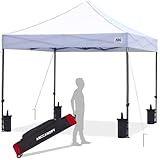
- Land manager / legality: Know who owns the land you’re camping on. Is it National Forest, BLM, State Park, or private? Each has its own rules, especially about campfires and where you can pitch your tent. Check the official page for the specific site/agency.
- Access/road conditions: Is the road to your campsite paved, gravel, or a rutted mess? Some pop-up tents are light, but getting to them can be the real challenge. Make sure your vehicle can handle it.
- Fire restrictions + weather + wind: This is critical. Check current fire bans. A sudden gust of wind can make setting up or taking down a pop-up tent a wrestling match. And rain? Makes everything harder. Check the forecast and be prepared for anything.
- Water plan + waste plan (Leave No Trace): Have a plan for where you’ll get clean water and, more importantly, where your waste goes. Pack it in, pack it out. Always. This applies to your tent too – don’t leave it behind.
- Safety (wildlife, distance to help, comms): Be aware of local wildlife. Know how far you are from any ranger station or help. And can you get cell service? For a pop-up, this might seem overkill, but it’s good camping practice.
Step-by-step (field workflow)
Folding a pop-up tent can feel like magic, but it’s just a few simple twists. The trick is understanding how it’s designed to collapse. It wants to go back into its disc shape. You just need to help it along.
1. Clear the area: Find a large, flat spot, free of rocks and debris. This gives you room to maneuver.
- Good looks like: Plenty of space to lay the tent out fully.
- Common mistake: Trying to fold it in a tight space, leading to snagged fabric or bent poles. Avoid this by picking your spot wisely.
2. Lay the tent flat: Unzip all doors and windows. Lay the tent out completely flat on the ground, with all the flexible poles extended.
- Good looks like: A flat, spread-out fabric structure.
- Common mistake: Leaving doors or vents zipped, which restricts movement and can cause the fabric to bunch up. Keep everything open.
3. Identify the ‘hinges’: Most pop-up tents have fiberglass poles that are connected. Find where these poles naturally want to bend or “hinge.” They are usually in the center of the tent’s structure.
- Good looks like: You can see the natural bend points in the pole system.
- Common mistake: Not understanding the pole structure, leading to trying to force a fold where it’s not designed to go. Look for the flex.
4. Fold one side inwards: Grab the tent fabric on one side, near what you identified as a hinge point. Fold that side inwards, towards the center of the tent.
- Good looks like: The fabric is starting to gather inwards, creating a natural curve.
- Common mistake: Folding too aggressively or in the wrong direction, which can kink the poles or tear the fabric. Gentle is the word.
5. Fold the opposite side inwards: Now, grab the fabric on the opposite side and fold it inwards, overlapping the first fold. The goal is to create two semi-circles that will nest together.
- Good looks like: You have two roughly equal halves that are ready to be brought together.
- Common mistake: Uneven folding, making it harder to get the final disc shape. Aim for symmetry.
6. Bring the two halves together: With both sides folded inwards, bring the two semi-circular edges together. They should naturally want to form a circle.
- Good looks like: The tent is now roughly disc-shaped, with the poles creating concentric rings.
- Common mistake: Not letting the poles flex properly, resulting in a lumpy, uneven shape instead of a neat disc. Let the poles do their thing.
7. Twist and collapse: This is the key step. Once the disc shape is formed, you’ll gently twist your wrists in opposite directions. This action collapses the tent into a smaller, more manageable disc.
- Good looks like: The tent folds down into a compact, flat disc.
- Common mistake: Forcing a twist that’s too hard or in the wrong way, potentially breaking poles. A smooth, controlled twist is best.
8. Secure the disc: Once collapsed, the tent will want to spring back. Use any attached straps, or the bag it came with, to secure the disc shape.
- Good looks like: The tent is held tightly in its disc form, ready for storage.
- Common mistake: Not securing it, leading to it popping open and making packing difficult. Straps are your friends.
Once collapsed, the tent will want to spring back. Use any attached straps, or the bag it came with, to secure the disc shape. If your original bag is worn, this durable pop up tent carrying bag is an excellent replacement.
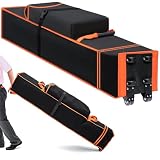
9. Pack it away: Place the secured disc into its storage bag.
- Good looks like: The tent fits easily back into its bag.
- Common mistake: Forcing a tent that isn’t folded correctly into its bag, which can damage the bag or the tent. A proper fold makes packing a breeze.
Common mistakes (and what happens if you ignore them)
| Mistake | What it causes | Fix |
|---|---|---|
| Trying to fold before clearing the space | Snagged fabric, bent poles, frustration. | Always find a large, flat, clear area first. |
| Not opening all doors and windows | Fabric bunches up, poles get twisted, harder to fold. | Ensure all openings are fully unzipped for maximum fabric flexibility. |
| Forcing a fold where it doesn’t want to go | Bent or broken fiberglass poles, ripped fabric, permanent damage. | Understand the tent’s natural flex points; don’t use brute force. |
| Folding unevenly | Lumpy disc, hard to secure, might not fit back in the bag. | Aim for symmetrical folds on both sides before bringing them together. |
| Not twisting correctly | Tent stays large, awkward to handle, difficult to pack. | Practice the gentle, opposite wrist twist; it’s the core of the collapse. |
| Not securing the collapsed disc | Tent springs open, difficult to pack, can get damaged in transit. | Use all available straps or ties to keep the disc shape tight. |
| Storing the tent while damp | Mold and mildew growth, foul odors, damaged fabric. | Always ensure the tent is completely dry before packing it away for storage. |
| Storing the tent in direct sunlight/heat | UV damage to fabric, material degradation, shortened lifespan. | Store in a cool, dry, dark place. |
| Packing a dirty tent | Attracts pests, can damage fabric over time, leaves a mess for the next user. | Brush off dirt and debris before folding and packing. |
| Not checking the tent after a trip | Small tears go unnoticed, minor damage becomes major. | Inspect for any damage after each use and repair promptly. |
Decision rules (simple if/then)
- If you’re new to pop-up tents, then practice at home before your trip because it’s way easier with no pressure.
- If the wind is gusting hard, then wait a few minutes or find a sheltered spot because fighting the wind is a losing battle.
- If you can’t get the tent to fold into a neat disc, then re-lay it flat and check the pole structure again because you might be missing a natural hinge point.
- If you find a tear in the fabric, then patch it immediately because small problems become big problems quickly.
- If the tent poles feel stiff, then check for dirt or debris caught in the joints because clean poles flex better.
- If you’re packing up in the rain, then do your best to shake off as much water as possible because storing a wet tent is asking for trouble.
- If the tent bag is torn, then repair or replace it because a good bag protects your tent.
- If you’re unsure about a specific folding technique, then look up a video for your exact tent model because seeing it done is often the best teacher.
- If the tent feels resistant to folding, then don’t force it because you risk breaking something.
- If you’re packing away for the season, then make sure it’s bone dry and stored somewhere cool and dark because longevity matters.
FAQ
How do I know if I have a pop-up tent?
Pop-up tents are designed to spring open instantly when released. They usually have flexible fiberglass poles that create a self-supporting structure and fold into a disc.
Pop-up tents are designed to spring open instantly when released. They usually have flexible fiberglass poles that create a self-supporting structure and fold into a disc. If you’re looking for a reliable option, check out this popular pop-up tent.
Can I really fold it by myself?
Absolutely. Most pop-up tents are designed for solo setup and takedown. It just takes a little practice to get the feel for the twists and turns.
What if my tent doesn’t look like a perfect disc when I’m done?
Don’t sweat it too much. As long as it’s relatively flat and secured, it’s fine. Perfection comes with practice. Minor lumps are usually okay.
My tent smells musty. What did I do wrong?
You probably packed it away damp. Always make sure your tent is completely dry before storing it, even if it means laying it out in the sun for a bit before you leave camp.
Are pop-up tents durable?
Generally, yes, for their intended use. They’re great for casual camping and festivals. For rugged backcountry trips, a more traditional tent might be a better choice.
What if a pole breaks?
Fiberglass tent poles can sometimes break. You can often find replacement pole sections at outdoor gear shops or online. It’s a good idea to carry a small repair kit.
How long should I expect a pop-up tent to last?
With proper care – keeping it dry, clean, and out of harsh UV light when stored – a good pop-up tent can last for many seasons of casual use.
Is there a trick to getting it back in the bag?
The trick is folding it correctly into a neat disc first. If it’s folded well, it should slide into its bag without a fight.
What this page does NOT cover (and where to go next)
- Specific repair techniques for damaged poles or fabric.
- Detailed comparisons of different pop-up tent brands and models.
- Advanced waterproofing or seam-sealing for older tents.
- Instructions for setting up a pop-up tent (that’s a different skill set).
- Information on tent stakes, guylines, and anchoring in extreme weather.

Camping Bob has spent over 20 years camping across the US — from BLM dispersed sites in the Southwest to KOA campgrounds in the Pacific Northwest. He writes practical, no-nonsense guides to help fellow campers get outdoors with confidence.