
Tips for Camping with Your Dog
Quick answer
- Know your dog’s limits. Not every trail or campground is dog-friendly.
- Pack extra water and food. Your dog needs more than you think.
- Leash laws are your friend. Keep your dog close to avoid trouble.
- Check for ticks and fleas daily. They love the wilderness as much as you do.
- Bring a first-aid kit for Fido. Accidents happen, be ready.
- Respect other campers. A barking dog can ruin a quiet trip for everyone.
- Leave No Trace means for your dog too. Pack out all waste.
What to check first (do this before you drive out)
Before you even think about packing the car, a little prep goes a long way. This isn’t just about you anymore; it’s about your four-legged buddy too.
- Land manager / legality: Who’s in charge here? Is it the US Forest Service (USFS), Bureau of Land Management (BLM), National Park Service (NPS), or a state park? Each has its own rules about dogs. Some national parks, for example, are super restrictive. Always check the specific land manager’s website or call ahead. Don’t assume dogs are welcome everywhere.
- Access/road conditions: How are you getting there? Is the road a smooth ride, or is it a bone-jarring, high-clearance-needed kind of deal? Your dog might be tough, but a rough ride can stress them out. If it’s a long drive, consider how your dog handles it. Mud, snow, or washouts can turn a fun trip into a stuck-in-the-mud disaster.
- Fire restrictions + weather + wind: This is crucial for everyone’s safety, including your pup. Check the current fire restrictions. A campfire is nice, but not if it’s illegal or dangerous. Look at the weather forecast – extreme heat or cold can be deadly for dogs. High winds can also spook animals or make camp uncomfortable.
- Water plan + waste plan (Leave No Trace): Dogs drink a ton of water, often more than you’d expect. Bring plenty, and have a plan for refilling if needed. For waste, it’s simple: pack it out. Don’t leave dog poop to decompose. It’s a no-no for Leave No Trace and can spread disease. Bring extra bags.
- Safety (wildlife, distance to help, comms): What kind of critters are in the area? Bears, coyotes, snakes – your dog might see them as a playmate, but they can be dangerous. Keep your dog leashed and close. How far is the nearest vet or human help? Make sure you have cell service or a satellite communicator if you’re going remote.
Step-by-step (field workflow)
Alright, you’ve done your homework. Now, let’s get this trip rolling smoothly with your furry co-pilot.
1. Pack the essentials for your dog:
- What to do: Gather dog food, water bowls, leash, collar with ID tags, waste bags, a dog bed or blanket, any medications, and a basic pet first-aid kit.
- What “good” looks like: Everything is organized and easily accessible. You have more than enough food and water.
- Common mistake: Forgetting something crucial like medication or enough poop bags.
- Avoid it: Make a dedicated dog packing list and check it twice.
2. Secure your dog for travel:
- What to do: Use a travel crate, a dog seatbelt, or a harness that attaches to the seatbelt.
- What “good” looks like: Your dog is safely secured and not a distraction.
- Common mistake: Letting your dog roam free in the car.
- Avoid it: This is a safety hazard for everyone. Invest in proper car restraints.
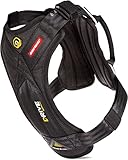
For safe travels, consider a reliable dog car seat belt harness to keep your furry friend secure. This helps prevent distractions and protects your dog in case of sudden stops.
3. Arrive and set up camp:
- What to do: Find a level spot and set up your tent. Keep your dog on a leash while you get organized.
- What “good” looks like: Your campsite is established with your dog leashed and observing.
- Common mistake: Letting your dog run loose immediately upon arrival.
- Avoid it: They might explore into unsafe areas or bother other campers. Keep them tethered until camp is set.
4. Establish a dog zone:
- What to do: Designate a spot for your dog’s bed or blanket, ideally inside or near the tent.
- What “good” looks like: Your dog has a comfortable, familiar space to relax.
- Common mistake: Not having a dedicated resting spot for your dog.
- Avoid it: They might end up on your sleeping bag or trying to sleep in the dirt.
5. Hydrate and feed:
- What to do: Offer water regularly and feed your dog their meals.
- What “good” looks like: Your dog is drinking and eating well, staying hydrated and fueled.
- Common mistake: Underestimating how much water your dog needs in the outdoors.
- Avoid it: Offer water frequently, especially after activity. Bring extra!
6. Leash management:
- What to do: Keep your dog on a leash at all times unless in a designated off-leash area (rare). Use a long lead if you need more freedom but still need control.
- What “good” looks like: Your dog is always within your sight and under control.
- Common mistake: Letting your dog off-leash “just for a minute.”
- Avoid it: This is how dogs get lost, encounter wildlife, or bother others. Stick to the rules.
7. Monitor for wildlife and hazards:
- What to do: Be vigilant for ticks, burrs, sharp objects, and local wildlife.
- What “good” looks like: You’re actively scanning your surroundings and your dog’s well-being.
- Common mistake: Getting too relaxed and not paying attention to your dog’s surroundings.
- Avoid it: A moment of inattention can lead to a bite, sting, or encounter with something dangerous.
8. Manage dog waste:
- What to do: Pick up all dog waste immediately and pack it out.
- What “good” looks like: Your campsite and surrounding areas are clean.
- Common mistake: Leaving dog waste behind, thinking it will “biodegrade.”
- Avoid it: It doesn’t biodegrade quickly enough, spreads germs, and is against Leave No Trace principles.
9. Evening routine:
- What to do: Settle your dog down for the night. Ensure they have water and are comfortable.
- What “good” looks like: A calm, settled dog ready for rest.
- Common mistake: Letting your dog bark excessively at night.
- Avoid it: This disturbs other campers and wildlife. Train your dog to be quiet at night or bring calming aids if needed.
10. Morning checks:
- What to do: Do a quick check for ticks, injuries, or any signs of distress.
- What “good” looks like: Your dog is healthy and ready for the day.
- Common mistake: Skipping the morning check.
- Avoid it: Early detection of issues is key to resolving them quickly.
Common mistakes (and what happens if you ignore them)
| Mistake | What it causes | Fix |
|---|---|---|
| Not checking dog-friendly status | Being turned away from a campground or trail; a stressful trip for everyone. | Always verify pet policies with the land manager before you go. |
| Insufficient water supply | Dehydration, heatstroke, serious health issues for your dog. | Pack at least double what you think you’ll need; know water sources and purification methods. |
| Ignoring leash laws | Dog gets lost, injured, fights with other animals, or bothers wildlife. | Keep your dog leashed at all times, unless in a clearly designated off-leash area. |
| Not packing out dog waste | Environmental damage, spread of disease, negative impact on other campers. | Always carry plenty of waste bags and pack out everything. |
| Underestimating travel stress | Motion sickness, anxiety, or exhaustion for your dog on long drives. | Acclimate your dog to car travel; use crates or restraints; plan for breaks. |
| Not bringing a pet first-aid kit | Inability to treat minor injuries or stabilize for vet care if needed. | Assemble a basic kit with bandages, antiseptic wipes, tweezers, and any personal pet meds. |
| Letting the dog bark uncontrollably | Disturbing other campers, wildlife, and creating a negative experience. | Train your dog for quietude; manage their stimulation; consider calming aids if necessary. |
| Not checking for ticks/parasites | Infestations, Lyme disease, or other tick-borne illnesses for your dog. | Inspect your dog daily, especially after hikes; use preventative treatments as recommended. |
| Assuming all trails are safe | Dog encounters dangerous plants, rough terrain, or aggressive wildlife. | Research trail difficulty and potential hazards; stick to known dog-friendly paths. |
| Not having ID tags or microchip info | Permanent separation if your dog gets lost and can’t be identified. | Ensure your dog wears up-to-date ID tags and that their microchip information is current. |
Decision rules (simple if/then)
- If the land manager is the National Park Service, then check their specific pet regulations because many national parks have very strict rules about dogs on trails and in campgrounds.
- If your dog is prone to anxiety, then bring familiar comfort items like a favorite blanket or toy because this can help them settle in a new environment.
- If you’re camping in bear country, then keep your dog on a short leash and never let them roam freely because they can attract or provoke dangerous wildlife.
- If the weather is extremely hot, then plan your hikes for cooler parts of the day and ensure constant access to shade and water because dogs are very susceptible to heatstroke.
- If you encounter another camper with a dog, then ask before approaching or letting your dogs interact because not all dogs are friendly or comfortable with new canine companions.
- If your dog has a medical condition, then consult your veterinarian before your trip and pack all necessary medications because camping can exacerbate existing health issues.
- If you plan on doing strenuous hikes, then assess your dog’s fitness level and physical condition beforehand because pushing them too hard can lead to injury or exhaustion.
- If you’re in an area with known venomous snakes, then keep your dog close and on a leash, and be aware of their surroundings because snake bites can be fatal.
- If your dog is not well-socialized, then consider a less crowded campground or stick to less popular trails because they might be overwhelmed by too many people or dogs.
- If you’re camping near a water source, then supervise your dog closely when they are swimming because strong currents or hidden obstacles can be dangerous.
- If you notice your dog is limping or showing signs of pain, then stop your activity immediately and assess the situation because it could be a minor injury or something more serious.
- If you’re unsure about a specific rule, then err on the side of caution and follow the strictest interpretation because it’s better to be safe than sorry.
FAQ
Can I let my dog off-leash when camping?
Generally, no. Most public lands, including national forests and state parks, require dogs to be on a leash. This protects your dog, wildlife, and other campers. Always check local regulations.
How much water does my dog need when camping?
More than you think. A good rule of thumb is about one ounce of water per pound of body weight per day, but this increases significantly with activity and heat. Always pack extra.
What if my dog encounters wildlife?
Keep your dog on a leash and under control. If you see wildlife, move away calmly. Never let your dog chase or provoke animals, as this can be dangerous for both of them.
How do I keep my dog from barking all night?
Ensure your dog is tired from a good day’s hike. Provide a comfortable sleeping spot. If barking is a persistent issue, consult a trainer or consider calming aids, but always respect quiet hours.
Is it okay to feed my dog human food at the campsite?
It’s best to stick to your dog’s regular food. Many human foods are unhealthy or even toxic to dogs, and scraps can attract unwanted wildlife to your campsite.
What kind of dog bed is best for camping?
A durable, water-resistant, and easily washable bed is ideal. Many portable dog beds are designed for travel and offer good support and insulation.
How do I prevent ticks and fleas?
Use a veterinarian-recommended preventative treatment before your trip. Inspect your dog daily for ticks, especially after hiking. Remove any found ticks carefully.
What if my dog gets sick or injured far from a vet?
Have a pet first-aid kit ready for minor issues. For serious problems, your satellite communicator or cell phone will be your lifeline to emergency services or a vet. Know the nearest vet clinic beforehand.
What this page does NOT cover (and where to go next)
- Specific veterinary advice for your dog’s breed or health condition. Consult your vet.
- Detailed trail reviews or campsite booking information for specific locations. Check official park/forest websites.
- Advanced dog training techniques for outdoor environments. Look for specialized courses.
- Legal liability regarding your dog’s actions. Understand local leash laws and owner responsibility.

Camping Bob has spent over 20 years camping across the US — from BLM dispersed sites in the Southwest to KOA campgrounds in the Pacific Northwest. He writes practical, no-nonsense guides to help fellow campers get outdoors with confidence.