
Understanding The Risks And Prevention Of Frostbite
Quick answer
- Frostbite happens when skin and underlying tissues freeze.
- It’s more likely in cold, windy, and wet conditions.
- Protect exposed skin and extremities.
- Stay dry and warm.
- Recognize early signs.
- Know when to seek medical help.
What to check first (do this before you drive out)
Before you head into the cold, a little prep goes a long way. Don’t skip these.
- Land manager / legality: Who’s in charge here? Is it USFS, BLM, a state park? They set the rules. Know the regulations for the area you’re visiting. This includes any permits needed or specific closures. Always check the official page for the specific site/agency.
- Access/road conditions: How’s the drive in? Is your rig ready for it? Some forest roads get nasty with snow or mud. A 2WD might be fine for a trailhead, but a backwoods track might need AWD or high clearance. Don’t get stuck before you even start your hike.
- Fire restrictions + weather + wind: Cold weather is one thing, but add wind and you’ve got a recipe for trouble. Check the forecast for temperature, wind chill, and precipitation. Pay close attention to wind speeds. High winds dramatically increase the risk of frostbite and hypothermia. Also, know current fire restrictions – a campfire is great, but not if it’s banned.
- Water plan + waste plan (Leave No Trace): How will you get water and how will you pack out your trash? In freezing temps, water can freeze. Plan for insulated bottles or a way to melt snow. Always pack out everything you pack in. Leave No Trace principles are key, especially in fragile winter environments.
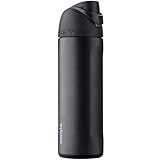
In freezing temperatures, your water can freeze. Plan for insulated water bottles to keep your drinks from turning to ice.
- Safety (wildlife, distance to help, comms): What animals are around? Know how to store food and what to do if you encounter wildlife. How far are you from help? Cell service is spotty in the backcountry. Bring a satellite communicator or let someone know your detailed itinerary and expected return time.
Step-by-step (field workflow)
When you’re out in the cold, stay on top of your game. It’s a process.
1. Assess the conditions:
- What to do: Look at the sky, feel the wind, check your thermometer.
- What “good” looks like: You have a clear understanding of the current and predicted temperature, wind chill, and precipitation.
- Common mistake: Relying on how you feel rather than actual data.
- How to avoid it: Always check a reliable weather source before and during your trip.
2. Dress in layers:
- What to do: Put on your base layer, then mid-layer, then outer shell.
- What “good” looks like: You feel comfortable, not too hot or too cold, and can adjust easily.
- Common mistake: Wearing cotton. It holds moisture and chills you.
- How to avoid it: Stick to wool or synthetics for your base and mid-layers.
When dressing in layers, a good thermal base layer is crucial for trapping warmth. Consider investing in a high-quality thermal base layer to stay comfortable.

3. Protect extremities:
- What to do: Wear a warm hat, gloves or mittens, and wool socks.
- What “good” looks like: Your head, hands, and feet feel warm and have good circulation.
- Common mistake: Not wearing a hat, or wearing gloves that are too tight.
- How to avoid it: A hat can lose a lot of heat. Mittens are generally warmer than gloves. Ensure your handwear isn’t constricting blood flow.
To protect your extremities, especially your hands, ensure you have reliable waterproof winter gloves. They’ll keep your hands dry and warm, preventing frostnip.

4. Stay dry:
- What to do: Avoid sweating excessively, and change out of wet clothes immediately.
- What “good” looks like: Your clothing layers remain dry against your skin.
- Common mistake: Pushing too hard and sweating through your layers.
- How to avoid it: Pace yourself, and vent your layers before you start to overheat.
5. Keep moving:
- What to do: Engage in light physical activity to generate body heat.
- What “good” looks like: You feel a gentle warmth spreading through your body.
- Common mistake: Standing still for long periods.
- How to avoid it: Do some jumping jacks, march in place, or simply shift your weight if you need to stop for a bit.
6. Eat and drink:
- What to do: Consume calorie-dense foods and warm, non-alcoholic beverages.
- What “good” looks like: You feel energized and your core temperature is maintained.
- Common mistake: Forgetting to eat or drink, or consuming dehydrating beverages.
- How to avoid it: Pack plenty of snacks and a thermos with hot tea or soup.
7. Monitor your body:
- What to do: Regularly check your skin, especially fingers, toes, ears, and nose, for numbness or paleness.
- What “good” looks like: You are aware of any changes in sensation or appearance on your skin.
- Common mistake: Ignoring early warning signs like tingling or a pins-and-needles sensation.
- How to avoid it: Do regular self-checks, especially if you’re feeling cold.
8. Recognize early frostnip:
- What to do: If you feel tingling or numbness, warm the affected area gently.
- What “good” looks like: The sensation returns and the skin looks normal.
- Common mistake: Pushing on despite initial discomfort.
- How to avoid it: Stop, find shelter, and use body heat or warm (not hot) water to rewarm.
9. Seek shelter if needed:
- What to do: Find a place out of the wind and cold if you’re feeling too chilled or showing signs of frostbite.
- What “good” looks like: You are in a protected environment to warm up.
- Common mistake: Trying to “tough it out” in worsening conditions.
- How to avoid it: Don’t hesitate to turn back or find a safe spot to rest and recover.
10. Treat frostbite appropriately:
- What to do: If frostbite is suspected, rewarm the area slowly with body heat or warm water. Do NOT rub.
- What “good” looks like: The affected area is rewarmed without further damage.
- Common mistake: Rubbing the frozen skin, or rewarming too quickly with hot water.
- How to avoid it: Gentle handling and gradual warming are crucial. Seek medical attention if symptoms are severe or don’t improve.
Common mistakes (and what happens if you ignore them)
| Mistake | What it causes | Fix |
|---|---|---|
| Wearing cotton clothing | Chills, hypothermia, frostbite | Switch to wool or synthetic base and mid-layers. |
| Not wearing a hat | Significant heat loss, increased risk of chills | Always wear a warm hat that covers your ears. |
| Overexertion and sweating | Wet clothing, rapid cooling when activity stops | Pace yourself, vent layers before you overheat, take breaks. |
| Constricting gear (gloves, boots) | Reduced blood flow, increased frostbite risk | Ensure all footwear and handwear are snug but not tight. |
| Ignoring early symptoms | Frostnip progressing to frostbite | Pay attention to tingling, numbness, and skin color changes. |
| Rubbing frostbitten skin | Tissue damage, increased pain | Rewarm gently with body heat or warm (not hot) water. |
| Dehydration | Reduced blood circulation, lower core temp | Drink plenty of fluids, especially warm ones. |
| Not checking wind chill | Underestimating the actual cold hazard | Always factor wind chill into your planning and gear choices. |
| Staying in one place too long | Reduced circulation, body cools down | Keep moving or do small exercises to maintain warmth. |
| Using alcohol or caffeine | Impaired judgment, increased dehydration | Stick to water and warm, non-alcoholic drinks. |
Decision rules (simple if/then)
- If the wind chill is below 0°F, then wear a balaclava or face mask because exposed skin can freeze within minutes.
- If your fingers feel numb, then stop and warm them with your body heat or in your armpit because this is an early sign of frostbite.
- If your boots feel tight after a few hours, then loosen them because they may be constricting blood flow.
- If you start to sweat heavily, then vent your layers or slow down because wet clothes will make you colder later.
- If you have any open wounds or circulation issues, then be extra cautious in cold weather because your body may be more susceptible.
- If you’re planning an overnight trip in freezing temperatures, then pack extra insulation and a way to melt snow for water because your water supply can freeze.
- If you see white or grayish-yellow patches on your skin, then seek shelter and warm the area gently because this indicates frostbite is developing.
- If you’re unsure about road conditions, then call the local ranger station before you leave because getting stuck can be dangerous.
- If you’re going backcountry, then always tell someone your exact route and expected return time because rescue can be difficult if you’re lost.
- If you have wet socks, then change them immediately if possible because wet feet lose heat much faster.
- If you feel a tingling or burning sensation on your skin, then check for early signs of frostnip and take action because it’s easier to prevent than to treat.
If you have wet socks, change them immediately if possible because wet feet lose heat much faster. Merino wool socks are excellent for wicking away moisture and providing warmth, even when damp.

FAQ
How cold does it have to be to get frostbite?
Frostbite can happen when temperatures are above freezing, especially with wind. The wind chill is the real factor. Below 0°F (-18°C) is a common threshold for increased risk, but it can occur at higher temperatures if you’re exposed for long enough or are wet.
What are the first signs of frostbite?
The earliest signs are usually tingling, numbness, or a pins-and-needles sensation. Your skin might also feel cold to the touch and look pale or grayish-yellow.
Can frostbite happen to anyone?
Anyone exposed to freezing temperatures is at risk. However, certain factors like poor circulation, dehydration, fatigue, and inadequate gear increase susceptibility.
Is frostnip the same as frostbite?
Frostnip is the mildest form, affecting only the top layer of skin. Frostbite is more severe and can damage deeper tissues. Frostnip is reversible if treated early.
How should I rewarm frostbitten skin?
Rewarm the affected area slowly with body heat or by immersing it in warm (not hot) water, around 104-108°F (40-42°C). Do NOT rub the frozen skin.
What happens if frostbite isn’t treated?
Untreated frostbite can lead to permanent tissue damage, nerve damage, increased sensitivity to cold, and in severe cases, amputation.
How can I prevent frostbite when camping?
Stay dry, wear layers of warm, insulating clothing (wool or synthetics), protect extremities with hats and gloves, stay hydrated, keep moving, and avoid alcohol and caffeine.
When should I seek medical attention for frostbite?
Seek medical help immediately if you suspect moderate to severe frostbite, if the skin is blistered, if you have lost sensation, or if rewarming doesn’t bring back feeling and normal skin color.
What this page does NOT cover (and where to go next)
- Detailed treatment protocols for severe frostbite.
- Specific gear reviews for extreme cold weather.
- Advanced wilderness survival techniques for prolonged cold exposure.
- Information on hypothermia (though closely related, it’s a separate topic).
- Local weather forecasts or conditions for specific camping areas.

Camping Bob has spent over 20 years camping across the US — from BLM dispersed sites in the Southwest to KOA campgrounds in the Pacific Northwest. He writes practical, no-nonsense guides to help fellow campers get outdoors with confidence.