
Understanding Poison Ivy: Contagious Period and Prevention
Quick answer
- Poison ivy rash isn’t directly contagious from person to person, but contact with the oil (urushiol) on surfaces or clothes can spread it.
- Urushiol can remain active on surfaces for months, even years, if not properly cleaned.
- The rash itself doesn’t spread; new blisters don’t contain urushiol.
- Prevention is key: learn to identify it, wash exposed skin ASAP, and clean your gear.
- Wear long sleeves and pants when hiking in areas where poison ivy is common.
- If you think you’ve been exposed, wash thoroughly with soap and water.
What to check first (do this before you drive out)
Before you head into the woods, especially if you’re going to be off-trail or in new territory, a little prep goes a long way. It’s not just about the campsite; it’s about the whole experience.
- Land manager / legality: Know who manages the land you’re on. Is it National Forest, BLM, a state park, or private? Each has its own rules, especially regarding foraging or specific recreational activities. A quick check of the managing agency’s website is smart.
- Access/road conditions: Is that dirt road really passable? Check recent reports if you can. A 2WD sedan might be fine for a paved park road, but a high-clearance 4×4 might be needed for a forest service track. Mud, snow, or washouts can ruin a trip before it starts.
- Fire restrictions + weather + wind: This is non-negotiable. Check fire bans before you even think about a campfire. Weather can change fast out there. High winds can make campfires dangerous and increase the risk of falling branches. Pack for the worst, hope for the best.
- Water plan + waste plan (Leave No Trace): Do you have enough potable water, or a reliable way to treat it? And what about trash? Pack it in, pack it out. This is fundamental. Plan to deal with all your waste, including human waste, properly.
- Safety (wildlife, distance to help, comms): What kind of wildlife is in the area? Be aware, but don’t be paranoid. Know how far you are from the nearest ranger station or town. Cell service is often spotty, so have a backup communication plan if you’re going deep.
Step-by-step (field workflow)
When you’re out there, especially if you’re venturing into areas where poison ivy might be lurking, a systematic approach keeps you safe and your gear clean.
1. Identify potential hazards.
- What to do: Scan your surroundings for plants that look like poison ivy, oak, or sumac. Remember “leaves of three, let it be.”
- What “good” looks like: You can spot and avoid the plants confidently.
- Common mistake: Assuming you know what it looks like. It can vary. Mistaking it for something else means you might brush right up against it. Avoid this by looking up photos before you go.
2. Plan your route to avoid contact.
- What to do: Stick to established trails where possible. If you need to go off-trail, map a path that skirts around dense vegetation.
- What “good” looks like: You’re moving through the area without touching any plants.
- Common mistake: Bushwhacking without thinking. Just pushing through dense undergrowth is a fast track to exposure. Stay aware of your footing and what’s around you.
3. Wear protective clothing.
- What to do: Don long sleeves, long pants, and closed-toe shoes. Tuck your pants into your socks.
- What “good” looks like: Your skin is fully covered by durable fabric.
- Common mistake: Wearing thin or loose clothing that doesn’t offer a real barrier. Urushiol can soak through light materials. Choose sturdy fabrics like denim or canvas.
When working in areas with poison ivy, wearing protective gardening gloves can significantly reduce your risk of exposure.

4. Handle gear carefully.
- What to do: Be mindful of where you set down packs, water bottles, or trekking poles. Avoid leaning them against plants.
- What “good” looks like: Your gear stays clean and free of plant oils.
- Common mistake: Dropping your pack or gear into a patch of poison ivy without realizing it. Then you’re bringing the oil back to your tent or car. Keep an eye on where your stuff lands.
5. Minimize touching your face and skin.
- What to do: Resist the urge to scratch, rub your eyes, or adjust your clothes without washing your hands first.
- What “good” looks like: You’re keeping urushiol from transferring to sensitive areas.
- Common mistake: An itchy nose or a quick wipe of sweat. Even a tiny bit of oil can cause a reaction. Use a clean bandana or wait until you can wash.
6. Wash exposed skin immediately (if possible).
- What to do: If you know you’ve touched something suspect, or if you’ve been in an area with a lot of it, wash the affected skin with soap and cool water as soon as you can. Use plenty of friction.
- What “good” looks like: You’ve washed away the urushiol before it binds to your skin.
- Common mistake: Waiting too long. Urushiol binds to skin within minutes. The sooner, the better.
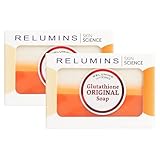
For effective removal of urushiol after exposure, consider using a specialized urushiol removal soap, which is formulated to break down the oil better than regular soap.
7. Clean contaminated clothing and gear.
- What to do: When you get home, wash all clothes, shoes, and gear that might have come into contact with poison ivy separately from other laundry. Use hot water and detergent.
- What “good” looks like: All potential sources of urushiol are decontaminated.
- Common mistake: Throwing everything in with a regular wash. Urushiol can stick to other items or contaminate your washing machine. Wash items that touched plants separately and thoroughly.
8. Wash your pets if they’ve been in contact.
- What to do: If your dog or cat has run through poison ivy, wash them too. They can carry the urushiol on their fur.
- What “good” looks like: Your pet is clean and won’t transfer oil to you or your furniture.
- Common mistake: Forgetting about pets. They’re furry little oil-spreaders. Wear gloves when washing them.
Common mistakes (and what happens if you ignore them)
| Mistake | What it causes | Fix |
|---|---|---|
| Not identifying poison ivy | Direct contact with urushiol, leading to a rash. | Learn to recognize it. “Leaves of three, let it be.” Look up variations for your region. |
| Assuming the rash is contagious | Unnecessary anxiety, avoiding people who have a rash. | Understand that the rash itself doesn’t spread; it’s the oil. Wash hands after touching fluid from blisters if you must touch them. |
| Not washing exposed skin promptly | Urushiol binds to skin, causing a more severe and widespread rash. | Wash with soap and cool water within 10-20 minutes of known or suspected contact. |
| Reusing contaminated clothing/gear | Re-exposure to urushiol, causing a delayed or recurring rash. | Wash all potentially contaminated items separately in hot water with detergent. |
| Touching your face/eyes/genitals after contact | Spreading urushiol to sensitive areas, leading to severe reactions. | Avoid touching your face. Wash hands thoroughly before any personal contact. |
| Thinking urushiol is washed off by rain | Urushiol can remain on skin and surfaces even after rain. | Wash with soap and water. Rain can spread it around, not necessarily wash it off. |
| Burning poison ivy | Inhaling smoke carrying urushiol particles, causing severe respiratory issues. | Never burn poison ivy. Dispose of it by bagging it and putting it in the trash. |
| Not washing pets | Pets can carry urushiol on their fur, transferring it to people and furniture. | Wash pets with pet shampoo and gloves. Be careful not to get urushiol in their eyes. |
| Believing urushiol washes off with just water | Water alone doesn’t break down the oil effectively. | Always use soap and water to emulsify and remove urushiol. |
| Ignoring early signs of exposure | Allowing the oil to bind to skin, making the rash worse. | If you suspect contact, wash immediately. Don’t wait to see if a rash develops. |
Decision rules (simple if/then)
- If you see a plant with three leaflets and a reddish stem, then avoid it because it’s likely poison ivy.
- If you’re hiking in summer and wearing shorts, then you’re increasing your risk of exposure to poison ivy.
- If you think you’ve brushed against a plant in the woods, then wash your skin with soap and water immediately because urushiol binds quickly.
- If you’re cleaning out your camping gear after a trip, then check sleeves and pant legs for plant debris because urushiol can linger.
- If you’re camping in an area known for poison ivy, then wear long sleeves and pants even if it’s warm because prevention is easier than treatment.
- If you’re washing clothes that might have touched poison ivy, then wash them separately on hot with detergent because you don’t want to spread the oil.
- If you’re tempted to scratch an itchy rash, then try a cool compress instead because scratching can spread the oil if blisters break.
- If your dog has been running through the woods, then wash them with gloves because they can carry urushiol on their fur.
- If you’re clearing brush around your campsite, then wear thick gloves and long sleeves because you’re likely to encounter poison ivy.
- If you get poison ivy on your face or near your eyes, then seek medical advice because these areas are sensitive and can swell significantly.
If you’re clearing brush around your campsite, wearing thick protective gardening gloves is essential to prevent direct contact with poison ivy.
FAQ
Is poison ivy contagious from person to person?
No, the rash itself isn’t contagious. You can’t catch it from someone else’s rash. The problem is the urushiol oil from the plant.
How long does the urushiol oil stay active on surfaces?
Urushiol is incredibly persistent. It can remain active on surfaces like tools, clothing, and even pet fur for months, or even years, if not properly cleaned.
Can I get poison ivy from touching a blister?
The fluid inside the blisters does not contain urushiol, so it cannot spread the rash. However, if there’s still some urushiol oil on your skin or under your fingernails when you touch the blister, you could spread it that way.
What’s the best way to wash after potential exposure?
Use plenty of soap and cool, running water. Scrub gently but thoroughly, paying attention to under your fingernails. Rinse well.
For the best results in washing off urushiol, especially after known exposure, a dedicated urushiol removal soap can be more effective than standard soap.
Does poison ivy look the same everywhere?
No. Poison ivy can grow as a vine, a shrub, or a ground cover. Its leaves can be shiny or dull, and their edges can be smooth, toothed, or lobed. “Leaves of three, let it be” is a good general rule, but variations exist.
What happens if I burn poison ivy?
Burning poison ivy releases urushiol oil into the smoke. Inhaling this smoke can cause severe irritation and inflammation in your lungs and airways, which can be very dangerous. Never burn it.
Can my clothes protect me from poison ivy?
Yes, but only if they are made of a dense material and cover your skin completely. Thin or porous fabrics might allow the urushiol oil to seep through to your skin.
Is there anything I can do to prevent a rash if I know I’ve been exposed?
Washing the affected skin with soap and water as soon as possible after exposure is the most effective way to remove the urushiol oil and prevent or minimize a rash.
What this page does NOT cover (and where to go next)
- Specific medical treatments for severe poison ivy reactions.
- Identification of all plant species that cause dermatitis.
- Detailed instructions for cleaning specific types of gear.
- Legal regulations regarding poison ivy removal on public lands.
- Home remedies or folk cures for poison ivy rashes.

Camping Bob has spent over 20 years camping across the US — from BLM dispersed sites in the Southwest to KOA campgrounds in the Pacific Northwest. He writes practical, no-nonsense guides to help fellow campers get outdoors with confidence.