
Effective Ways To Avoid Scorpion Encounters
Quick answer
- Know your scorpion: Identify the venomous ones in your area.
- Camp smart: Choose your campsite wisely, away from rock piles and debris.
- Gear check: Shake out your boots, sleeping bags, and clothes before use.
- Light it up: Use a headlamp at night to see what’s around you.
- Seal your site: Keep food sealed and trash managed to avoid attracting them.
- Stay aware: Be mindful of where you step and place your hands.
What to check first (do this before you drive out)
Before you even pack the car, do a little homework. It’s not just about finding a cool spot; it’s about staying safe.
- Land manager / legality: Who owns the land you’re heading to? Is it National Forest, BLM, a State Park, or private? Different agencies have different rules. Knowing this helps you understand camping regulations and potential hazards. Always check the official website for the specific area.
- Access/road conditions: Can your rig handle the roads? Are they paved, gravel, or just two-track? Rough roads might need higher clearance or 4WD. Check recent reports for mud, snow, or washouts. Getting stuck is no fun, and it can put you in a bad spot.
- Fire restrictions + weather + wind: This is huge. Fire bans are common, especially in dry seasons. Check current restrictions with the land manager. Also, look at the weather forecast. Extreme heat or sudden storms can make camping miserable and dangerous. High winds can be a real pain, especially with tents.
- Water plan + waste plan (Leave No Trace): Do you have enough water? Is there a reliable source? Plan for filtering or treating if needed. And what about waste? Pack it in, pack it out. This includes all trash, food scraps, and human waste if no facilities are available. Leave No Trace principles are key.
- Safety (wildlife, distance to help, comms): What kind of critters are in the area? Scorpions are one, but bears, snakes, or mountain lions might be too. Know what to do if you encounter them. How far is the nearest ranger station or town? What’s your cell service like? Consider a satellite messenger for remote areas.
Step-by-step (field workflow)
When you arrive, setting up camp is more than just pitching a tent. It’s about making a safe zone.
1. Scout your spot: Look for a relatively clear area. Avoid dense brush, rock piles, fallen logs, or areas with lots of leaf litter.
- Good: A patch of relatively flat, open ground.
- Mistake: Setting up right next to a huge pile of rocks. Scorpions love to hide there.
2. Clear the immediate area: Once you’ve picked your spot, do a quick sweep around your tent and kitchen area. Remove any loose rocks, sticks, or debris.
- Good: A clean perimeter around your tent pad.
- Mistake: Leaving a bunch of loose wood or debris right by your tent flap.
3. Set up your tent: Make sure the tent is fully zipped up, especially the main door and any windows with screens.
- Good: A taut tent with all zippers closed.
- Mistake: Leaving the tent door open while you go fetch gear.
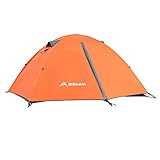
When setting up your camp, a reliable lightweight backpacking tent with fully zippable doors and windows is crucial for keeping scorpions out. Ensure all zippers are closed to create a secure barrier.
4. Store food properly: Keep all food, even snacks, in sealed containers or bags. Store them in your vehicle or a bear-proof container if required.
- Good: All food items are inside sealed bins in the car.
- Mistake: Leaving an open bag of chips on the picnic table overnight.
5. Manage trash: Double-bag all trash and seal it tightly. Keep it with your food in your vehicle or designated receptacle.
- Good: Trash bag is tied shut and stored in a cooler or the car.
- Mistake: Leaving the trash bag sitting out, attracting all sorts of critters.
6. Shake out gear: Before you use sleeping bags, pillows, or even sit on camp chairs, give them a good shake.
- Good: A vigorous shake sends any hidden guests flying.
- Mistake: Just unrolling your sleeping bag without checking it.
Before settling in for the night, always give your sleeping bag a thorough shake. A good quality sleeping bag is essential for comfort, but remember to check it for any unwanted guests before use.

7. Inspect footwear: Always check your boots, shoes, and sandals before putting them on. Scorpions can crawl inside.
- Good: Turning your boot upside down and giving it a tap.
- Mistake: Slipping on your hiking boots in the dark without looking.
8. Use a headlamp at night: When moving around camp after dark, always wear a headlamp or carry a flashlight. Scan the ground and your surroundings.
- Good: Your light beam sweeps across the ground ahead of you.
- Mistake: Fumbling for your phone light while trying to walk.
9. Be mindful of surfaces: When sitting down, cooking, or setting up, be aware of what you’re touching. Check rock surfaces or logs before leaning on them.
- Good: Visually scanning a rock before you sit on it.
- Mistake: Plopping down on a dark, flat rock without a glance.
10. Secure camp chairs: If you’re not using them, fold them up or turn them over. Scorpions can hide in the folds.
- Good: Camp chairs are folded or stored away.
- Mistake: Leaving camp chairs open and unattended all night.
Common mistakes (and what happens if you ignore them)
| Mistake | What it causes | Fix |
|---|---|---|
| Ignoring local scorpion species | Misidentifying a threat, unnecessary panic | Research common scorpions in the region before you go. |
| Camping near rock piles/debris | Providing perfect scorpion habitat | Choose open, clear areas for your campsite. |
| Not shaking out gear | Unpleasant surprise in sleeping bag or boots | Always give sleeping bags, shoes, and clothes a good shake. |
| Leaving tent unzipped | Easy access for scorpions and other critters | Keep all zippers closed, especially at night. |
| Leaving food/trash exposed | Attracting scorpions and other pests to camp | Store food and trash in sealed containers, preferably in a vehicle. |
| Walking barefoot at night | Direct contact with potential hazards | Always wear shoes or sandals when outside your tent after dark. |
| Not using a light source at night | Missing scorpions on the ground or trails | Use a headlamp or flashlight when moving around camp after sunset. |
| Storing firewood inside the tent | Bringing hidden guests into your sleeping space | Keep firewood outside and away from your tent. |
| Not checking under logs/rocks before sitting | Accidental contact with a hidden scorpion | Scan surfaces before sitting or placing hands on them. |
| Overlooking common hiding spots | Scorpions can be in unexpected places | Be aware of shaded, cool areas like under tarps or equipment. |
Decision rules (simple if/then)
- If the area is known for venomous scorpions, then be extra vigilant with gear checks and campsite selection because higher risk demands more caution.
- If you’re camping during warmer months, then assume scorpions are more active because heat often drives their behavior.
- If you see a scorpion, then don’t panic, but do keep your distance and identify it if possible because some are more dangerous than others.
- If you’re in a known scorpion habitat, then always wear shoes or sturdy sandals when walking outside your tent, even for a moment, because they can be fast and well-camouflaged.
- If you are setting up camp near dusk, then prioritize clearing the ground and checking your tent before it gets dark because visibility is key.
- If you have children or pets, then supervise them closely and enforce strict rules about not touching anything on the ground because they are more vulnerable.
- If you find a scorpion in your tent, then calmly try to coax it out with a long object or capture it in a container to release it away from camp because direct handling is risky.
- If you are prone to allergic reactions or are concerned about venom, then carry an antihistamine and know the location of the nearest medical facility because preparedness is crucial.
- If you’re packing up camp, then do a final sweep of your tent and sleeping area, and shake out all clothing and gear because you don’t want to transport any stowaways home.
- If you’re camping in a desert environment, then be extra aware of shaded areas and rock crevices because these are prime scorpion real estate.
FAQ
What’s the most dangerous scorpion in the US?
The bark scorpion, particularly the Arizona bark scorpion, is considered the most venomous in North America. Its sting can cause significant pain and neurological symptoms.
Are scorpions only active at night?
While many species are nocturnal and hunt at night, some can be active during the day, especially in cooler weather or when seeking shelter. Always be aware.
How can I tell if a scorpion is venomous?
It’s tough for the untrained eye. Colors can vary, and size isn’t always an indicator. It’s best to assume any scorpion you encounter could be venomous and maintain distance.
What should I do if I get stung by a scorpion?
Clean the wound, apply a cool compress, and take an over-the-counter pain reliever. If you experience severe symptoms like muscle twitching, difficulty breathing, or nausea, seek immediate medical attention.
Do scorpions burrow into sleeping bags?
Yes, they can. They seek dark, protected spaces. That’s why shaking out your sleeping bag before use is critical.
Scorpions can indeed seek shelter in dark, protected spaces like sleeping bags. Always shake out your sleeping bag before use to avoid any surprises.
Are scorpions attracted to campfires?
Not directly to the fire itself, but the heat can drive them to seek cooler spots nearby, and insects attracted to the light might draw them closer.
What’s the best way to keep scorpions out of my tent?
Keep your tent zippers closed at all times, especially at night. Ensure there are no holes or tears in the tent fabric or screens.
Can I use bug spray to repel scorpions?
Most common insect repellents are not effective against scorpions. Some specialized repellents might work, but prevention and careful campsite selection are more reliable.
What this page does NOT cover (and where to go next)
- Detailed identification guides for every scorpion species by state. (Next: Research specific species in your travel region.)
- Specific medical treatment protocols for scorpion stings. (Next: Consult reliable medical resources or local health authorities.)
- Reviews of specific scorpion-repellent products. (Next: Look for reviews and scientific efficacy studies if you choose to use repellents.)
- Legal regulations regarding scorpions or wildlife encounters. (Next: Check with the relevant land management agency for local rules.)
- Advanced wilderness survival techniques for scorpion-infested areas. (Next: Seek out specialized courses or literature on desert survival.)

Camping Bob has spent over 20 years camping across the US — from BLM dispersed sites in the Southwest to KOA campgrounds in the Pacific Northwest. He writes practical, no-nonsense guides to help fellow campers get outdoors with confidence.