
Tying Tent Guy Ropes Correctly for Maximum Stability
Quick answer
- Always use guy lines. They’re not optional.
- Anchor points matter. Get them solid.
- Tension is key. Not too tight, not too loose.
- Angle them right. About 45 degrees from the tent.
- Use a good knot. Something that won’t slip.
- Check them often. Wind can loosen things up.
What to check first (do this before you drive out)
Before you even load the rig, get this squared away. It saves a ton of hassle.
- Land manager / legality
Who owns this patch of dirt? Is it US Forest Service, BLM, a state park, or private? Each has its own rules. A quick look at their website or a call can save you a ticket or a stern talking-to. I once camped on what I thought was public land, only to find out it was a private ranch. Oops.
- Access/road conditions
Can your rig actually get there? That “road” on the map might be a mud pit or a boulder garden. Know your vehicle’s limits – 2WD, AWD, high clearance. Don’t be the guy who needs a tow truck.
- Fire restrictions + weather + wind
This is huge. Check fire bans. Seriously. A dry forest is no joke. Look up the forecast, especially wind. A little breeze is one thing; a gale is another. That’s where good guy rope work really shines.
- Water plan + waste plan (Leave No Trace)
Where are you getting water? Is there a source, or are you packing it all in? And what about waste? Pack it in, pack it out. Always. This is fundamental camping.
- Safety (wildlife, distance to help, comms)
What critters are around? Bears? Snakes? Be aware. How far is the nearest ranger station or town? Do you have cell service? A satellite messenger is smart for remote spots.
Step-by-step (field workflow)
Alright, you’re at the site. Tent’s up. Now for the real work.
1. Stake down the tent body.
- What to do: Insert stakes firmly into the ground at each tent corner and any other attachment points.
- What “good” looks like: The tent fabric is taut and the shape is clean. No sagging.
- Common mistake: Just pushing stakes in lightly. They’ll pop out with the first gust of wind. Jam them in deep, at an angle away from the tent.
2. Locate guy rope attachment points on the tent.
- What to do: Find the loops or grommets on the tent fly or body designed for guy lines.
- What “good” looks like: You can easily see and access all the points.
- Common mistake: Not realizing your tent has more attachment points than you initially see. They’re often on the seams or reinforcement patches.
3. Attach guy ropes to the tent.
- What to do: Use a simple knot like a bowline or a clove hitch to secure one end of the guy rope to the tent attachment point.
- What “good” looks like: The knot is secure and won’t slip, but you can untie it later.
- Common mistake: Using a knot that’s too complex or one that cinches down so tight it’s impossible to undo. Keep it simple.
4. Extend guy ropes outwards from the tent.
- What to do: Pull the loose end of the guy rope away from the tent body.
- What “good” looks like: The rope is running in a direction that will create tension on the tent fly, not pull it sideways.
- Common mistake: Running the rope directly away from the tent, which doesn’t offer much stability. Angle it.
5. Identify a solid anchor point.
- What to do: Look for a sturdy tree, a large rock, a strong bush, or use a dedicated tent stake hammered deep into firm ground.
- What “good” looks like: The anchor point won’t budge or pull out when you apply tension.
- Common mistake: Anchoring to a small twig or a loose pile of rocks. It’s asking for trouble.
6. Secure the guy rope to the anchor point.
- What to do: Use a reliable knot that allows for adjustment. A taut-line hitch is a classic for a reason.
- What “good” looks like: The rope is held firmly but can be easily loosened or tightened.
- Common mistake: Tying a permanent knot that you can’t adjust later. You will need to adjust it.
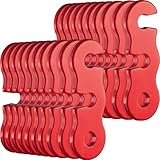
For securing your guy ropes, consider using reliable guy line tensioners. These can make adjusting tension much easier than traditional knots.
7. Introduce tension to the guy rope.
- What to do: Pull the rope until the tent fly is taut, but not so much that it distorts the tent shape or pulls stakes out.
- What “good” looks like: The tent fly is smooth and firm, resisting wind.
- Common mistake: Over-tightening. This puts unnecessary stress on the tent seams and can lead to tears. It also makes the tent harder to pitch correctly.
8. Adjust the tension for optimal stability.
- What to do: Fine-tune the knot to get the right amount of tension. Check all guy lines.
- What “good” looks like: All guy lines are firm, the tent is stable, and it looks like it’s meant to.
- Common mistake: Leaving some lines loose while others are tight. This creates uneven stress and reduces overall stability.
9. Repeat for all guy points.
- What to do: Go through steps 2-8 for every guy rope on your tent.
- What “good” looks like: Your tent looks like a drum, ready to withstand some weather.
- Common mistake: Only using the essential guy lines and skipping others. More lines mean more stability.
10. Check and re-tension as needed.
- What to do: Periodically check your guy lines, especially if the wind picks up or after rain.
- What “good” looks like: You catch slack lines before they become a problem.
- Common mistake: Setting it and forgetting it. Tent fabric can stretch, and stakes can loosen.
Common mistakes (and what happens if you ignore them)
| Mistake | What it causes | Fix |
|---|---|---|
| Not using guy ropes at all | Tent collapses in wind, leaks, or tears. | Always deploy and tension all available guy ropes. |
| Using weak or loose anchor points | Guy ropes pull out, tent is no longer stable, potential damage to tent or gear. | Use solid trees, rocks, or deep-driven stakes. Test your anchors before fully tensioning. |
| Over-tightening guy ropes | Strains tent seams, can rip fabric, makes pitching difficult. | Tension until the fabric is taut and smooth, not until it’s visibly stretched or distorted. |
| Under-tightening guy ropes | Tent flaps in the wind, less stable, can still flap and annoy you all night. | Ensure all lines are firm enough to resist wind. A taut-line hitch is your friend. |
| Anchoring guy ropes at the wrong angle | Less effective stability, can pull stakes out at an awkward angle. | Angle guy ropes away from the tent, roughly 45 degrees from the tent wall, towards the anchor. |
| Using slippery knots | Guy ropes loosen over time, especially in wind or with fabric stretch. | Use reliable knots like the taut-line hitch or a bowline for attachments. |
| Not staking down the tent body first | Tent shifts or blows away before you even get to the guy lines. | Stake out the tent body securely before attaching and tensioning guy ropes. |
| Ignoring wind or weather forecasts | Getting caught unprepared with a tent that can’t handle the conditions. | Always check the forecast and adjust your setup and expectations accordingly. |
| Not checking guy ropes periodically | Slack lines in changing conditions lead to reduced stability and potential damage. | Do a quick check every few hours, especially if wind is present or changing. |
| Using guy ropes only on one side | Uneven stress on the tent structure, leading to poor performance. | Deploy and tension guy ropes symmetrically on all sides of the tent. |
If you find yourself constantly battling with knots that slip or are hard to adjust, investing in quality guy line tensioners can be a game-changer for maintaining optimal tension.
Decision rules (simple if/then)
- If the wind is moderate to strong, then tension your guy ropes firmly because this is when they do their most important work.
- If the ground is soft or sandy, then use wider tent stakes or bury them deeper because they’ll be more prone to pulling out.
- If you’re camping in a known windy area, then consider bringing extra stakes and cordage because you might need redundancy.
- If you see your tent fly flapping violently, then check and re-tension your guy lines immediately because it’s losing stability.
- If you’re using a small, lightweight tent, then be extra careful not to over-tension because the fabric and seams are less robust.
- If you’re in a multi-day storm, then check your guy lines at least twice a day because fabric can stretch and stakes can loosen.
- If your tent has multiple guy points on a single pole, then use them all because they distribute stress better.
- If you’re unsure about a knot, then practice it at home before your trip because you don’t want to be fumbling in the dark.
- If you’re camping above treeline, then you’ll likely rely on rocks or specialized stakes, so make sure your anchors are bombproof.
- If you’re in a situation where you can’t stake directly, then use trees or large rocks as anchor points and secure your guy lines to them.
- If it rained overnight and the ground is saturated, then check your stakes and guy tension again because the ground will be softer.
FAQ
Q: Do I really need to use guy ropes if it’s not windy?
A: Yes. Guy ropes provide stability even in light breezes, help maintain the tent’s shape for better ventilation, and keep the fly from touching the inner tent, which prevents condensation issues.
Q: What’s the best knot for tying guy ropes?
A: The taut-line hitch is a favorite because it allows for easy tension adjustment. A bowline is good for attaching to the tent, and a clove hitch can work for securing to stakes or trees if you can’t use a hitch.
While a taut-line hitch is excellent, many campers find that dedicated guy line tensioners offer even quicker and more precise adjustments, especially in challenging conditions.
Q: How far away from the tent should I anchor my guy ropes?
A: Aim for an angle of about 45 degrees from the tent wall. This provides the best leverage for stability. The exact distance depends on the tent design and where you can find a solid anchor.
Q: What happens if I over-tighten my guy ropes?
A: Over-tightening puts excessive stress on your tent’s seams and fabric, potentially leading to tears or damage. It can also make the tent harder to pitch correctly.
Q: My stakes keep pulling out. What can I do?
A: Make sure you’re driving them in at an angle away from the tent. If the ground is soft, try using wider stakes, burying them deeper, or using a rock to help secure them.
Q: Can I tie my guy ropes directly to tent poles?
A: Generally, no. Tent poles are designed to hold the tent’s structure, not to bear the lateral stress from guy ropes. Use the designated loops on the tent fly or body.
Q: How do I know if my guy ropes are tensioned correctly?
A: The tent fly should be taut and smooth, with no sagging. It should resist gentle pushes and not flap excessively in the wind.
Q: What if I don’t have enough guy ropes or attachment points?
A: Some tents are simpler than others. For those with fewer points, focus on the main structural lines. For added stability on any tent, you can sometimes create anchor points with extra cordage around seams or pole sleeves if done carefully.
What this page does NOT cover (and where to go next)
- Specific tent repair techniques for rips or tears. (Look for tent repair guides).
- Advanced backcountry navigation or survival skills. (Consider a wilderness skills course).
- Detailed campsite reservation systems or permit requirements. (Check the specific land manager’s website).
- Choosing the right tent for specific types of camping (e.g., mountaineering vs. car camping). (Research tent reviews and types).
- Bear safety protocols or wildlife encounter procedures. (Consult park service guidelines for your area).

Camping Bob has spent over 20 years camping across the US — from BLM dispersed sites in the Southwest to KOA campgrounds in the Pacific Northwest. He writes practical, no-nonsense guides to help fellow campers get outdoors with confidence.